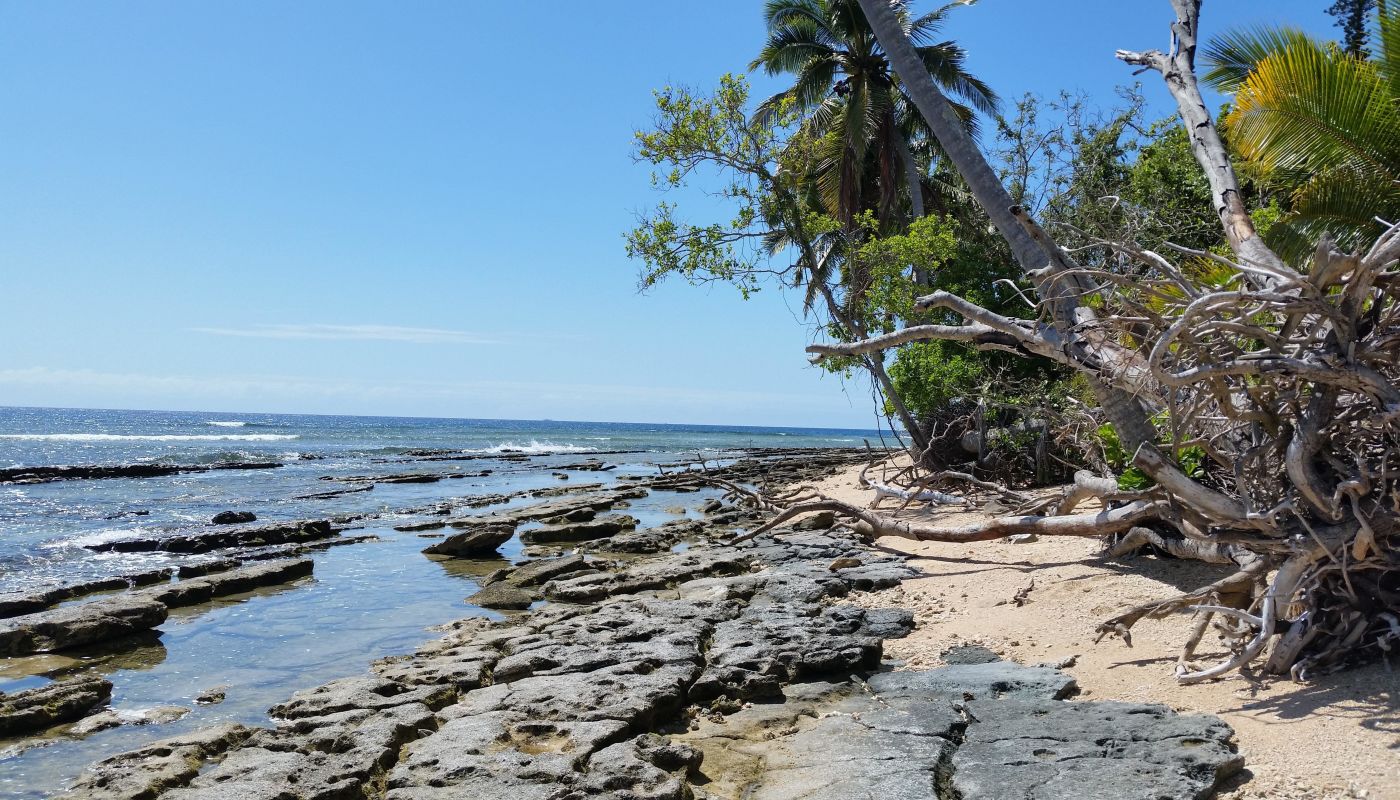
Landscape of Wallis-Et-Futuna
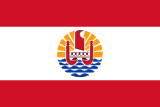
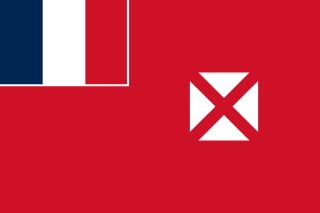
Flag of Wallis-Et-Futuna

Wallis-Et-Futuna

Australia/Oceania

Wallis-et-Futuna has a population of approximately 12,000 people. The island has faced challenges related to its remote location and limited economic opportunities. The French government has taken steps to support economic development on the island, including investments in tourism and renewable energy.

What would you like to learn about in Wallis-Et-Futuna?

Select a section to explore the country where nonprofits are creating positive change.

About Wallis-Et-Futuna

Wallis-et-Futuna has a population of approximately 12,000 people. The island has faced challenges related to its remote location and limited economic opportunities. The French government has taken steps to support economic development on the island, including investments in tourism and renewable energy.

Causes in Wallis-Et-Futuna

Environment

Wallis and Futuna, a French overseas collectivity in the South Pacific, faces significant environmental challenges due to its remote location, vulnerability to natural disasters, and limited resources. The islands' delicate ecosystems are threatened by climate change, deforestation, and pollution. Rising sea levels endanger coastal communities, while extreme weather events such as cyclones pose a constant risk to the islands' infrastructure and livelihoods. Deforestation for agriculture and urban development further exacerbates soil erosion and loss of biodiversity. Additionally, inadequate waste management contributes to pollution on the islands, affecting marine life and public health. Urgent action is needed to address these environmental issues and safeguard the well-being of Wallis and Futuna's residents.

Family

Wallis and Futuna is a French overseas collectivity located in the South Pacific. Family plays a significant role in the social fabric of Wallis and Futuna, with a strong emphasis on kinship ties and traditional family structures. The concept of family extends beyond nuclear relatives to include extended family members, creating a tight-knit community where individuals rely on each other for support and solidarity. Family gatherings and ceremonies are important events that strengthen these familial bonds and reinforce cultural traditions. In Wallis and Futuna, the family unit serves as the cornerstone of society, providing a sense of belonging, identity, and security for its members.

Human Rights

Wallis and Futuna, a French overseas collectivity in the South Pacific, faces human rights challenges that impact its residents. With a population of around 11,000 people, this tiny territory struggles with issues such as limited access to education and healthcare, gender inequality, and restrictions on freedom of expression. The lack of adequate resources and infrastructure contributes to these challenges, affecting the well-being of the population. Efforts to address these human rights concerns are ongoing, but more support and attention are needed to ensure that all residents of Wallis and Futuna can enjoy their fundamental rights and live with dignity.

Education

Wallis and Futuna, a French overseas collectivity in the South Pacific, faces unique challenges in the realm of education that have significant impacts on its society. With a population of roughly 11,000 people spread across three main islands, access to quality education is limited due to its remote location and economic constraints. The educational system in Wallis and Futuna is primarily based on the French model, emphasizing academic achievement and French language proficiency. However, issues such as high dropout rates, teacher shortages, and inadequate infrastructure hinder the effectiveness of education in the region. These challenges contribute to limited opportunities for the local population, perpetuating cycles of poverty and social inequality. Improving educational outcomes in Wallis and Futuna is crucial for fostering socio-economic development and empowering its residents to build a sustainable future.

Poverty

Wallis and Futuna, a French overseas collectivity in the South Pacific, faces significant challenges related to poverty. The islands have a small population of around 11,000 people, and their economy is heavily reliant on French financial assistance and remittances from expatriates. Poverty rates in Wallis and Futuna are relatively high compared to metropolitan France, with limited job opportunities and high living costs exacerbating the situation. The lack of economic diversification, coupled with geographic isolation and limited resources, contributes to the ongoing struggle against poverty on the islands.

Religion

Wallis and Futuna, a French overseas collectivity located in the South Pacific, have a predominantly Christian population with Catholicism being the dominant religion. Religion plays a significant role in the lives of the people of Wallis and Futuna, influencing their cultural practices, social norms, and community cohesion. The church serves as a central institution where religious ceremonies, traditions, and values are preserved and passed down through generations. Many aspects of daily life in Wallis and Futuna are intertwined with religious beliefs, shaping moral codes, family structures, and societal norms. The strong influence of religion in the territory underscores its importance as a cornerstone of identity and community connection for the residents.

Clean Water

Wallis and Futuna, a French overseas territory located in the South Pacific Ocean, faces significant challenges when it comes to access to clean water. With limited natural freshwater resources and a reliance on rainwater catchment systems, the population of around 11,000 inhabitants often struggles to obtain safe and clean drinking water. Contaminated water sources can lead to waterborne diseases such as cholera and typhoid fever, posing serious health risks to the community. Inadequate sanitation infrastructure further compounds the issue, contributing to water pollution and jeopardizing public health. Addressing the issue of clean water access in Wallis and Futuna is crucial for safeguarding the well-being of its residents and promoting sustainable development in the region.

Economy

Wallis and Futuna, a French overseas collectivity located in the South Pacific, faces significant economic challenges that impact its population of around 11,000 people. The economy of Wallis and Futuna is heavily reliant on financial assistance from France, fishing, agriculture, and remittances from expatriates. Limited arable land and natural resources hinder economic growth, leading to high unemployment rates and a dependence on imports for basic necessities. The lack of diversified industries and infrastructure development further exacerbates the economic struggles of this small territory. These economic constraints contribute to social issues such as poverty, limited access to healthcare, and inadequate educational opportunities, affecting the overall well-being of the population.

Government

Wallis and Futuna is a French overseas collectivity located in the South Pacific Ocean. The government of Wallis and Futuna plays a significant role in shaping the lives of its inhabitants. As a French collectivity, Wallis and Futuna operates under a system where the French government oversees matters such as defense, foreign affairs, and currency, while the local government handles internal affairs. The government provides essential services such as healthcare, education, and infrastructure development. However, challenges such as limited resources, geographic isolation, and a small population can impact the effectiveness of governance in the territory. The government's decisions on policies related to economic development, environmental protection, and social welfare have a direct impact on the well-being of the people of Wallis and Futuna.

Health

Wallis and Futuna, a French overseas territory in the South Pacific, faces unique health challenges due to its remote location and limited access to healthcare resources. The islands have a small population of around 11,000 people, which can make it difficult to sustain comprehensive healthcare services. Health issues such as obesity, diabetes, and cardiovascular diseases are prevalent in the region, exacerbated by factors like limited availability of fresh produce and high rates of smoking. Additionally, the islands' isolation can hinder timely access to specialized medical care, leading to delays in diagnosis and treatment. Improving health infrastructure, promoting healthy lifestyles, and increasing access to healthcare services are crucial steps towards addressing these health challenges in Wallis and Futuna.

Children

In the French overseas collectivity of Wallis and Futuna, children face several challenges that impact their well-being and development. Limited access to quality education and healthcare services, as well as high rates of poverty, malnutrition, and domestic violence, contribute to a concerning situation for the children in this territory. The lack of adequate infrastructure and resources further exacerbates these issues, hindering children's opportunities for growth and success. Furthermore, cultural norms and traditions in Wallis and Futuna can sometimes perpetuate harmful practices that affect children's rights and welfare. It is crucial to recognize these challenges and work towards creating a supportive environment that prioritizes the well-being and future of the children in Wallis and Futuna.

Animals

Wallis and Futuna, a French overseas territory in the South Pacific, face various environmental challenges that impact its unique fauna. The islands' delicate ecosystem is vulnerable to habitat loss, invasive species, and climate change, affecting the native animal species. The introduction of non-native predators like rats and cats threatens the existence of indigenous bird species such as the White Tern and the Polynesian Megapode. Additionally, rising sea levels due to climate change endanger marine life and coral reefs surrounding the islands. Conservation efforts are essential to protect the biodiversity of Wallis and Futuna and ensure the survival of its distinct fauna for future generations.

Make Your Impact Today

Discover causes you care about and support the nonprofits making a difference in communities around the world.

Are you a nonprofit? Join Project World Impact for free

Join Us Free