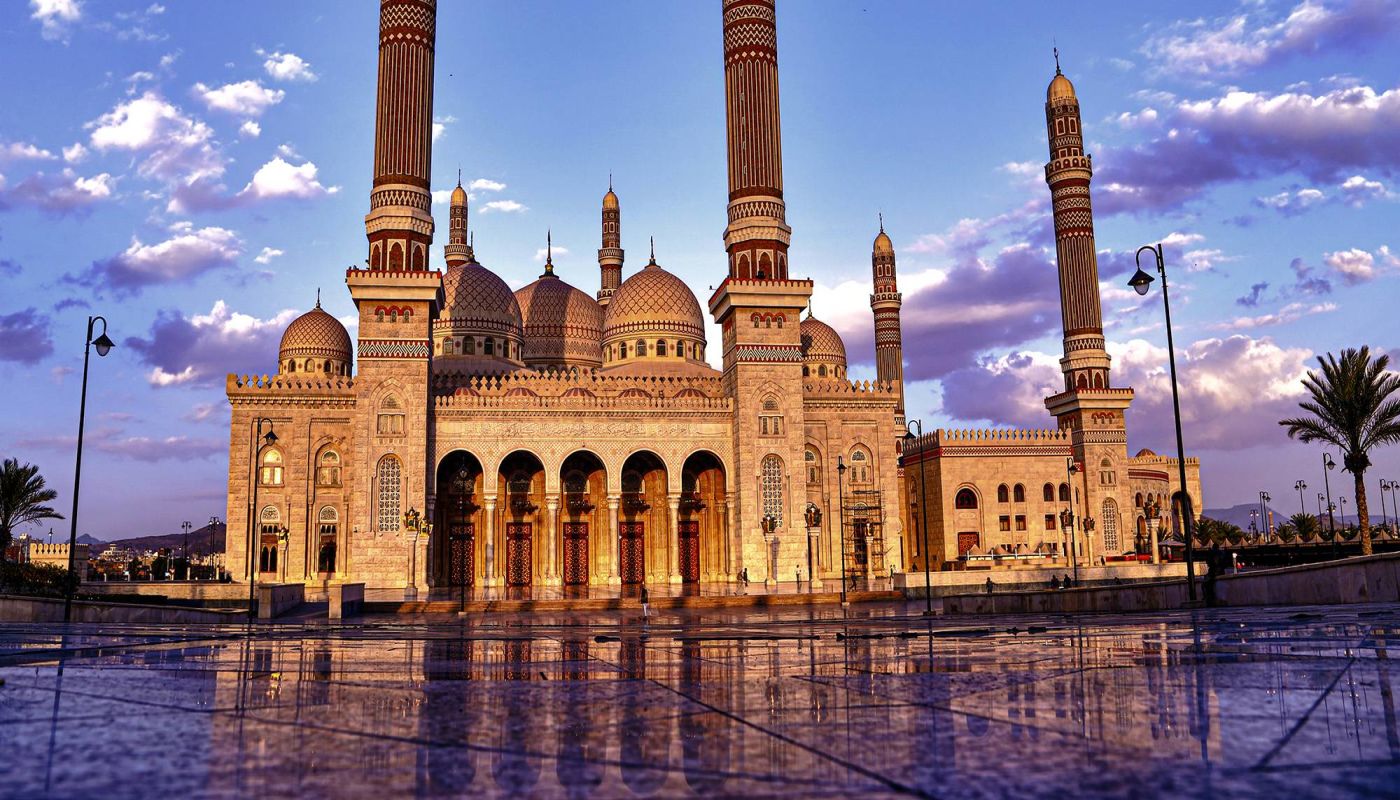
Landscape of Yemen
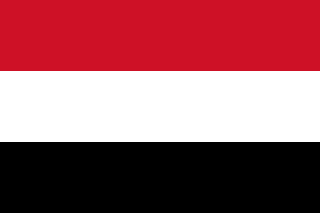
Flag of Yemen

Yemen

Asia

Yemen is a country located in the Middle East, known for its rich cultural heritage, diverse landscapes, and ongoing conflict. With a population of over 30 million people, Yemen is a developing country that has faced significant challenges in recent years, including a civil war that has resulted in widespread violence, displacement, and humanitarian crises. The country's economy is based on oil exports, but it has been severely impacted by the conflict, poverty, and food insecurity. Yemen faces challenges related to political instability, terrorism, and the effects of climate change and takes steps for improving these areas.

What would you like to learn about in Yemen?

Select a section to explore the country where nonprofits are creating positive change.

About Yemen

North Yemen became independent of the Ottoman Empire in 1918. The British, who had set up a protectorate area around the southern port of Aden in the 19th century, withdrew in 1967 from what became South Yemen. Three years later, the southern government adopted a Marxist orientation. The massive exodus of hundreds of thousands of Yemenis from the south to the north contributed to two decades of hostility between the states. The two countries were formally unified as the Republic of Yemen in 1990. A southern secessionist movement and brief civil war in 1994 was quickly subdued. In 2000, Saudi Arabia and Yemen agreed to a delimitation of their border. Fighting in the northwest between the government and Huthi rebels, a group seeking a return to traditional Zaydi Islam, began in 2004 and has since resulted in six rounds of fighting - the last ended in early 2010 with a cease-fire that continues to hold. The southern secessionist movement was revitalized in 2008 when a popular socioeconomic protest movement initiated the prior year took on political goals including secession. Public rallies in Sana'a against then President SALIH - inspired by similar demonstrations in Tunisia and Egypt - slowly built momentum starting in late January 2011 fueled by complaints over high unemployment, poor economic conditions, and corruption. By the following month, some protests had resulted in violence, and the demonstrations had spread to other major cities. By March the opposition had hardened its demands and was unifying behind calls for SALIH's immediate ouster. The Gulf Cooperation Council (GCC) in late April 2011, in an attempt to mediate the crisis in Yemen, proposed an agreement in which the president would step down in exchange for immunity from prosecution. SALIH's refusal to sign an agreement led to heavy street fighting and his injury in an explosion in June 2011. The UN Security Council passed Resolution 2014 in October 2011 calling on both sides to end the violence and complete a power transfer deal. In late November 2011, SALIH signed the GCC-brokered agreement to step down and to transfer some of his powers to Vice President Abd Rabuh Mansur HADI. Following elections in February 2012, won by HADI, SALIH formally transferred his powers. In accordance with the GCC initiative, Yemen launched a National Dialogue to discuss key constitutional, political, and social issues in mid-March 2013.

Quick Facts

Population
25,408,288 (July 2013 est.)
Area
527,968 sq km
ISO Code
YE
Continent
Asia
Government
republic
Active Causes
12
View all countries in Asia

Geography & Environment

Climate

mostly desert; hot and humid along west coast; temperate in western mountains affected by seasonal monsoon; extraordinarily hot, dry, harsh desert in east

Terrain

narrow coastal plain backed by flat-topped hills and rugged mountains; dissected upland desert plains in center slope into the desert interior of the Arabian Peninsula

Natural Resources

petroleum, fish, rock salt, marble; small deposits of coal, gold, lead, nickel, and copper; fertile soil in west

Environmental Issues

limited natural freshwater resources; inadequate supplies of potable water; overgrazing; soil erosion; desertification

People & Society

64.47 years
Avg. Life Expectancy
65.3%
Literacy Rate
32.3% of total population (2011)
Total Urban Population

Languages

Arabic (official)

Religions

Muslim (Islam - official) including Shaf'i (Sunni) and Zaydi (Shia), small numbers of Jewish, Christian, and Hindu

Health Expenditure

5.2% of GDP (2010) of GDP

Education Expenditure

5.2% of GDP (2008) of GDP

Economy

$2,300
GDP per Capita (PPP)
35%
Unemployment Rate
45.2% (2003)
Below Poverty Line

Economic Overview

Yemen is a low income country that is highly dependent on declining oil resources for revenue. Petroleum accounts for roughly 25% of GDP and 70% of government revenue. Yemen has tried to counter the effects of its declining oil resources by diversifying its economy through an economic reform program initiated in 2006 that is designed to bolster non-oil sectors of the economy and foreign investment. In October 2009, Yemen exported its first liquefied natural gas as part of this diversification effort. In January 2010, the international community established the Friends of Yemen group that aims...

Causes in Yemen

Environment

Yemen, a country located in the Middle East, is facing severe environmental challenges that significantly impact its population and overall well-being. One of the key environmental issues affecting Yemen is water scarcity. With limited access to clean water sources and inefficient water management practices, many Yemenis struggle to meet their basic water needs for drinking, sanitation, and agriculture. This scarcity is exacerbated by the country's arid climate and irregular rainfall patterns, leading to droughts and desertification in many regions. Additionally, deforestation, soil erosion, and pollution further degrade Yemen's natural environment, posing risks to public health and exacerbating food insecurity. Addressing these environmental challenges is crucial for the sustainable development and resilience of Yemen and its people.

Family

In Yemen, family plays a significant role in shaping the social fabric and daily life of its people. The concept of family extends beyond the nuclear unit to include extended family members, often living in close proximity and forming tight-knit communities. Families in Yemen are typically patriarchal, with male members holding authority and responsibility over decision-making processes. The familial structure provides emotional support, financial security, and a sense of belonging for individuals in a society where communal ties are highly valued. However, the ongoing conflict in Yemen has severely strained familial relationships, leading to displacement, loss of loved ones, and economic hardships for many families across the country. As a result, the traditional roles and dynamics within families have been disrupted, impacting the overall well-being and resilience of the Yemeni population.

Human Rights

Yemen, a country located in the Middle East, has been engulfed in a devastating humanitarian crisis that has severely impacted its population. The ongoing conflict in Yemen has led to widespread human rights violations, including indiscriminate bombings, blockades preventing access to essential goods and services, and the recruitment of child soldiers. As a result, millions of Yemenis are facing severe food insecurity, lack of access to healthcare, displacement, and loss of life. The violation of human rights in Yemen has not only caused immense suffering for its people but has also hindered efforts to achieve stability and peace in the region. It is imperative for the international community to address the human rights crisis in Yemen and work towards a sustainable solution that respects the rights and dignity of all Yemeni individuals.

Education

Yemen, a country located in the Middle East, has been grappling with a severe humanitarian crisis exacerbated by ongoing conflict, poverty, and lack of infrastructure. Education in Yemen has been significantly impacted by these challenges, with millions of children out of school due to the destruction of educational facilities, lack of resources, and displacement of families. This crisis not only deprives children of their right to education but also hinders the country's long-term development and stability. Access to quality education is crucial for empowering individuals, reducing poverty, and fostering peace in conflict-affected regions like Yemen. Efforts to support education in Yemen are crucial to rebuilding the nation's future and promoting sustainable development.

Poverty

Yemen, a country located in the Middle East, has been grappling with severe poverty, which has had a profound impact on its population. With an ongoing civil war, economic instability, and limited access to basic resources such as clean water and healthcare, poverty in Yemen has reached alarming levels. According to the World Bank, more than 80% of Yemen's population is in need of humanitarian assistance, making it one of the poorest countries in the region. The lack of adequate infrastructure and social services further exacerbates the situation, leaving many Yemenis vulnerable to malnutrition, disease, and displacement. Addressing poverty in Yemen is crucial not only for the well-being of its citizens but also for fostering stability and resilience in the region.

Religion

Religion plays a significant role in Yemen, where the majority of the population practices Islam, specifically Sunni Islam. The country's social structure, legal system, and cultural traditions are deeply intertwined with Islamic beliefs and practices. The influence of religion is particularly evident in family life, as Islamic principles guide marriage, inheritance, and other aspects of personal relationships. Additionally, religious leaders hold considerable sway in shaping public opinion and influencing political decisions. In recent years, the ongoing conflict in Yemen has exacerbated sectarian tensions between Sunni and Shia Muslims, leading to further divisions within society. Understanding the complex interplay between religion and daily life is crucial for comprehending the challenges facing Yemen and for fostering tolerance and peace in the region.

Clean Water

Yemen, a country located in the Middle East, is currently facing one of the most severe humanitarian crises in the world. With ongoing conflicts and political instability, access to clean water has become a critical issue for the people of Yemen. The lack of clean water sources, coupled with poor sanitation facilities, has led to a widespread outbreak of waterborne diseases such as cholera and typhoid. Inadequate access to clean water not only poses a direct threat to the health and well-being of Yemeni citizens but also hinders their ability to lead productive lives. Addressing the clean water crisis in Yemen is essential to improving public health outcomes and promoting sustainable development in the region.

Economy

Yemen, a country located in the Middle East, has been grappling with a severe economic crisis that has exacerbated its already dire humanitarian situation. The economy of Yemen has been significantly impacted by ongoing conflicts, political instability, and the COVID-19 pandemic. The country faces high inflation rates, widespread unemployment, and a lack of basic services such as healthcare and education. The depreciation of the Yemeni rial has further deepened the economic woes, making it difficult for people to afford essential goods and services. This economic turmoil has left millions of Yemenis struggling to meet their basic needs, pushing them further into poverty and exacerbating food insecurity and malnutrition rates in the country.

Government

Yemen, a nation located in the Middle East, has been gripped by a devastating humanitarian crisis largely attributed to internal conflicts and political instability. The impact of government actions, or lack thereof, has been profound in exacerbating the suffering of its citizens. The Yemeni government's inability to provide basic services such as healthcare, education, and infrastructure has left the population vulnerable to food insecurity, disease outbreaks, and lack of access to clean water. Additionally, ongoing conflicts between various factions have resulted in widespread displacement and loss of life. The dire situation in Yemen underscores the critical role that effective governance plays in ensuring the well-being of a nation's people.

Health

Yemen, a country located in the Middle East, is currently facing a severe health crisis that is profoundly impacting its population. The ongoing conflict in Yemen has led to widespread destruction of healthcare facilities, shortage of medical supplies, and interruption of essential health services. As a result, the country is grappling with high rates of malnutrition, infectious diseases, and limited access to healthcare for its citizens. The lack of adequate sanitation and clean water sources further exacerbates the health challenges faced by the Yemeni people. The deteriorating health conditions in Yemen have led to a significant increase in mortality rates, particularly among children and vulnerable populations. Urgent humanitarian assistance is required to address the health needs of the Yemeni population and alleviate their suffering.

Children

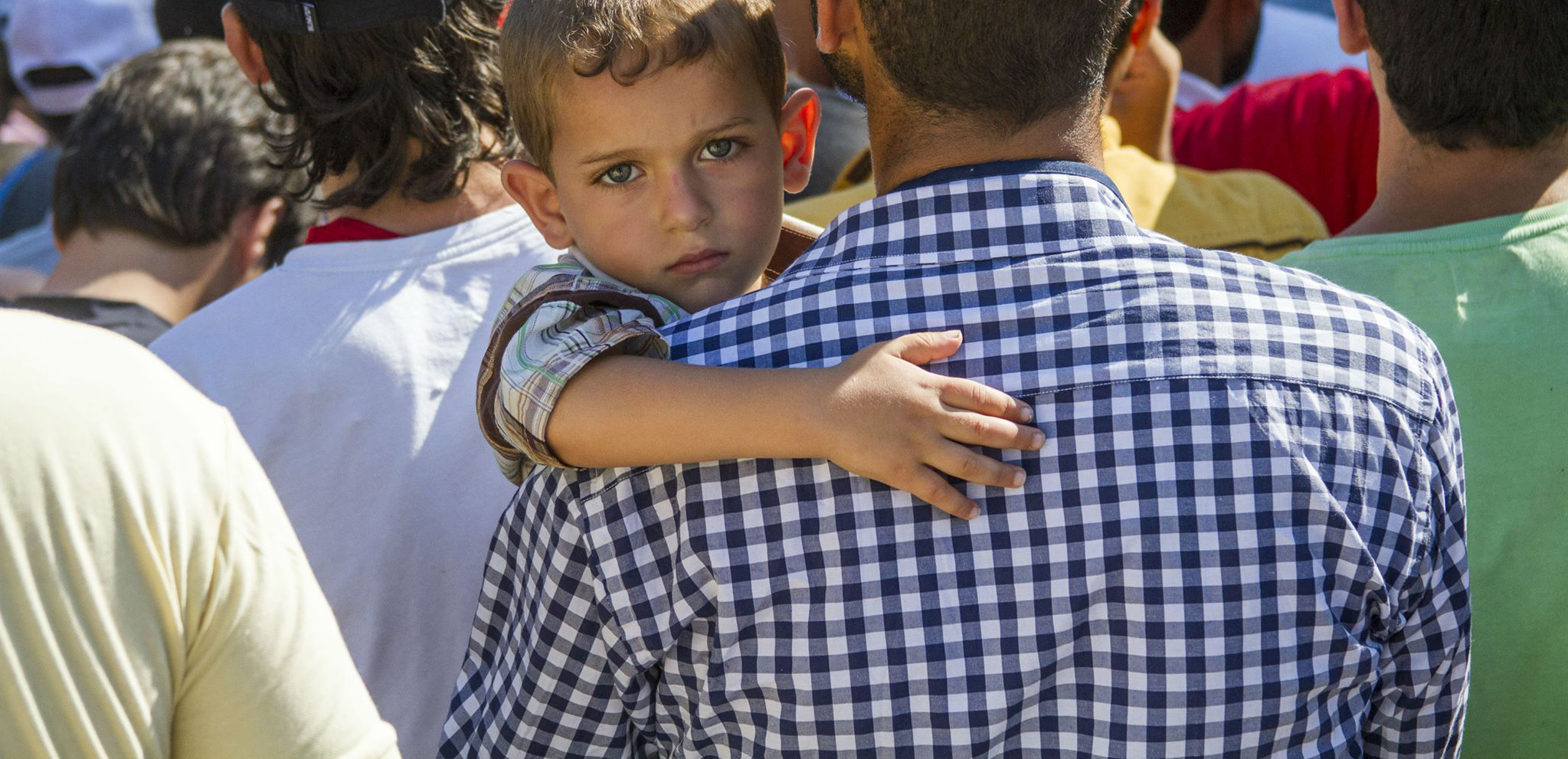
Yemen, a country located in the Middle East, is currently facing one of the world's most severe humanitarian crises. The ongoing conflict in Yemen has had a devastating impact on its population, particularly on children. According to UNICEF, over 80% of Yemeni children are in need of humanitarian assistance, with many facing acute malnutrition and lacking access to basic healthcare and education. The conflict has forced millions of children out of school, leaving them vulnerable to exploitation, violence, and recruitment by armed groups. Children in Yemen are also at risk of being killed or maimed as a result of indiscriminate attacks and explosive remnants of war. It is crucial to raise awareness about the dire situation faced by children in Yemen and to advocate for their protection and well-being.

Animals

Yemen, a country located on the southern tip of the Arabian Peninsula, is facing a multitude of challenges, including those related to its animal population. The ongoing conflict in Yemen has severely impacted the welfare of animals in the region. Livestock, such as sheep, goats, and cattle, are crucial to the livelihoods of many Yemenis, providing food, income, and resources. However, the conflict has disrupted veterinary services, access to feed and water, and has resulted in the displacement of both people and animals. This has led to a decline in the health and overall well-being of animals in Yemen, exacerbating an already dire situation for the country's population. Increased awareness and support for animal welfare initiatives are essential to mitigate the impact of the conflict on Yemen's animals.

Nonprofits Working in Yemen

Discover organizations making a difference in Yemen

Make Your Impact Today

Discover causes you care about and support the nonprofits making a difference in communities around the world.

Are you a nonprofit? Join Project World Impact for free

Join Us Free