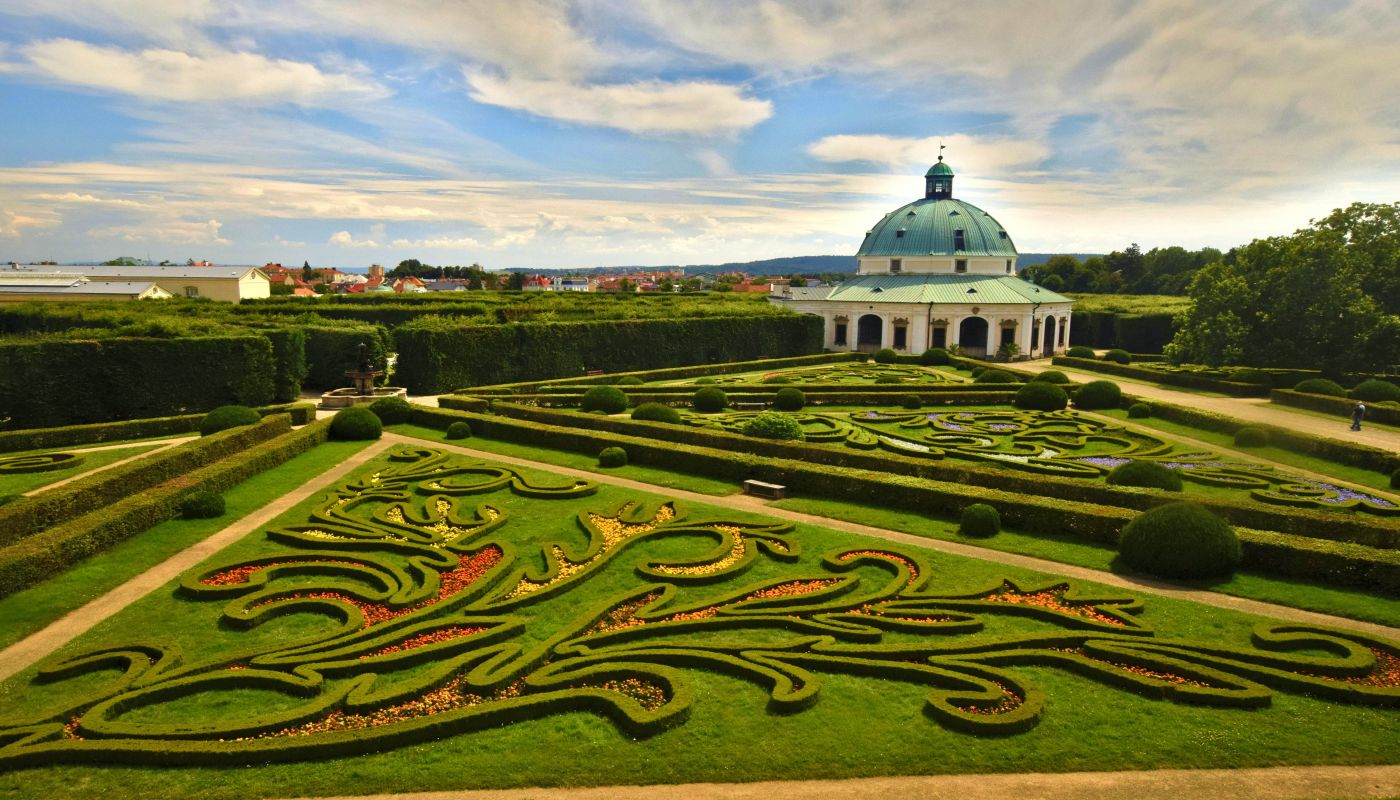
Landscape of Czech Republic
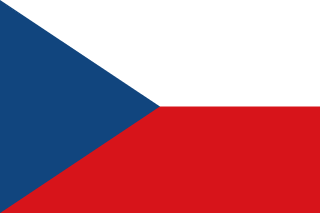
Flag of Czech Republic

Czech Republic

Europe

Whether exploring the winding streets of Prague's Old Town or hiking through the stunning countryside, there is always something new to discover in the Czech Republic.The Czech Republic is a vibrant country located in the heart of Europe with a population of approximately 10.7 million. One of the most exciting things about the Czech Republic is its strong economy, which has been experiencing steady growth in recent years. The unemployment rate is also one of the lowest in the European Union, at around 2.8%. The country is also known for its excellent education system, producing highly skilled professionals in a wide range of fields. In terms of hot topics, the Czech Republic has been making strides in renewable energy and sustainability, with the government aiming to increase the share of renewable sources in the country's energy mix. Additionally, the country has been at the forefront of efforts to increase transparency and reduce corruption, which has earned it high marks from international organizations.

What would you like to learn about in Czech Republic?

Select a section to explore the country where nonprofits are creating positive change.

About Czech Republic

At the close of World War I, the Czechs and Slovaks of the former Austro-Hungarian Empire merged to form Czechoslovakia. During the interwar years, having rejected a federal system, the new country's predominantly Czech leaders were frequently preoccupied with meeting the increasingly strident demands of other ethnic minorities within the republic, most notably the Slovaks, the Sudeten Germans, and the Ruthenians (Ukrainians). On the eve of World War II, Nazi Germany occupied the Czech part of the country and Slovakia became an independent state allied with Germany. After the war, a reunited but truncated Czechoslovakia (less Ruthenia) fell within the Soviet sphere of influence. In 1968, an invasion by Warsaw Pact troops ended the efforts of the country's leaders to liberalize communist rule and create "socialism with a human face," ushering in a period of repression known as "normalization." The peaceful "Velvet Revolution" swept the Communist Party from power at the end of 1989 and inaugurated a return to democratic rule and a market economy. On 1 January 1993, the country underwent a nonviolent "velvet divorce" into its two national components, the Czech Republic and Slovakia. The Czech Republic joined NATO in 1999 and the European Union in 2004.

Quick Facts

Population
10,162,921 (July 2013 est.)
Area
78,867 sq km
ISO Code
CZ
Continent
Europe
Government
parliamentary democracy
Active Causes
12
View all countries in Europe

Geography & Environment

Climate

temperate; cool summers; cold, cloudy, humid winters

Terrain

Bohemia in the west consists of rolling plains, hills, and plateaus surrounded by low mountains; Moravia in the east consists of very hilly country

Natural Resources

hard coal, soft coal, kaolin, clay, graphite, timber

Environmental Issues

air and water pollution in areas of northwest Bohemia and in northern Moravia around Ostrava present health risks; acid rain damaging forests; efforts to bring industry up to EU code should improve do...

People & Society

77.56 years
Avg. Life Expectancy
99%
Literacy Rate
73.4% of total population (2011)
Total Urban Population

Languages

Czech 95.4%, Slovak 1.6%, other 3% (2011 census)

Religions

Roman Catholic 10.3%, Protestant (includes Czech Brethren and Hussite) 0.8%, other and unspecified 54.6%, none 34.2% (2011 census)

Health Expenditure

7.9% of GDP (2010) of GDP

Education Expenditure

4.4% of GDP (2009) of GDP

Economy

$27,600
GDP per Capita (PPP)
6.8%
Unemployment Rate
9% (2010 est.)
Below Poverty Line

Economic Overview

The Czech Republic is a stable and prosperous market economy closely integrated with the EU, especially since the country's EU accession in 2004. While the conservative, inward-looking Czech financial system has remained relatively healthy, the small, open, export-driven Czech economy remains sensitive to changes in the economic performance of its main export markets, especially Germany. When Western Europe and Germany fell into recession in late 2008, demand for Czech goods plunged, leading to double digit drops in industrial production and exports. As a result, real GDP fell 4.7% in 2009, wi...

Causes in Czech Republic

Environment

The Czech Republic, located in Central Europe, is a country known for its rich history, stunning architecture, and picturesque landscapes. However, like many nations around the world, the environment in the Czech Republic faces challenges that impact its people and ecosystems. Air pollution is a significant issue in the country, with high levels of particulate matter and nitrogen dioxide posing risks to public health. Industrial activities, transportation emissions, and residential heating all contribute to this problem. Furthermore, water quality is also a concern, with pollution from agriculture and industry affecting rivers and groundwater sources. The loss of biodiversity due to habitat destruction and climate change further exacerbates environmental issues in the Czech Republic.

Family

In the Czech Republic, family plays a crucial role in shaping the social fabric and cultural identity of its people. The family unit in Czech society typically extends beyond the nuclear family to include grandparents, aunts, uncles, and cousins, emphasizing strong bonds and close-knit relationships. Family gatherings are an integral part of Czech tradition, providing a sense of belonging and support for individuals. Moreover, families in the Czech Republic often serve as a primary source of emotional and financial assistance, particularly in times of need or crisis. However, changing social dynamics such as increasing urbanization and modernization have led to shifts in traditional family structures and dynamics. Despite these changes, family remains a cornerstone of Czech society, fostering solidarity and resilience among its members.

Human Rights

The Czech Republic, located in Central Europe, is a nation deeply rooted in a history marked by periods of political and social upheaval. The country's commitment to upholding human rights has been a focal point in its journey towards democracy and stability. Human rights issues in the Czech Republic include concerns related to discrimination against minority groups, such as the Roma population, as well as challenges in ensuring equal access to education and healthcare for all citizens. The government has taken steps to address these issues through legislation and initiatives aimed at promoting equality and protecting the rights of all individuals within its borders. However, ongoing efforts are needed to fully address these issues and create a more inclusive society for all Czech citizens.

Education

The Czech Republic, located in Central Europe, has a well-established education system that plays a crucial role in shaping the country's socio-economic landscape. Education in the Czech Republic is mandatory for children aged 6 to 15, with a strong emphasis on academic achievement and skill development. The education system comprises primary, secondary, and tertiary levels, with a focus on providing students with a comprehensive and well-rounded education. The country boasts a high literacy rate of over 99%, reflecting the effectiveness of its education policies. Access to quality education is considered a fundamental right in the Czech Republic, with efforts being made to ensure equal opportunities for all students regardless of their background. The impact of education in the Czech Republic extends beyond individual success, contributing significantly to the country's overall development and prosperity.

Poverty

Poverty in the Czech Republic is a pressing issue that significantly affects a notable portion of the population. Despite being one of the wealthiest post-communist nations in Central and Eastern Europe, poverty levels remain relatively high, especially among certain demographics such as the elderly and single-parent households. The impact of poverty in the Czech Republic is multifaceted, encompassing factors like limited access to quality education, healthcare, and employment opportunities. This leads to a cycle of disadvantage and social exclusion for those living in poverty. Additionally, inadequate social support systems further exacerbate the challenges faced by vulnerable individuals and families. To address this issue effectively, there is a need for comprehensive policies that focus on reducing inequalities, improving social welfare programs, and promoting inclusive economic growth.

Religion

The Czech Republic, located in Central Europe, has a rich history deeply intertwined with religion. Historically, the Czech Republic has been predominantly Christian, with Roman Catholicism being the dominant faith for centuries. However, in recent years, the country has seen a significant decline in religious affiliation. According to a Pew Research Center study, approximately 72% of Czechs identify as religiously unaffiliated, making it one of the most secular countries in the world. This shift away from organized religion can be attributed to various factors, including historical events such as communist rule, which suppressed religious practices. Today, the Czech Republic is known for its religious tolerance and pluralism, with individuals free to practice any faith or none at all without fear of persecution. Despite this, the impact of religion on Czech society remains palpable in cultural traditions, architecture, and national holidays. It is essential to understand the complex relationship between religion and society in the Czech Republic to appreciate the country's unique cultural landscape.

Clean Water

Clean water is a vital resource for the Czech Republic, a landlocked country in Central Europe. With over 50% of its territory covered by forests and an abundance of rivers, including the Vltava and Elbe, the nation relies heavily on these water sources for drinking water, agriculture, and industry. However, despite its natural wealth of water resources, pollution from agricultural runoff, industrial discharge, and inadequate wastewater treatment pose significant threats to water quality in the country. Contaminated water not only affects human health but also harms aquatic ecosystems and biodiversity. Addressing these challenges through sustainable water management practices and stringent regulations is crucial to ensure a safe and clean water supply for present and future generations in the Czech Republic.

Economy

The Czech Republic, located in Central Europe, boasts a diverse economy that has undergone significant transformation since the fall of communism in 1989. The country has a highly industrialized economy with a strong focus on manufacturing, particularly in automobiles, machinery, and electronics. Additionally, the Czech Republic is a major producer of beer and has a thriving tourism sector centered around its historical sites and natural beauty. The economy of the Czech Republic is highly dependent on exports, with Germany being its largest trading partner. However, the country faces challenges such as an aging population and a need to invest in innovation to ensure long-term economic growth. These factors underscore the importance of strategic economic planning and policies to maintain stability and prosperity in the Czech Republic.

Government

The Czech Republic, a landlocked country in Central Europe, has a parliamentary democracy with a President as the head of state and a Prime Minister as the head of government. The government of the Czech Republic plays a significant role in shaping the country's policies and influencing its socio-economic development. The government is responsible for overseeing various sectors such as healthcare, education, infrastructure, and economy, among others. It formulates laws, regulations, and initiatives that impact the lives of its citizens and residents. Through its decisions on taxation, public spending, foreign relations, and social welfare programs, the government has a direct impact on the well-being and prosperity of the Czech population.

Health

The Czech Republic, located in Central Europe, faces various health challenges that impact its population. One significant issue is the high prevalence of smoking, which contributes to a range of health problems including respiratory diseases and cardiovascular disorders. Additionally, the country has seen a rise in obesity rates in recent years, leading to an increased burden of chronic conditions such as diabetes and hypertension. Mental health is also a concern, with stigma and limited access to mental health services posing barriers to treatment for many individuals. Addressing these health issues is crucial for improving the overall well-being of the Czech population and reducing healthcare costs in the long term.

Children

Children in the Czech Republic face a variety of challenges that impact their well-being and development. According to the Organization for Economic Cooperation and Development (OECD), child poverty rates in the Czech Republic are higher than the European Union average, with approximately 12% of children living in poverty. This economic hardship can lead to limited access to quality education, healthcare, and other essential services, affecting children's opportunities for a better future. Additionally, issues such as child abuse, neglect, and mental health concerns further compound the difficulties that children in the Czech Republic may encounter. It is crucial for policymakers, organizations, and individuals to address these challenges effectively to ensure that all children in the Czech Republic have the opportunity to thrive and reach their full potential.

Animals

The Czech Republic is a country known for its rich biodiversity and abundant wildlife. Animals play a significant role in the ecosystem of this Central European nation, contributing to its natural beauty and environmental balance. However, various threats, such as habitat loss, pollution, and climate change, pose challenges to the well-being of Czech wildlife. Species like the European bison, lynx, and golden eagle are particularly vulnerable to these threats. Conservation efforts are crucial to safeguarding the diverse flora and fauna of the Czech Republic for future generations to enjoy. By promoting awareness and supporting conservation initiatives, individuals can help protect the country's unique wildlife and preserve its natural heritage.

Nonprofits Working in Czech Republic

Discover organizations making a difference in Czech Republic

American War Memorials Overseas, Inc.

American War Memorials Overseas, Inc.

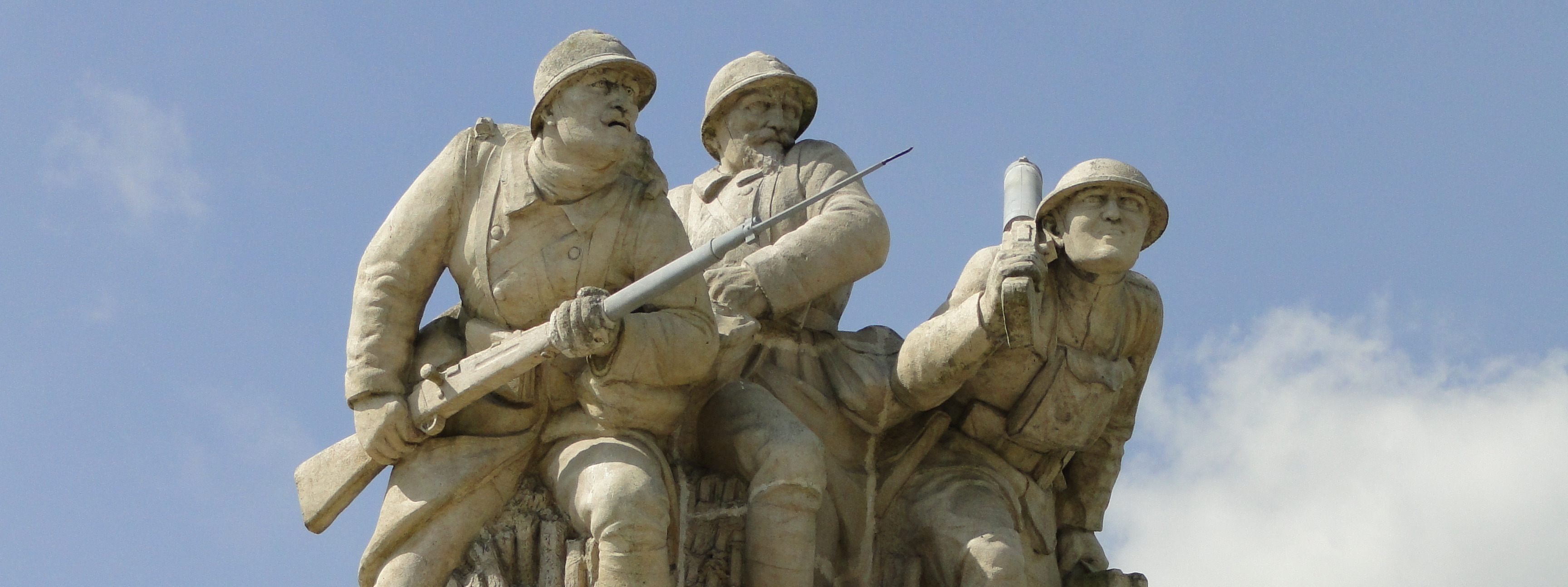
American War Memorials Overseas works to document, promote, and preserve non-government supported War Memorials honoring Americans outside of the USA to ensure these monuments remain part of local communities forever. (Our mission is to help care for those private memorials and gravesites where the US government has no responsibility.) War Memorials commemorate our shared past, and overseas war memorials honoring Americans are an important symbol of America's international engagement. American War Memorials Overseas seeks to cooperate with other organizations, at international, national, and local levels, to better safeguard the future of War Memorials honoring Americans overseas in both their social and historical context. American War Memorials Overseas is a 501(c) (3) nonprofit corporation and as such is entirely dependent on donated funds. AWMO seeks to receive funding from individual contributions, corporate contributions, and private foundation grants.

Wilmington, Delaware

Make Your Impact Today

Discover causes you care about and support the nonprofits making a difference in communities around the world.

Are you a nonprofit? Join Project World Impact for free

Join Us Free