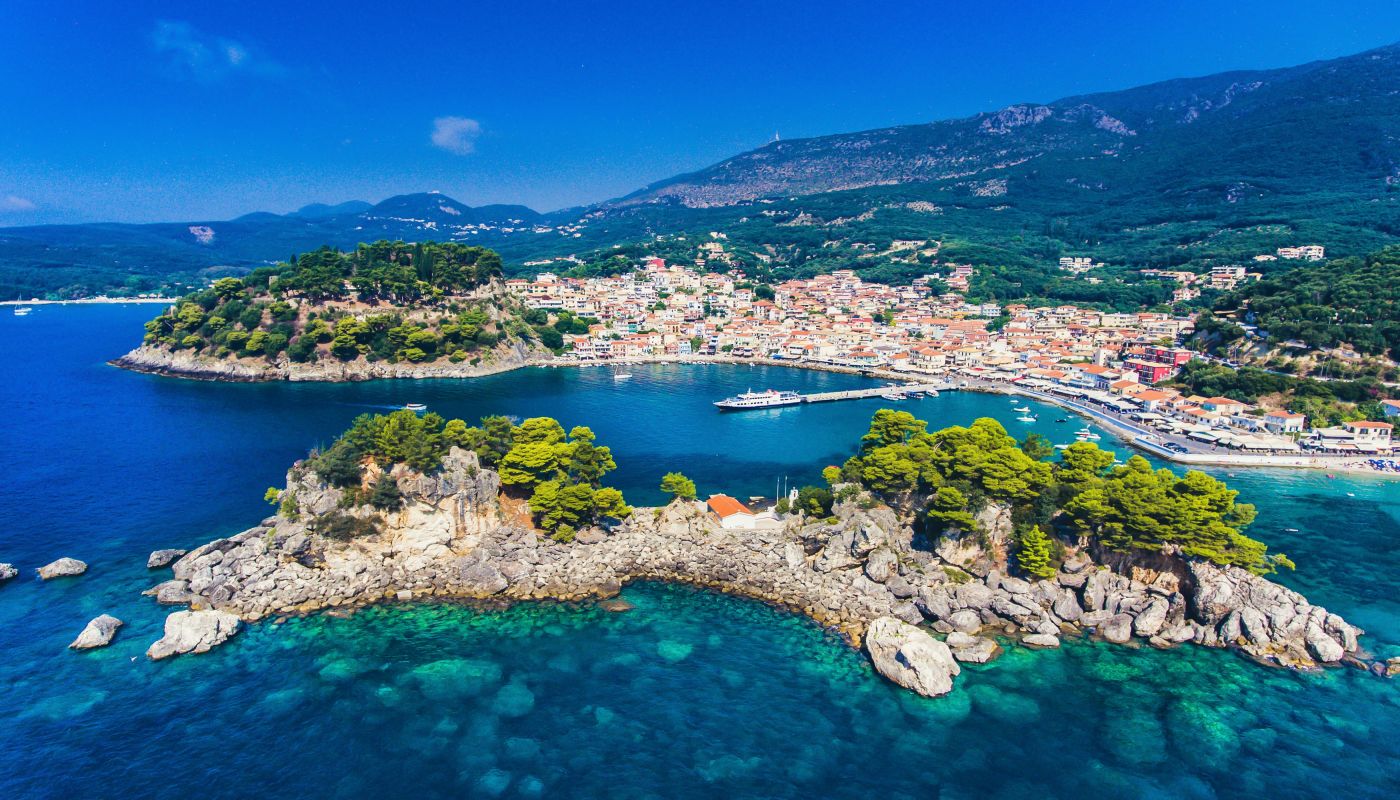
Landscape of Greece
Flag of Greece

Greece

Europe

Greece has a diverse society that blends modernity and tradition, with a population of over 10 million people. Its capital city, Athens, is a bustling metropolis that attracts millions of visitors every year. Greece is also a major hub for international shipping and a key player in the Mediterranean region. Greece has been actively working towards strengthening its economy and creating new job opportunities, with a focus on supporting small businesses and entrepreneurship. The government has also implemented policies to attract foreign investors and businesses to the country, which bodes well for the future of the Greek economy.

What would you like to learn about in Greece?

Select a section to explore the country where nonprofits are creating positive change.

About Greece

Greece achieved independence from the Ottoman Empire in 1830. During the second half of the 19th century and the first half of the 20th century, it gradually added neighboring islands and territories, most with Greek-speaking populations. In World War II, Greece was first invaded by Italy (1940) and subsequently occupied by Germany (1941-44); fighting endured in a protracted civil war between supporters of the king and other anti-communist and communist rebels. Following the latter's defeat in 1949, Greece joined NATO in 1952. In 1967, a group of military officers seized power, establishing a military dictatorship that suspended many political liberties and forced the king to flee the country. In 1974, democratic elections and a referendum created a parliamentary republic and abolished the monarchy. In 1981, Greece joined the EC (now the EU); it became the 12th member of the European Economic and Monetary Union in 2001. In 2010, the prospect of a Greek default on its euro-denominated debt created severe strains within the EMU and raised the question of whether a member country might voluntarily leave the common currency or be removed.

Quick Facts

Population
10,772,967 (July 2013 est.)
Area
131,957 sq km
ISO Code
GR
Continent
Europe
Government
parliamentary republic
Active Causes
12
View all countries in Europe

Geography & Environment

Climate

temperate; mild, wet winters; hot, dry summers

Terrain

mostly mountains with ranges extending into the sea as peninsulas or chains of islands

Natural Resources

lignite, petroleum, iron ore, bauxite, lead, zinc, nickel, magnesite, marble, salt, hydropower potential

Environmental Issues

air pollution; water pollution

People & Society

80.18 years
Avg. Life Expectancy
97.3%
Literacy Rate
61% of total population (2010)
Total Urban Population

Languages

Greek (official) 99%, other (includes English and French) 1%

Religions

Greek Orthodox (official) 98%, Muslim 1.3%, other 0.7%

Health Expenditure

10.3% of GDP (2010) of GDP

Education Expenditure

4.1% of GDP (2005) of GDP

Economy

$24,900
GDP per Capita (PPP)
24.3%
Unemployment Rate
20% (2009 est.)
Below Poverty Line

Economic Overview

Greece has a capitalist economy with a public sector accounting for about 40% of GDP and with per capita GDP about two-thirds that of the leading euro-zone economies. Tourism provides 15% of GDP. Immigrants make up nearly one-fifth of the work force, mainly in agricultural and unskilled jobs. Greece is a major beneficiary of EU aid, equal to about 3.3% of annual GDP. The Greek economy grew by nearly 4% per year between 2003 and 2007, due partly to infrastructural spending related to the 2004 Athens Olympic Games, and in part to an increased availability of credit, which has sustained record le...

Causes in Greece

Environment

Greece, a country known for its rich history and stunning landscapes, is facing significant environmental challenges that are impacting its population. The Mediterranean climate of Greece makes it particularly vulnerable to the effects of climate change, leading to rising temperatures, prolonged droughts, and increased frequency of extreme weather events. These environmental changes pose a threat to Greece's agriculture, tourism industry, and overall ecosystem. Additionally, air pollution in urban areas, water pollution from industrial activities and improper waste management, and deforestation are all pressing issues that require immediate attention. It is crucial for the government and citizens of Greece to prioritize sustainable practices and policies to mitigate these harmful effects on the environment and ensure a healthier future for the country.

Family

Family is a fundamental pillar of Greek society, playing a central role in the lives of its people. In Greece, the concept of family extends beyond the nuclear unit to encompass extended family members, creating strong bonds and deep connections within the community. Families in Greece are known for their close-knit relationships, with a strong emphasis on mutual support, loyalty, and respect for elders. These values are deeply rooted in Greek culture and traditions, shaping the way individuals interact with one another and navigate their daily lives. Family gatherings and celebrations are highly valued in Greek society, serving as occasions for strengthening familial ties and fostering a sense of belonging and identity. The importance of family in Greece is reflected in various aspects of social life, including childcare, education, and caregiving for the elderly. Overall, family plays a significant role in shaping the values, beliefs, and behaviors of the Greek population, contributing to the country's rich cultural heritage and sense of community.

Human Rights

Greece, a country rich in history and culture, has faced significant challenges in upholding human rights within its borders. Despite being a signatory to numerous international human rights treaties, such as the European Convention on Human Rights, Greece has struggled in ensuring the protection and promotion of fundamental rights for all its citizens and residents. Issues such as police brutality, discrimination against marginalized groups including migrants and refugees, and limitations on freedom of expression have been persistent concerns. Human rights violations in Greece undermine the democratic principles upon which the country is founded and hinder the full realization of individuals' rights and freedoms. By addressing these systemic challenges and implementing effective measures to safeguard human rights, Greece can strive towards a more just and equitable society for all.

Education

In Greece, education plays a crucial role in shaping the country's future prospects. Despite the ongoing economic challenges, education remains a top priority for the Greek government as it is seen as a key driver for economic growth and social development. However, Greece faces various educational issues such as high dropout rates, unequal access to quality education, and limited resources for schools in rural areas. These challenges hinder the country's ability to fully harness the potential of its youth and build a skilled workforce that can compete in the global economy. Addressing these issues through targeted policies and investments in education is essential for Greece to secure a brighter future for its citizens and foster sustainable development.

Poverty

In Greece, poverty has been a longstanding issue with significant impacts on the population. The country has faced economic challenges in recent years, leading to high unemployment rates and a decrease in household incomes. According to the Hellenic Statistical Authority, the poverty rate in Greece stood at 21.1% in 2019, with a significant portion of the population experiencing material deprivation and social exclusion. This has resulted in limited access to essential services such as healthcare and education, exacerbating social inequalities within the country. The ongoing economic struggles have also contributed to a rise in homelessness and food insecurity among vulnerable communities. Addressing poverty in Greece requires comprehensive strategies that focus on sustainable economic growth, social welfare programs, and targeted support for marginalized groups.

Clean Water

Clean water is a crucial resource that significantly impacts the people of Greece. Despite the country's abundant natural water sources, issues such as pollution, aging infrastructure, and climate change have posed challenges to ensuring access to clean water for all its citizens. According to the European Environment Agency, Greece faces water quality issues due to agricultural runoff, industrial discharge, and inadequate wastewater treatment facilities. This not only affects the health and well-being of the population but also has broader implications for the environment and economy. Access to clean water is essential for public health, agriculture, tourism, and overall sustainable development in Greece. By raising awareness and implementing effective policies and practices for water management and conservation, Greece can work towards ensuring a safe and reliable water supply for its present and future generations.

Economy

Greece, a country with a rich historical and cultural heritage, has faced significant economic challenges in recent years. The Greek economy has been greatly impacted by factors such as high levels of public debt, structural weaknesses, and the global financial crisis of 2008. These issues have led to austerity measures, high unemployment rates, and reduced public services, affecting the livelihoods of many Greeks. The economic situation in Greece has also had wider implications within the European Union and the global economy. It is crucial to understand the complex interplay of economic factors at play in Greece to work towards sustainable solutions and support the country in its path towards economic recovery.

Government

Greece, a country located in southeastern Europe, has faced significant economic challenges over the past decade. The government plays a crucial role in shaping the country's economic policies and overall well-being of its citizens. Government decisions on taxation, public spending, and financial reforms have a direct impact on the Greek economy and society. High levels of public debt, a history of corruption, and political instability have contributed to Greece's economic struggles. The government's responses to these challenges, such as austerity measures and bailout agreements with international creditors, have sparked both support and criticism among the Greek population. It is essential for the government to implement sustainable policies that promote economic growth, reduce inequality, and ensure the welfare of all citizens.

Health

Greece, a picturesque Mediterranean country known for its rich history and stunning landscapes, faces significant challenges in its healthcare system. The economic crisis that hit the nation in the late 2000s had a profound impact on the health of its population. Austerity measures led to cuts in healthcare spending, resulting in decreased access to essential services for many Greeks. As a result, the country saw a rise in mental health issues, chronic diseases, and overall deteriorating health outcomes. Additionally, Greece has been grappling with an aging population, further straining its healthcare resources. The COVID-19 pandemic has further highlighted the vulnerabilities of Greece's healthcare system, underscoring the need for sustained investment and reforms to ensure the well-being of its citizens.

Children

In Greece, children are significantly affected by the country's economic challenges, which have led to high rates of poverty and limited access to quality education and healthcare. According to UNICEF, Greece has one of the highest child poverty rates in the European Union, with approximately 23% of children living below the poverty line. This has profound implications for their well-being, as poverty can hinder their physical, emotional, and cognitive development. Furthermore, cuts to social services and educational programs have placed additional strains on Greece's youth, limiting their opportunities for a better future. It is imperative that efforts are made to address these issues and support the well-being of Greek children to ensure a brighter tomorrow for the nation. Source: UNICEF Report on Child Poverty in Greece, [insert link to source]

Religion

Religion plays a significant role in the cultural fabric of Greece, deeply influencing various aspects of its society. Greek Orthodox Christianity, the predominant religion in the country, not only serves as a spiritual guide for many Greeks but also shapes their traditions, values, and social interactions. The influence of religion is evident in everyday life, from religious festivals and ceremonies to the architecture of churches that dot the landscape. Furthermore, religion has historically played a central role in shaping Greek identity and has been a unifying force for the nation. Despite Greece's secular constitution, the Orthodox Church maintains a prominent position in public life, reflecting the enduring impact of religion on Greek society.

Animals

In Greece, animals play a significant role in the country's ecosystem as well as its cultural heritage. With a diverse range of wildlife including species such as the loggerhead sea turtle and the Mediterranean monk seal, Greece boasts a rich biodiversity that contributes to its natural beauty and ecological balance. However, despite the importance of animals in Greek society, they often face threats from habitat loss, pollution, climate change, and illegal hunting. Conservation efforts are crucial to protect these vulnerable species and ensure their survival for future generations to appreciate and enjoy. By raising awareness about the impact of human activities on animals in Greece, we can work towards promoting sustainable practices and safeguarding the country's precious wildlife.

Nonprofits Working in Greece

Discover organizations making a difference in Greece

Make Your Impact Today

Discover causes you care about and support the nonprofits making a difference in communities around the world.

Are you a nonprofit? Join Project World Impact for free

Join Us Free