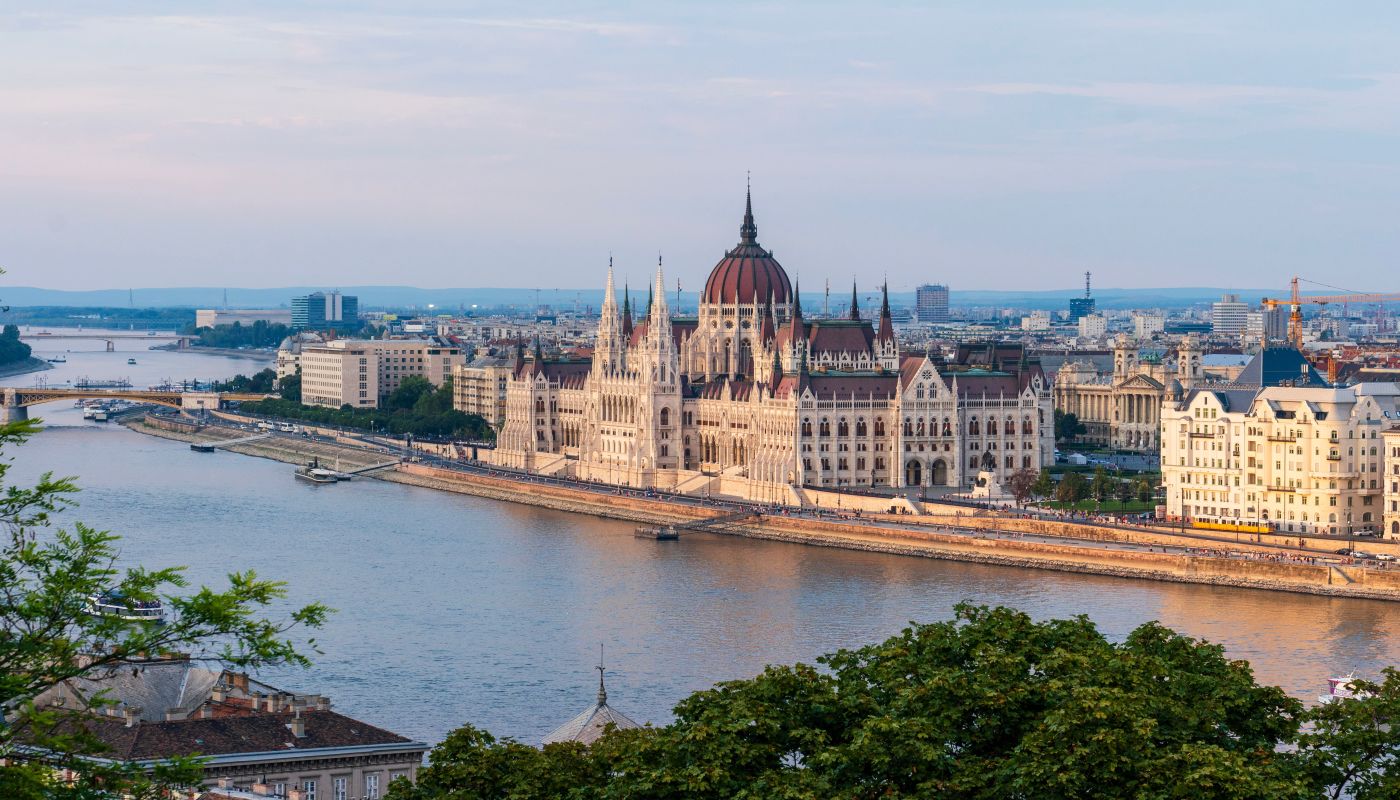

Landscape of Hungary
Flag of Hungary

Hungary

Europe

With a population of around 9.6 million people, Hungary is a welcoming nation with a proud heritage. Hungary has been making great strides, particularly in terms of economic development, with a focus on innovation and technology. The country is home to a thriving startup scene, which has helped to boost the economy and create new job opportunities for its citizens. Geographically, Hungary is a landlocked country, bordered by Slovakia, Ukraine, Romania, Serbia, Croatia, Slovenia, and Austria. Its landscape is dominated by the Danube River, which runs through the heart of the country. Even more remarkable, the country is a leader in medical research, particularly in the field of cancer treatment, and has made significant strides in improving healthcare outcomes for its citizens.

What would you like to learn about in Hungary?

Select a section to explore the country where nonprofits are creating positive change.

About Hungary

Hungary became a Christian kingdom in A.D. 1000 and for many centuries served as a bulwark against Ottoman Turkish expansion in Europe. The kingdom eventually became part of the polyglot Austro-Hungarian Empire, which collapsed during World War I. The country fell under communist rule following World War II. In 1956, a revolt and an announced withdrawal from the Warsaw Pact were met with a massive military intervention by Moscow. Under the leadership of Janos KADAR in 1968, Hungary began liberalizing its economy, introducing so-called "Goulash Communism." Hungary held its first multiparty elections in 1990 and initiated a free market economy. It joined NATO in 1999 and the EU five years later. In 2011, Hungary assumed the six-month rotating presidency of the EU for the first time.

Quick Facts

Population
9,939,470 (July 2013 est.)
Area
93,028 sq km
ISO Code
HU
Continent
Europe
Government
parliamentary democracy
Active Causes
12
View all countries in Europe

Geography & Environment

Climate

temperate; cold, cloudy, humid winters; warm summers

Terrain

mostly flat to rolling plains; hills and low mountains on the Slovakian border

Natural Resources

bauxite, coal, natural gas, fertile soils, arable land

Environmental Issues

the upgrading of Hungary's standards in waste management, energy efficiency, and air, soil, and water pollution to meet EU requirements will require large investments

People & Society

75.24 years
Avg. Life Expectancy
99%
Literacy Rate
69.5% of total population (2011)
Total Urban Population

Languages

Hungarian 93.6%, other or unspecified 6.4% (2001 census)

Religions

Roman Catholic 51.9%, Calvinist 15.9%, Lutheran 3%, Greek Catholic 2.6%, other Christian 1%, other or unspecified 11.1%, unaffiliated 14.5% (2001 cens...

Health Expenditure

7.3% of GDP (2010) of GDP

Education Expenditure

5.1% of GDP (2009) of GDP

Economy

$20,000
GDP per Capita (PPP)
10.9%
Unemployment Rate
14% (2012)
Below Poverty Line

Economic Overview

Hungary has made the transition from a centrally planned to a market economy, with a per capita income nearly two-thirds that of the EU-27 average. The private sector accounts for more than 80% of GDP. Foreign ownership of and investment in Hungarian firms are widespread, with cumulative foreign direct investment worth more than $70 billion. In late 2008, Hungary's impending inability to service its short-term debt - brought on by the global financial crisis - led Budapest to obtain an IMF/EU/World Bank-arranged financial assistance package worth over $25 billion. The global economic downturn,...

Causes in Hungary

Environment

Hungary, a landlocked country in Central Europe, is greatly influenced by its environment. With a diverse landscape encompassing the Great Hungarian Plain, the Danube River, and the picturesque Lake Balaton, Hungary faces both opportunities and challenges in managing its natural resources. The country's agricultural sector is particularly vulnerable to environmental factors such as water scarcity, soil erosion, and climate change. Additionally, Hungary struggles with air pollution in urban areas, threatening public health and exacerbating respiratory issues. As a member of the European Union, Hungary has committed to sustainability goals aimed at preserving its rich natural heritage for future generations. By implementing policies that promote renewable energy sources, conservation efforts, and sustainable land management practices, Hungary can mitigate the adverse effects of environmental degradation and secure a more resilient future for its citizens.

Family

In Hungary, family plays a significant role in shaping the social fabric and cultural norms of the society. The Hungarian culture places a strong emphasis on the importance of family ties and values. Families in Hungary are typically close-knit, with multiple generations often living together or in close proximity, fostering a sense of unity and support. Family members are expected to provide emotional and financial support to one another, creating a sense of security and stability within the family unit. Moreover, family gatherings and celebrations hold great significance in Hungarian culture, serving as occasions for strengthening bonds and maintaining traditions. The influence of family is evident in various aspects of Hungarian life, from decision-making processes to social interactions. Ultimately, the role of family in Hungary underscores the importance of interpersonal relationships and communal cohesion within the society.

Human Rights

Hungary, a Central European country with a rich history and vibrant culture, has faced significant scrutiny in recent years regarding its approach to human rights. The Hungarian government's policies and actions have often been criticized for infringing upon fundamental human rights, such as freedom of expression, the right to a fair trial, and the protection of minorities. For instance, Hungary's controversial laws on media freedom and academic autonomy have raised concerns about the erosion of democratic principles in the country. The situation is further compounded by the government's stance on immigration, which has been characterized by harsh anti-refugee rhetoric and policies that have been condemned by international human rights organizations. The impact of these issues on Hungarian society is profound, leading to increased polarization, a shrinking space for civil society, and a growing sense of fear and insecurity among marginalized communities. It is crucial for both domestic and international stakeholders to closely monitor the human rights situation in Hungary and advocate for reforms that uphold the principles of equality, justice, and dignity for all individuals.

Education

Education plays a pivotal role in shaping the future of Hungary, a country located in Central Europe. The Hungarian educational system has a strong emphasis on academic excellence and has historically been recognized for its high standards. Education is highly valued in Hungarian society, and students are encouraged to pursue higher education to secure better career opportunities. However, despite the emphasis on education, Hungary faces challenges such as disparities in access to quality education, particularly for marginalized communities and regions. These disparities can contribute to social inequality and hinder the overall development of the country. As Hungary continues to strive for economic growth and social progress, addressing these educational disparities will be crucial in ensuring a more equitable and prosperous future for all its citizens.

Poverty

Hungary, a European nation with a rich history, faces significant challenges related to poverty. Despite being classified as a high-income country by the World Bank, poverty remains a pressing issue, with approximately 14.5% of the population living below the national poverty line. The impact of poverty in Hungary is multifaceted, affecting access to education, healthcare, and adequate housing. Furthermore, poverty exacerbates social inequalities and hinders economic development, perpetuating a cycle of disadvantage for vulnerable populations. Addressing poverty in Hungary requires targeted policies that promote inclusive growth, social protection measures, and equitable access to essential services. By raising awareness and fostering collaboration between stakeholders, there is an opportunity to mitigate the effects of poverty and enhance the well-being of all Hungarian citizens.

Religion

Religion holds significant importance in Hungarian society, with Christianity being the predominant faith practiced by the majority of the population. The influence of religion in Hungary can be traced back to the country's historical roots and has played a key role in shaping its cultural identity. The Catholic Church, in particular, has been a prominent institution in Hungary, providing not only spiritual guidance but also contributing to various aspects of social life. Religious holidays and traditions are deeply ingrained in Hungarian culture, with Easter and Christmas being widely celebrated across the country. Despite this strong religious presence, Hungary is known for its religious diversity, with smaller communities of Protestant, Jewish, and Muslim believers coexisting alongside the dominant Catholic population. This religious pluralism adds to the country's rich tapestry of cultural heritage and underscores the importance of tolerance and understanding among different faith traditions.

Clean Water

Hungary, a landlocked country in Central Europe, is known for its rich history, vibrant culture, and stunning landscapes. However, despite its natural beauty, Hungary faces challenges in ensuring clean water for its population. With around 40% of the country's population relying on groundwater as a source of drinking water, pollution from agricultural runoff, industrial activities, and inadequate waste management poses a significant threat to the quality of water resources. Contaminated water sources can lead to serious health issues for the people of Hungary, including gastrointestinal problems, neurological disorders, and even cancer. In addition, water pollution also affects the country's biodiversity and ecosystem health. Addressing these challenges requires collaborative efforts from government agencies, industries, and local communities to implement effective water management strategies and promote sustainable practices to safeguard Hungary's precious water resources.

Economy

Hungary, a landlocked country in Central Europe, has a diverse economy that heavily relies on both industry and agriculture. The nation's economy has faced challenges over the years due to various factors, including political changes, global economic fluctuations, and structural issues. Like many countries, Hungary has been impacted by the COVID-19 pandemic, which has caused disruptions across various sectors. The economy of Hungary is characterized by a high level of foreign investment and export-oriented industries. The country is a member of the European Union and benefits from access to the EU single market. However, Hungary also faces issues such as income inequality, regional disparities, and an aging population that pose significant challenges to its economic growth and development.

Health

Hungary, located in Central Europe, faces various health challenges that significantly impact its population. One of the primary concerns in Hungary is the high prevalence of cardiovascular diseases, which are a leading cause of death in the country. Factors such as unhealthy diet, tobacco use, and lack of physical activity contribute to the increased risk of heart-related illnesses among Hungarians. Additionally, mental health issues, including high rates of depression and anxiety, pose a significant burden on individuals and the healthcare system in Hungary. Access to mental health services remains limited, further exacerbating the problem. Addressing these health challenges requires a comprehensive approach that includes promoting healthy lifestyles, improving access to healthcare services, and raising awareness about the importance of both physical and mental well-being in Hungary.

Children

In Hungary, children are a vulnerable group facing various challenges that impact their well-being and development. Poverty is a significant issue affecting many Hungarian children, with approximately one in every four children living below the poverty line. This socio-economic disadvantage often leads to inadequate access to quality education, healthcare, and proper nutrition, hindering their overall growth and future opportunities. Additionally, child protection services in Hungary face considerable strain, with reports of child abuse and neglect on the rise. The lack of sufficient resources and support systems further exacerbates these concerns, leaving many children at risk of harm. It is crucial for stakeholders at all levels to prioritize the protection and well-being of Hungarian children through targeted policies and interventions to ensure a brighter future for the next generation.

Government

Hungary, a landlocked country in Central Europe, has a rich history and culture that is deeply intertwined with its government and political landscape. The government of Hungary, led by Prime Minister Viktor Orbán and his Fidesz party, has been a subject of both domestic and international scrutiny due to its approach to governance, which has raised concerns about democratic principles and human rights. Orbán's government has been criticized for its restrictions on media freedom, erosion of judicial independence, and perceived authoritarian tendencies. These actions have sparked protests within Hungary and drawn condemnation from the European Union and other international bodies. The government's policies have had a significant impact on various aspects of Hungarian society, influencing areas such as freedom of expression, civil liberties, and the rule of law. It is crucial for the global community to remain informed about these developments to support efforts that uphold democratic values and human rights in Hungary.

Animals

Hungary, a country in Central Europe, boasts a rich cultural heritage and diverse ecosystems. Animals play a significant role in Hungarian society, both economically and ecologically. The agricultural sector heavily relies on livestock such as cattle, pigs, and poultry for meat and dairy production, contributing to the country's economy. Additionally, Hungary is home to a variety of wildlife, including red deer, wild boars, and numerous bird species, which are vital to maintaining the balance of its ecosystems. However, factors such as habitat loss, pollution, and illegal poaching pose threats to Hungary's animal populations. By raising awareness about these issues and promoting conservation efforts, we can help protect the animals that are integral to Hungary's natural environment.

Nonprofits Working in Hungary

Discover organizations making a difference in Hungary

S

Shaktify Inc

Is your life unfolding the way you want? Shaktify offers a spiritual path that allows the student to live a better life, a bigger life, a life of service and creative expression - a life that is more aligned with their purpose and the Divine.  Shaktify serves the Light, and supports all  religious paths and beliefs. Shaktify provides an energetic solution to life's various issues.  Through simple processes you can affect change in almost every facet of your life.  Effects can be realized in the physical, emotional, mental, and spiritual aspects of your being.  Shaktify is a holistic approach to change, to growth, and to the realization of a deep inner peace. The Work of Shaktify remains one of helping people with internal complexities to simplify, purify, and raise their base vibrational rates, for those who would have it. By guiding people from where they are to their next step, true help is given to people along their path from a spiritual perspective.

Warrenville, Illinois

Make Your Impact Today

Discover causes you care about and support the nonprofits making a difference in communities around the world.

Are you a nonprofit? Join Project World Impact for free

Join Us Free