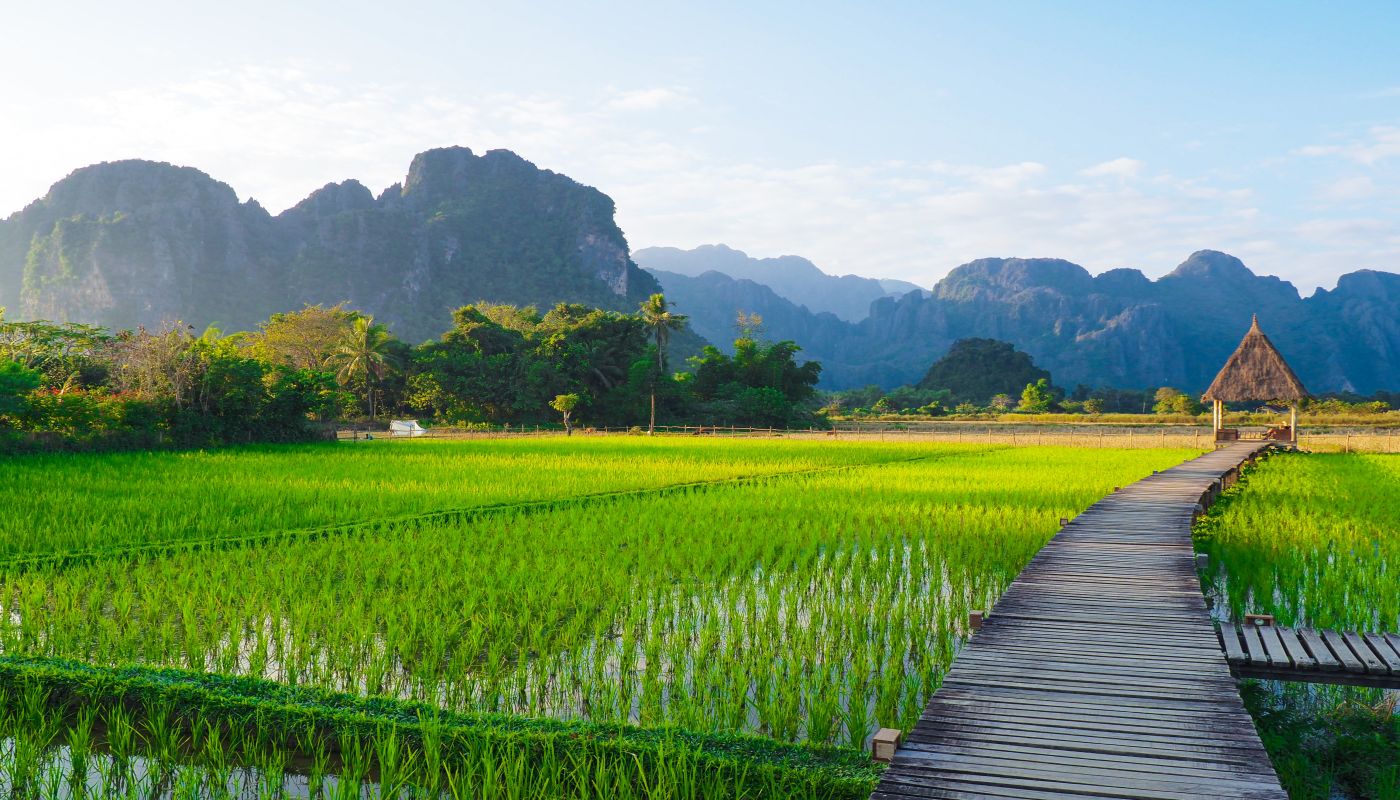

Landscape of Laos
Flag of Laos

Laos

Asia

Laos is a Southeast Asian country with a population of approximately 7 million people. The country has faced challenges related to poverty and political instability. Efforts are underway to promote economic development and political stability, including investments in education and infrastructure. The country is known as the "Land of a Million Elephants," due to the many elephants that used to roam freely in the region.

What would you like to learn about in Laos?

Select a section to explore the country where nonprofits are creating positive change.

About Laos

Modern-day Laos has its roots in the ancient Lao kingdom of Lan Xang, established in the 14th century under King FA NGUM. For 300 years Lan Xang had influence reaching into present-day Cambodia and Thailand, as well as over all of what is now Laos. After centuries of gradual decline, Laos came under the domination of Siam (Thailand) from the late 18th century until the late 19th century when it became part of French Indochina. The Franco-Siamese Treaty of 1907 defined the current Lao border with Thailand. In 1975, the communist Pathet Lao took control of the government ending a six-century-old monarchy and instituting a strict socialist regime closely aligned to Vietnam. A gradual, limited return to private enterprise and the liberalization of foreign investment laws began in 1988. Laos became a member of ASEAN in 1997 and the WTO in 2013.

Quick Facts

Population
6,695,166 (July 2013 est.)
Area
236,800 sq km
ISO Code
LA
Continent
Asia
Government
Communist state
Active Causes
12
View all countries in Asia

Geography & Environment

Climate

tropical monsoon; rainy season (May to November); dry season (December to April)

Terrain

mostly rugged mountains; some plains and plateaus

Natural Resources

timber, hydropower, gypsum, tin, gold, gemstones

Environmental Issues

unexploded ordnance; deforestation; soil erosion; most of the population does not have access to potable water

People & Society

63.14 years
Avg. Life Expectancy
72.7%
Literacy Rate
34.3% of total population (2011)
Total Urban Population

Languages

Lao (official), French, English, various ethnic languages

Religions

Buddhist 67%, Christian 1.5%, other and unspecified 31.5% (2005 census)

Health Expenditure

4.5% of GDP (2010) of GDP

Education Expenditure

3.3% of GDP (2010) of GDP

Economy

$3,100
GDP per Capita (PPP)
2.5%
Unemployment Rate
26% (2010 est.)
Below Poverty Line

Economic Overview

The government of Laos, one of the few remaining one-party communist states, began decentralizing control and encouraging private enterprise in 1986. The results, starting from an extremely low base, were striking - growth averaged 6% per year from 1988-2008 except during the short-lived drop caused by the Asian financial crisis that began in 1997. Laos' growth exceeded 7% per year during 2008-12. Despite this high growth rate, Laos remains a country with an underdeveloped infrastructure, particularly in rural areas. It has a basic, but improving, road system, and limited external and internal...

Causes in Laos

Environment

Laos, a landlocked country in Southeast Asia, is rich in natural beauty and biodiversity. However, rapid industrialization and urbanization have taken a toll on its environment. Deforestation for agriculture, logging, and infrastructure development has led to soil erosion, loss of habitat for wildlife, and disruption of ecosystems. Moreover, the construction of hydropower dams along the Mekong River has raised concerns about their impact on water quality, fish migration, and the livelihoods of local communities that depend on the river for sustenance. Pollution from mining activities and inadequate waste management also pose significant environmental challenges in Laos. It is crucial for the government and stakeholders to prioritize sustainable development practices to preserve Laos' unique ecosystems and promote environmental conservation efforts for the well-being of its people and future generations.

Family

Family plays a significant role in the social fabric of Laos, a landlocked country in Southeast Asia. The Laotian society is deeply rooted in strong family ties, where family members provide emotional support, financial assistance, and a sense of belonging to one another. The concept of extended family is prevalent in Laos, with multiple generations often living together under one roof. In times of joy or hardship, families come together to celebrate or support each other. Family elders are highly respected and hold authority within the household. Moreover, the well-being of the family unit is prioritized over individual needs, fostering a collective mindset among Laotians. This emphasis on family unity has a profound impact on various aspects of life in Laos, shaping traditions, values, and social interactions.

Human Rights

Laos, a Southeast Asian country, faces significant human rights challenges that have profound implications for its population. The government's restrictions on freedom of expression, assembly, and association have led to limited civic participation and hindered the development of a robust civil society. Moreover, there are reports of arbitrary arrests, enforced disappearances, and restrictions on the media. Ethnic minority groups in Laos also experience discrimination and marginalization, exacerbating social inequalities. These human rights violations not only impact the well-being of individuals but also impede the country's overall progress and stability. It is essential for both the government of Laos and the international community to address these issues to ensure the protection and promotion of human rights for all individuals in the country.

Education

Laos, a Southeast Asian country known for its stunning landscapes and rich cultural heritage, faces significant challenges in its education system. With a literacy rate of 73%, Laos struggles to provide quality education to all its citizens, especially those in rural and remote areas. Limited resources, inadequate infrastructure, and a shortage of qualified teachers are some of the key issues hindering the development of education in the country. As a result, many children in Laos are unable to access basic education, perpetuating cycles of poverty and inequality. Improving education in Laos is crucial not only for individual growth but also for the overall economic and social development of the nation.

Poverty

Laos, a landlocked country in Southeast Asia, grapples with the pervasive issue of poverty, which significantly impacts its population. With a high poverty rate of around 23%, many Laotians struggle to access basic necessities such as food, clean water, healthcare, and education. The rural areas are particularly affected, where infrastructure is often lacking and agricultural practices are vulnerable to environmental challenges. Poverty in Laos is closely linked to limited economic opportunities, inadequate social services, and insufficient access to resources. This results in a cycle of deprivation that hampers the country's overall development and well-being of its people. Addressing poverty in Laos requires comprehensive strategies that focus on sustainable economic growth, social protection programs, and improved access to education and healthcare. By raising awareness about the impact of poverty in Laos, we can support initiatives that aim to alleviate this pressing issue and improve the lives of its citizens.

Religion

Laos, a Southeast Asian nation, is known for its diverse religious landscape where Theravada Buddhism holds significant influence. In Laos, religion plays a vital role in shaping the cultural and social fabric of the society. Buddhism is practiced by a majority of the population and has a profound impact on various aspects of life, including rituals, festivals, and moral values. Monks are highly revered in Laotian society and play an essential role in providing spiritual guidance and teachings to the community. Additionally, animism and ancestor worship also hold sway in certain regions, reflecting the syncretic nature of religious beliefs in Laos. Religious tolerance is enshrined in the country's constitution, promoting harmony among different faiths. However, challenges such as restrictions on religious freedom persist, particularly for minority religious groups. Understanding the complex interplay between religion and society in Laos is crucial for fostering mutual respect and peaceful coexistence among its diverse populace.

Clean Water

Laos, a landlocked country in Southeast Asia, faces significant challenges with access to clean water. With over 80% of its population residing in rural areas and limited infrastructure, clean water scarcity is a pressing issue. The lack of access to safe drinking water not only affects the health and well-being of the Laotian people but also hinders socio-economic development. Waterborne diseases are prevalent due to contaminated water sources, leading to high mortality rates, particularly among children. Additionally, the agricultural sector, which is crucial to Laos's economy, is heavily reliant on water resources for irrigation, making clean water essential for food security and livelihoods. Addressing the issue of clean water in Laos is paramount to improving public health outcomes and fostering sustainable development in the country.

Economy

Laos, a landlocked country in Southeast Asia, grapples with a fragile economy that significantly affects its population. The nation heavily relies on agriculture, with rice being the staple crop, but economic growth is hindered by limited infrastructure, low levels of education, and vulnerability to natural disasters. The economy of Laos is also greatly impacted by external factors such as fluctuating global commodity prices and regional economic conditions. Poverty remains widespread, with a significant portion of the population living below the poverty line. The challenges faced by Laos in achieving sustainable economic development highlight the urgent need for targeted interventions and support to bolster its economy and uplift its citizens from poverty.

Government

Laos, a landlocked country in Southeast Asia, is heavily influenced by its government in various aspects. The government of Laos plays a crucial role in shaping the country's political, economic, and social landscape. With a single-party communist system in place, the government exerts significant control over the policies and decisions that impact the lives of its citizens. This centralized power structure can sometimes lead to limited political freedoms and restrictions on freedom of speech. Additionally, the government's management of natural resources, such as hydropower development and mining operations, can have environmental and social implications for the local communities. It is essential to recognize the impact of the government on Laos to advocate for transparency, accountability, and sustainable development practices in the country.

Health

Laos, a landlocked country in Southeast Asia, faces significant health challenges that impact its population. The country grapples with high rates of infectious diseases such as malaria, dengue fever, and tuberculosis, as well as malnutrition and limited access to healthcare services, particularly in remote rural areas. The lack of adequate sanitation facilities and clean water sources further exacerbates health issues, leading to a higher prevalence of waterborne diseases. Additionally, Laos struggles with a shortage of healthcare professionals and infrastructure, hindering the delivery of quality healthcare to its citizens. Addressing these health challenges is crucial to improving the overall well-being and quality of life for the people of Laos.

Children

Laos, a landlocked country in Southeast Asia, faces numerous challenges in ensuring the well-being of its children. With a significant portion of its population living in poverty and limited access to quality education and healthcare, children in Laos are particularly vulnerable. Malnutrition remains a prevalent issue, with around 33% of children under five years old being stunted. Additionally, many children are forced to work at a young age, depriving them of their right to education and putting them at risk of exploitation. The lack of proper infrastructure and services in rural areas further exacerbates these problems, leaving many children without essential resources for their development. Addressing these issues is crucial to secure a better future for the children of Laos.

Animals

In Laos, animals play a crucial role in the country's ecosystem and economy. The rich biodiversity of Laos is home to a wide variety of animal species, many of which are endemic and face threats such as habitat loss, poaching, and illegal wildlife trade. Elephants, in particular, have long been revered in Lao culture and traditionally used for transportation and logging. However, the exploitation of these gentle giants has led to a decline in their population and raised concerns about their welfare. Additionally, the illegal trade of wildlife in Laos not only poses a threat to endangered species but also contributes to the spread of zoonotic diseases. Efforts are being made by conservation organizations and the government to protect the country's wildlife and promote sustainable practices that benefit both animals and humans.

Nonprofits Working in Laos

Discover organizations making a difference in Laos

KENDALL OPTOMETRY MINISTRY INC

ORGANIZATIONAL MISSION STATEMENT With primary emphasis in underdeveloped countries, Kendall Optometry Ministry, Inc. was established in 2003 to spread the Word of our Lord and Savior Jesus Christ. This is accomplished by providing glasses to improve the vision of people living in many underdeveloped countries. These impoverished people can now see to read their Bible, and also improve their standard of living. Kendall Optometry Ministry, Inc (KOM) is a 501-3c non-profit organization formed to provide optical equipment and training to Christian optical mission teams traveling all over the world. The equipment and training is provided at no cost and supplies are provided at a break even price. Teams are responsible for building their own eyeglasses inventory but much assistance (in the form of training and software) is provided by KOM to assist in the building of this inventory. KOM also has a limited supply of barcoded glasses (prescription in barcode) which can be used to quickly build an inventory. A testimonial by the President. (Revised: 9/8/2018) I grew up in a Christian family. My father, M. H. Kendall , was a college professor and head of the religion department at Mars Hill College, Mars Hill, N.C. for nearly 40 years. I worked for 29 years for General Electric Appliances in Louisville, Ky. During the last 4 years I averaged several hundred thousand miles each year on international travel installing computer systems. All of this travel went flawlessly. God blessed me in everything that I did. It was something that I found to be obvious that God had a hand in my work. In July, 1999 I decided I would take one mission trip to Honduras working through an organization called "Baptist Medical Dental Mission International" (BMDMI.ORG). My intent was to "pay back the Lord" with this one mission trip. When I arrived in the village, I asked the team leader what he wanted me to do. He said he had several boxes of used prescription glasses to hand out. These glasses were dirty, broken, and not measured. As you can see in Figure 1 to the left (scroll down a bit), we just set them out on a table and people came by and tried them on until something helped them. I immediately knew this was wrong but it was the best we could do then. I came back from that trip with a God Given passion to do it better. Since 1999 I have gone to Honduras 27 times and Nicaragua 3 times. Each time something would be improved. The use of the autorefractor was introduced into Honduras in 2003 (to see Figure 2 scroll down a bit) and another one into Nicaragua in 2004. A special series of computer programs were developed to manage and build the inventory. You can review these programs at http://eyeglasses-Inventory.com/. Since 2003 of the 51 BMDMI mission teams more than 95% of these teams use the equipment and software developed by Kendall Optometry Ministry, Inc. In 2003 Kendall Optometry Ministry was incorporated as a 501-3c non-profit company. Using donations provided by several churches and individuals this company purchased a set of equipment which could be loaned out to Christian mission teams going all over the world. Later in 2005 a 2nd kit was purchased and in 2006 a 3rd and a 4th kit was purchased. In the beginning of 2007 a 5th kit was purchased. At the end of 2007 a 6th and 7th kit including a Retinomax 3 was purchased. By the end of 2009 the company owned 10 kits. In 2010 the company purchased two more kits. In 2011 the company purchased 1 more kit bringing the total to 13. By 2017 the company had purchased 18 kits. In 2018 KOM purchased kit number 19. See the growth of the company at this link. 2018 is only part of the year on this graph. Other teams will participate. The teams use this equipment to not only allow people to read their Bible but to also to help them improve their standard of living. You can read about some of these teams in the Teams Supported area of this web site. Tell us about your Christian mission team. Let us help you be more effective in your work for the Lord. If you would like our help send an E-Mail to: HollandKendall@kendalloptoministry.org Holland Kendall, President Kendall Optometry Ministry, Inc.

LOUISVILLE, Kentucky

Make Your Impact Today

Discover causes you care about and support the nonprofits making a difference in communities around the world.

Are you a nonprofit? Join Project World Impact for free

Join Us Free