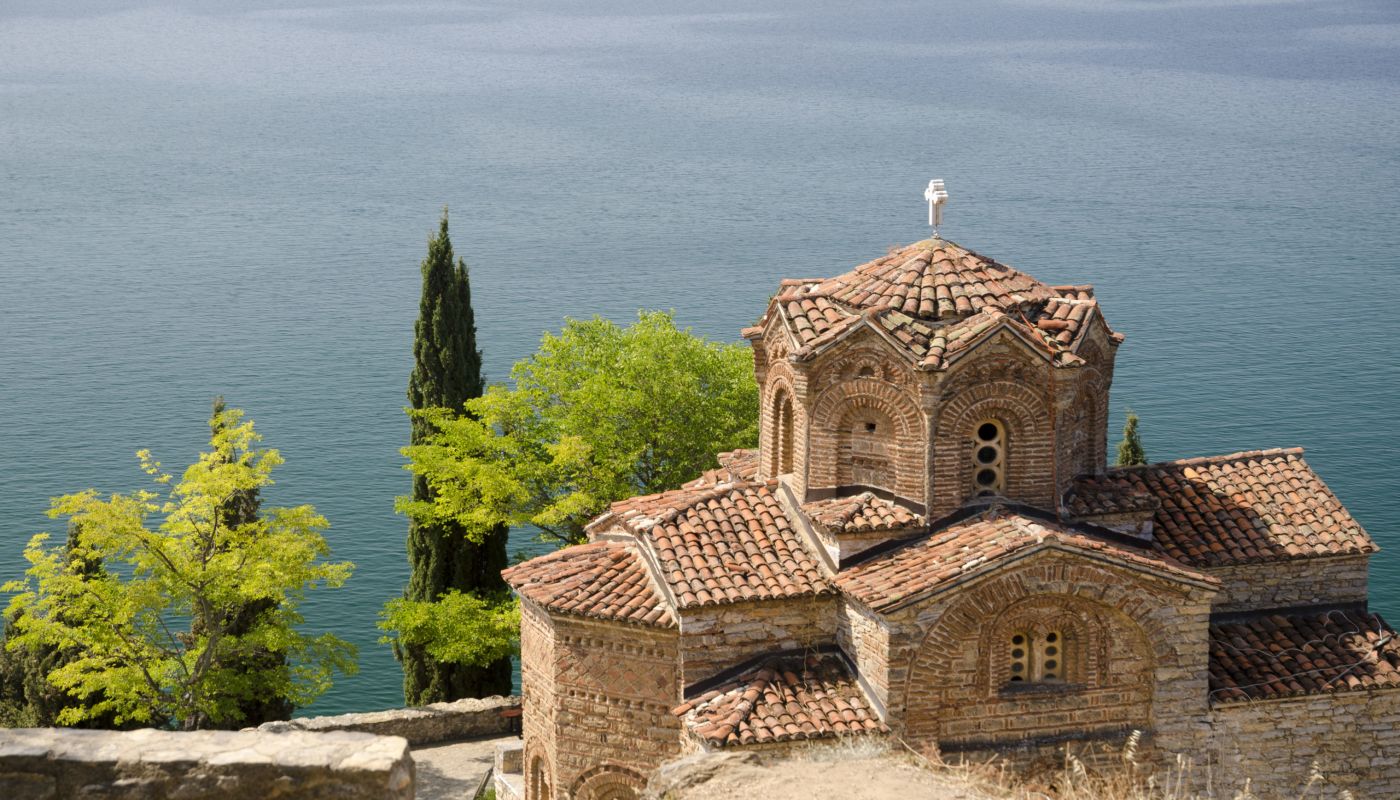
Landscape of Republic of North Macedonia
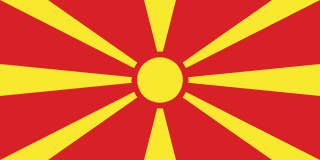
Flag of Republic of North Macedonia

Republic of North Macedonia

Europe

The Republic of North Macedonia is a landlocked country in Southeast Europe with a population of approximately 2 million people. The country is home to the Ohrid Lake, one of the oldest and deepest lakes in Europe, and a UNESCO World Heritage site. The country has faced challenges related to political stability and economic development. Efforts are underway to promote economic growth and political stability, including investments in infrastructure and efforts to address corruption.

What would you like to learn about in Republic of North Macedonia?

Select a section to explore the country where nonprofits are creating positive change.

About Republic of North Macedonia

Macedonia gained its independence peacefully from Yugoslavia in 1991. Greece's objection to the new state's use of what it considered a Hellenic name and symbols delayed international recognition, which occurred under the provisional designation of "the Former Yugoslav Republic of Macedonia." In 1995, Greece lifted a 20-month trade embargo and the two countries agreed to normalize relations, but the issue of the name remained unresolved and negotiations for a solution are ongoing. Since 2004, the United States and over 130 other nations have recognized Macedonia by its constitutional name, Republic of Macedonia. Some ethnic Albanians, angered by perceived political and economic inequities, launched an insurgency in 2001 that eventually won the support of the majority of Macedonia's ethnic Albanian population and led to the internationally brokered Ohrid Framework Agreement, which ended the fighting and established guidelines for the creation of new laws that enhanced the rights of minorities. Fully implementing the Framework Agreement, maintaining momentum on democratic reforms, and stimulating economic growth and development continue to be challenges for Macedonia, although progress has been made over the past several years.

Quick Facts

Population
2,087,171 (July 2013 est.)
Area
25,713 sq km
ISO Code
MK
Continent
Europe
Government
parliamentary democracy
Active Causes
12
View all countries in Europe

Geography & Environment

Climate

warm, dry summers and autumns; relatively cold winters with heavy snowfall

Terrain

mountainous territory covered with deep basins and valleys; three large lakes, each divided by a frontier line; country bisected by the Vardar River

Natural Resources

low-grade iron ore, copper, lead, zinc, chromite, manganese, nickel, tungsten, gold, silver, asbestos, gypsum, timber, arable land

Environmental Issues

air pollution from metallurgical plants

People & Society

75.58 years
Avg. Life Expectancy
97.4%
Literacy Rate
59% of total population (2010)
Total Urban Population

Languages

Macedonian (official) 66.5%, Albanian (official) 25.1%, Turkish 3.5%, Roma 1.9%, Serbian 1.2%, other 1.8% (2002 census)

Religions

Macedonian Orthodox 64.7%, Muslim 33.3%, other Christian 0.37%, other and unspecified 1.63% (2002 census)

Health Expenditure

7.1% of GDP (2010) of GDP

Education Expenditure

NA of GDP

Economy

$10,800
GDP per Capita (PPP)
31.3%
Unemployment Rate
30.4% (2011)
Below Poverty Line

Economic Overview

Macedonia is vulnerable to economic developments in Europe - due to strong trade ties - and dependent on regional integration and progress toward EU membership for continued economic growth. At independence in September 1991, Macedonia was the least developed of the Yugoslav republics, producing a mere 5% of the total federal output of goods and services. The collapse of the Socialist Federal Republic of Yugoslavia ended transfer payments from the central government and eliminated advantages from inclusion in a de facto free trade area. An absence of infrastructure, UN sanctions on the downsiz...

Causes in Republic of North Macedonia

Human Rights

The Republic of North Macedonia, located in the Balkan Peninsula in Southeast Europe, has made significant strides in upholding human rights in recent years. However, challenges persist, particularly in the areas of discrimination against marginalized groups, including ethnic minorities and the LGBTQ+ community. The country has taken steps to address these issues through legislative reforms and awareness campaigns, but more work is needed to ensure the full protection of human rights for all its citizens. International organizations such as the United Nations and Amnesty International continue to monitor the human rights situation in North Macedonia and provide support for ongoing efforts to promote equality and justice in the country.

Education

The Republic of North Macedonia, a country located in Southeast Europe, faces various challenges in its education system that significantly impact its population. Limited resources, outdated infrastructure, and disparities in access to quality education have contributed to high dropout rates and low levels of academic achievement. These issues have further exacerbated social inequalities and hindered the country's overall development. Improving the education sector in North Macedonia is crucial for enhancing economic opportunities, promoting social mobility, and fostering sustainable growth. By investing in modernizing educational facilities, enhancing teacher training programs, and implementing policies that promote inclusivity and equal access to education, North Macedonia can work towards building a more prosperous future for its citizens.

Poverty

The Republic of North Macedonia, a small country located in the Balkan region of Europe, faces significant challenges in terms of poverty. Despite its recent efforts to improve economic conditions and social welfare, a substantial portion of the population still lives in poverty. According to the World Bank, nearly one-quarter of the population in North Macedonia lives below the national poverty line, with rural areas and minority communities being particularly vulnerable. The high levels of poverty in the country have a profound impact on various aspects of society, including access to education, healthcare, and employment opportunities. Addressing poverty in North Macedonia requires a multidimensional approach that focuses on improving social protection systems, increasing access to quality education and healthcare, and fostering inclusive economic growth.

Religion

The Republic of North Macedonia, a small country located in the Balkan region of Europe, has a diverse religious landscape that plays a significant role in its societal fabric. The predominant religion in North Macedonia is Eastern Orthodox Christianity, followed by Islam and various other minority religions. Religion in North Macedonia is deeply intertwined with its history, culture, and traditions, shaping the way people live and interact with one another. Religious institutions wield influence over political and social matters, often serving as a guiding force for many citizens. However, despite the rich religious diversity that exists within the country, tensions can arise between different religious communities, leading to occasional instances of discrimination and conflict. Understanding the complex interplay between religion and society in North Macedonia is essential for fostering mutual respect and harmony among its diverse population.

Clean Water

The Republic of North Macedonia faces significant challenges in ensuring access to clean water for its population. With a population of approximately 2 million people, the country's water resources are under pressure due to pollution from agricultural runoff, industrial activities, and inadequate wastewater treatment systems. This has resulted in water scarcity in certain regions, posing a threat to public health and environmental sustainability. Lack of access to clean water leads to a higher incidence of waterborne diseases, affecting the well-being of the population. Addressing these issues requires investments in modernizing water infrastructure, implementing stringent regulations for pollution control, and promoting sustainable water management practices. By prioritizing clean water initiatives, the Republic of North Macedonia can safeguard the health of its citizens and protect its natural resources for future generations.

Economy

The Republic of North Macedonia, a landlocked country in Southeast Europe, has experienced significant economic challenges since gaining independence in 1991. The country's economy heavily relies on manufacturing, agriculture, and services, with key industries including automotive parts, textiles, and food processing. However, factors such as political instability, corruption, and the global economic downturn have hindered economic growth and development in North Macedonia. High levels of unemployment and poverty persist, particularly in rural areas and among vulnerable populations. The government has implemented reforms to attract foreign investment, improve infrastructure, and enhance business competitiveness. Addressing these economic issues is crucial for the long-term stability and prosperity of North Macedonia.

Government

The Republic of North Macedonia, located in the Balkan Peninsula in Southeast Europe, is a country with a rich history and diverse cultural heritage. The government of North Macedonia plays a crucial role in shaping the country's development and overall well-being. It is responsible for enacting laws, managing public services, and making decisions that impact the lives of its citizens. The government's policies on education, healthcare, economy, and social welfare have a direct influence on the quality of life and opportunities available to the people of North Macedonia. Additionally, the government's foreign relations and international engagements play a significant role in shaping the country's position on the global stage. Understanding the role and impact of the government is essential in comprehending the dynamics of North Macedonia's society and its path towards progress.

Health

The Republic of North Macedonia, a country located in Southeast Europe, faces various health challenges that significantly impact its population. High rates of non-communicable diseases such as cardiovascular diseases, diabetes, and cancer pose a major burden on the healthcare system and the overall well-being of the citizens. Additionally, limited access to healthcare services in remote rural areas and disparities in healthcare quality among different regions further exacerbate the health inequalities within the country. The lack of adequate health infrastructure and resources, coupled with socio-economic factors, contribute to the challenges faced by the healthcare system in North Macedonia. It is crucial for policymakers and stakeholders to address these issues effectively to improve the health outcomes and quality of life for the population.

Children

The Republic of North Macedonia, located in Southeast Europe, faces various challenges that impact its children. Factors such as poverty, limited access to quality education, and inadequate healthcare services contribute to the vulnerability of children in the country. According to UNICEF, approximately 30% of children in North Macedonia live below the poverty line, which significantly affects their well-being and overall development. Additionally, the educational system in North Macedonia struggles with issues such as overcrowded classrooms and a lack of resources, hindering children's ability to receive a quality education. Furthermore, access to healthcare services remains a concern, particularly in rural areas, where children may not receive timely medical attention when needed. By addressing these challenges and prioritizing the well-being of its children, North Macedonia can work towards creating a better future for the younger generation.

Environment

The Republic of North Macedonia is a country located in southeastern Europe, known for its rich cultural heritage and stunning natural landscapes. However, the environment in North Macedonia faces significant challenges that impact its people and biodiversity. The country's air quality is among the poorest in Europe due to high levels of particulate matter and sulfur dioxide emissions from industrial activities and outdated heating systems. This has led to serious health issues among the population, including respiratory diseases and cardiovascular problems. Furthermore, deforestation, improper waste management, and water pollution from agricultural runoff have also taken a toll on the country's ecosystems and wildlife. Addressing these environmental issues is crucial to safeguarding the health and well-being of the people of North Macedonia and preserving its natural heritage for future generations.

Family

In the Republic of North Macedonia, family plays a significant role in shaping social structures and cultural values. The concept of family extends beyond the nuclear unit to include extended family members who contribute to a sense of community and support. Family ties are deeply cherished in North Macedonian society, with strong emphasis placed on loyalty, respect for elders, and collective well-being. The intergenerational bonds within families foster a sense of belonging and provide a support system during times of hardship. Furthermore, family gatherings and traditions are integral to preserving cultural heritage and passing down customs to future generations. By understanding the importance of family in North Macedonian society, we gain insight into the fabric of their community and the values that unite its people.

Animals

The Republic of North Macedonia, located in the Balkan Peninsula, boasts a rich biodiversity that plays a crucial role in its ecosystem and society. Animals in North Macedonia have a significant impact on the country's environment, economy, and cultural heritage. The diverse wildlife, including species like brown bears, wolves, lynxes, and various bird species, contributes to the country's natural beauty and ecological balance. Furthermore, animal husbandry is a vital component of North Macedonia's agricultural sector, providing income for many rural communities. However, the increasing threats of habitat loss, climate change, and poaching pose serious challenges to the welfare of these animals and the sustainability of their populations. It is imperative to raise awareness about the importance of preserving North Macedonia's wildlife and implementing conservation measures to ensure a harmonious coexistence between humans and animals in this region.

Nonprofits Working in Republic of North Macedonia

Discover organizations making a difference in Republic of North Macedonia

WORLD MISSIONS ALLIANCE

WORLD MISSIONS ALLIANCE

To cultivate a culture of global involvement among the Christians by fulfilling Acts 1:8: “But you will receive power when the Holy Spirit comes on you; and you will be my witnesses in Jerusalem, and in all Judea and Samaria, and to the ends of the earth.” To create a community of individuals of different ages, social and cultural backgrounds who are united by the passion to spread the Gospel and see lives transformed. We are the catalyst of change through the power of Christ’s love in the spiritually dark and devastated nations, meeting the spiritual and physical needs of the people. Our mission is to change lives – in the nations and in our own country. The Great Commission transforms not only the mission field but the missionaries as well.

BRANSON WEST, Missouri

Make Your Impact Today

Discover causes you care about and support the nonprofits making a difference in communities around the world.

Are you a nonprofit? Join Project World Impact for free

Join Us Free