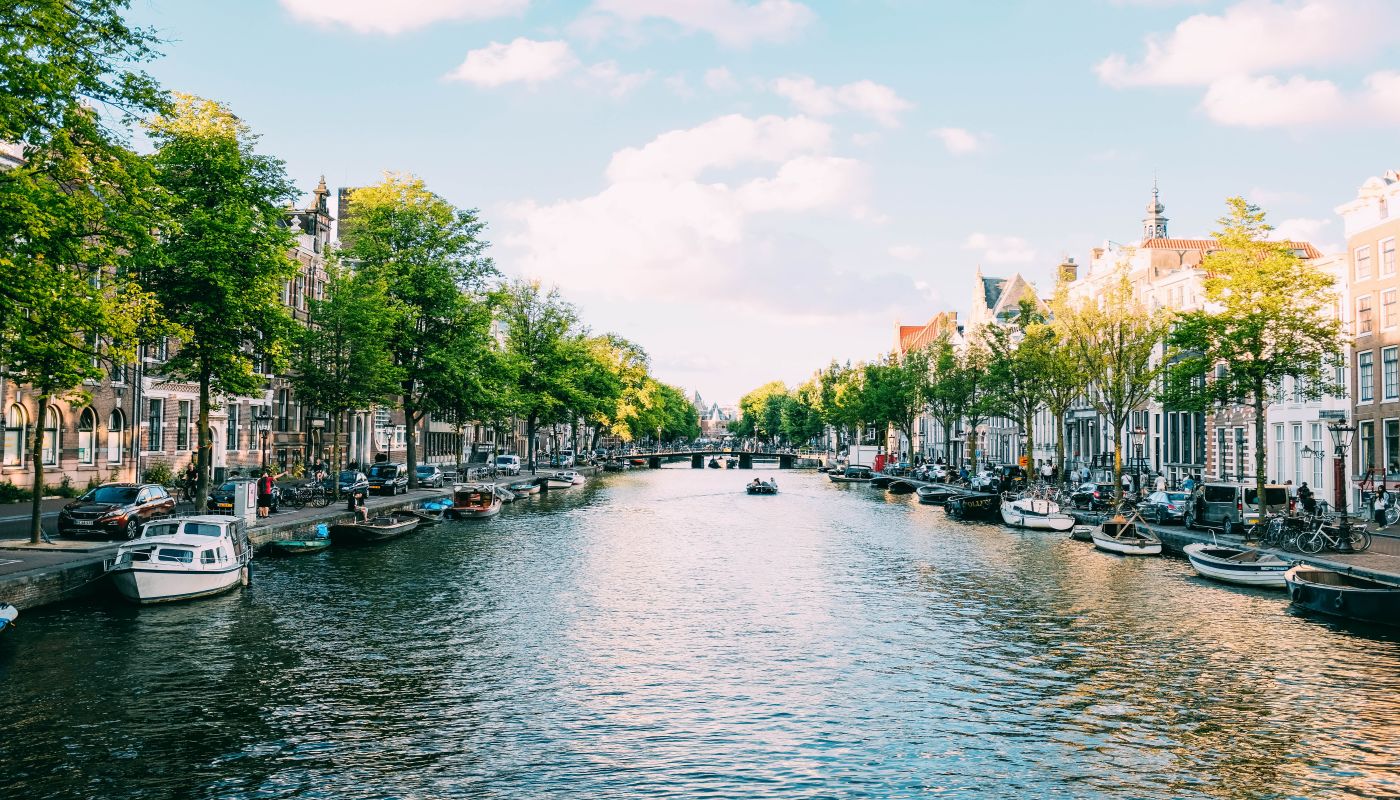
Landscape of Netherlands
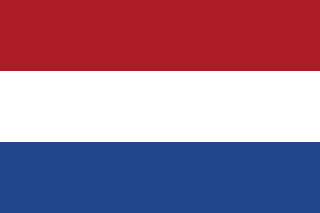
Flag of Netherlands

Netherlands

Europe

Netherlands is highly developed country located in Western Europe, known for its historic cities, tulip fields, and windmills. With a population of over 17 million people, the Netherlands is one of the wealthiest and most densely populated countries in Europe. The country's economy is based on trade, manufacturing, and financial services, and it is a leader in industries such as agribusiness and renewable energy. The Netherlands is also known for its progressive social policies and commitment to environmental sustainability.

What would you like to learn about in Netherlands?

Select a section to explore the country where nonprofits are creating positive change.

About Netherlands

The Dutch United Provinces declared their independence from Spain in 1579; during the 17th century, they became a leading seafaring and commercial power, with settlements and colonies around the world. After a 20-year French occupation, a Kingdom of the Netherlands was formed in 1815. In 1830 Belgium seceded and formed a separate kingdom. The Netherlands remained neutral in World War I, but suffered invasion and occupation by Germany in World War II. A modern, industrialized nation, the Netherlands is also a large exporter of agricultural products. The country was a founding member of NATO and the EEC (now the EU) and participated in the introduction of the euro in 1999. In October 2010, the former Netherlands Antilles was dissolved and the three smallest islands - Bonaire, Sint Eustatius, and Saba - became special municipalities in the Netherlands administrative structure. The larger islands of Sint Maarten and Curacao joined the Netherlands and Aruba as constituent countries forming the Kingdom of the Netherlands.

Quick Facts

Population
16,805,037 (July 2013 est.)
Area
41,543 sq km
ISO Code
NL
Continent
Europe
Government
constitutional monarchy
Active Causes
12
View all countries in Europe

Geography & Environment

Climate

temperate; marine; cool summers and mild winters

Terrain

mostly coastal lowland and reclaimed land (polders); some hills in southeast

Natural Resources

natural gas, petroleum, peat, limestone, salt, sand and gravel, arable land

Environmental Issues

water pollution in the form of heavy metals, organic compounds, and nutrients such as nitrates and phosphates; air pollution from vehicles and refining activities; acid rain

People & Society

81.01 years
Avg. Life Expectancy
99%
Literacy Rate
83% of total population (2010)
Total Urban Population

Languages

Dutch (official), Frisian (official)

Religions

Roman Catholic 30%, Protestant 20% (Dutch Reformed 11%, Calvinist 6%, other Protestant 3%), Muslim 5.8%, other 2.2%, none 42% (2006)

Health Expenditure

11.9% of GDP (2010) of GDP

Education Expenditure

5.9% of GDP (2009) of GDP

Economy

$42,900
GDP per Capita (PPP)
5.3%
Unemployment Rate
10.5% (2005)
Below Poverty Line

Economic Overview

The Dutch economy is the sixth-largest economy in the euro-zone and is noted for its stable industrial relations, moderate unemployment and inflation, a sizable trade surplus, and an important role as a European transportation hub. Industrial activity is predominantly in food processing, chemicals, petroleum refining, and electrical machinery. A highly mechanized agricultural sector employs only 2% of the labor force but provides large surpluses for the food-processing industry and for exports. The Netherlands, along with 11 of its EU partners, began circulating the euro currency on 1 January...

Causes in Netherlands

Environment

The Netherlands, a low-lying country with a significant portion of its land below sea level, faces unique environmental challenges that directly impact its population and economy. With approximately one-third of the country situated below sea level, the Dutch have had to implement extensive and innovative water management systems to mitigate the risks of flooding and protect their land and people. Climate change-induced sea-level rise poses a serious threat to the Netherlands, making them particularly vulnerable to the adverse effects of global warming. Additionally, the country grapples with issues such as air pollution, loss of biodiversity, and water quality degradation, all of which have implications for public health and ecosystems. It is crucial for the Netherlands to continue investing in sustainable practices and adaptation measures to address these environmental concerns effectively.

Human Rights

The Netherlands, known for its progressive policies and strong commitment to human rights, has made significant strides in upholding the rights and dignity of all individuals within its borders. With a long history of championing freedom of expression, equality, and non-discrimination, the Dutch government has taken concrete steps to protect and promote human rights through legislation, policies, and international cooperation. However, challenges persist, particularly in areas such as discrimination against marginalized groups, access to healthcare, and treatment of refugees. By continuing to prioritize human rights in their domestic and foreign policies, the Netherlands can further solidify its reputation as a global leader in promoting human rights.

Education

Education plays a pivotal role in the socio-economic fabric of the Netherlands, a country renowned for its high-quality education system. With a strong emphasis on innovation, creativity, and critical thinking, the Dutch education system consistently ranks among the best in the world. Education in the Netherlands is not only about academic achievement but also focuses on developing well-rounded individuals who are equipped with the skills necessary to thrive in an increasingly globalized world. The country's commitment to education is reflected in its high literacy rates, low school dropout rates, and high levels of educational attainment among its population. By investing in education, the Netherlands is not only ensuring the prosperity of its citizens but also building a strong foundation for future generations to succeed in an ever-evolving world.

Poverty

Poverty is a significant issue in the Netherlands, despite its reputation as a prosperous European nation. According to Eurostat, around 7.9% of the Dutch population, or approximately 1.4 million people, were living below the poverty line in 2019. The impact of poverty in the Netherlands is far-reaching, affecting individuals and families in various ways. It can lead to inadequate access to basic necessities such as food, housing, and healthcare, and limit opportunities for education and employment. Children from low-income families are particularly vulnerable, facing barriers to academic success and long-term socio-economic mobility. Addressing poverty in the Netherlands requires a multi-faceted approach that includes social welfare programs, affordable housing initiatives, and efforts to promote job creation and economic growth.

Religion

The Netherlands, known for its progressive and liberal values, has seen a significant decline in religious affiliation over the past few decades. Historically a predominantly Christian nation, with Protestantism and Catholicism being the dominant faiths, recent surveys show a sharp increase in the number of individuals identifying as non-religious. This shift is attributed to factors such as secularization, individualism, and increased diversity resulting from globalization. While religious freedom is protected by law in the Netherlands, societal attitudes towards religion have become increasingly secular. Despite this trend, Islam has become the largest non-Christian religion in the country due to immigration patterns. The impact of religion in the Netherlands is complex, with diverse communities coexisting while navigating the challenges of changing religious landscapes.

Clean Water

The Netherlands, known for its extensive network of rivers, canals, and lakes, is a country highly susceptible to the impacts of water pollution. Clean water plays a vital role in the daily lives of the Dutch people, as it not only sustains ecosystems but also directly affects human health and economic activities. Contaminated water sources can lead to waterborne diseases, damage to aquatic life, and agricultural setbacks. Moreover, water quality is crucial for the successful operation of industries such as agriculture, fishing, and tourism, which are essential to the Dutch economy. As a nation that heavily relies on its water resources, maintaining clean water is imperative for the environmental and economic sustainability of the Netherlands.

Economy

The Netherlands, known for its advanced economy and high standard of living, is heavily influenced by various economic factors. With a robust open economy that is heavily dependent on international trade, the country's economic growth is closely tied to global market conditions. The Netherlands ranks among the top countries in terms of GDP per capita and boasts a diverse economy driven by industries such as agriculture, manufacturing, logistics, and finance. Moreover, the country's strategic location and well-developed infrastructure have made it a key player in the European market. However, challenges such as income inequality, housing affordability, and environmental sustainability persist and require continuous attention to ensure sustainable economic development in the long run.

Government

The Netherlands, a country known for its tulip fields, windmills, and vibrant cities, is a constitutional monarchy with a parliamentary system. The Dutch government plays a significant role in shaping the country's policies and regulations, impacting various aspects of Dutch society. The government's influence is evident in areas such as healthcare, education, infrastructure development, environmental protection, and social welfare programs. Through its legislative, executive, and judicial branches, the Dutch government works to ensure the well-being of its citizens and promote economic growth and stability. Government decisions are guided by the principles of democracy, rule of law, and social justice, reflecting the values and priorities of the Dutch people.

Health

The Netherlands, known for its high standard of living and well-developed healthcare system, faces various health challenges that significantly impact its population. Non-communicable diseases such as cardiovascular conditions, cancer, and mental health disorders are prevalent in the country, contributing to a substantial burden on both individuals and the healthcare system. Additionally, lifestyle factors like smoking, unhealthy diet choices, and sedentary behavior play a significant role in the nation's health outcomes. The Dutch government has taken proactive measures to address these issues by promoting healthy living initiatives, investing in preventative healthcare programs, and advocating for mental health awareness. Despite these efforts, disparities in health outcomes persist among different socio-economic groups in the Netherlands. It is crucial to continue raising awareness about these health challenges to ensure the well-being of all Dutch citizens.

Children

In the Netherlands, children face various challenges that can have a significant impact on their well-being. One key issue affecting children in the country is poverty. Despite the Netherlands having a relatively strong economy, child poverty remains a pressing concern, with approximately 8% of children living below the poverty line. This can lead to adverse effects on their education, health, and overall development. Furthermore, mental health problems among children are also a growing issue, with rates of anxiety and depression on the rise. Additionally, issues such as bullying, discrimination, and access to quality healthcare and education can further compound the challenges faced by Dutch children. It is crucial for both the government and society as a whole to address these issues and provide support to ensure the well-being of all children in the Netherlands.

Family

In the Netherlands, family holds a significant role in shaping the social fabric and cultural norms of the society. Dutch families are characterized by strong bonds and close relationships among family members. Family values such as support, loyalty, and togetherness are deeply ingrained in the Dutch culture. The traditional family structure in the Netherlands typically consists of nuclear families, but there is also a growing acceptance of diverse family forms including single-parent families, same-sex parent families, and blended families. Family plays a crucial role in providing emotional support, care for the elderly, and a sense of belonging for individuals in Dutch society. Moreover, family dynamics have a direct impact on individual well-being and mental health outcomes in the Netherlands.

Animals

In the Netherlands, animals play a significant role in the country's culture and economy. The Dutch have a long-standing tradition of caring for and protecting animals, with strict laws in place to ensure their welfare. Agriculture is a key sector in the Dutch economy, with livestock farming being prominent. This industry not only provides food but also contributes to the country's export revenue. Additionally, the Netherlands is known for its high animal welfare standards and innovative approaches to animal husbandry, such as organic farming practices and sustainable agricultural methods. However, like many countries, the Netherlands also faces challenges related to animal welfare, including issues such as intensive farming practices and illegal trade in pets and wildlife. It is crucial for individuals and authorities alike to continue working towards improving the well-being of animals in the Netherlands.

Nonprofits Working in Netherlands

Discover organizations making a difference in Netherlands

Make Your Impact Today

Discover causes you care about and support the nonprofits making a difference in communities around the world.

Are you a nonprofit? Join Project World Impact for free

Join Us Free