Landscape of Poland
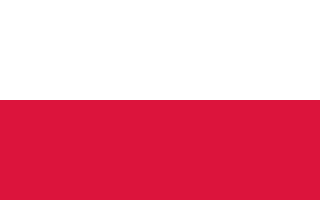
Flag of Poland

Poland

Europe

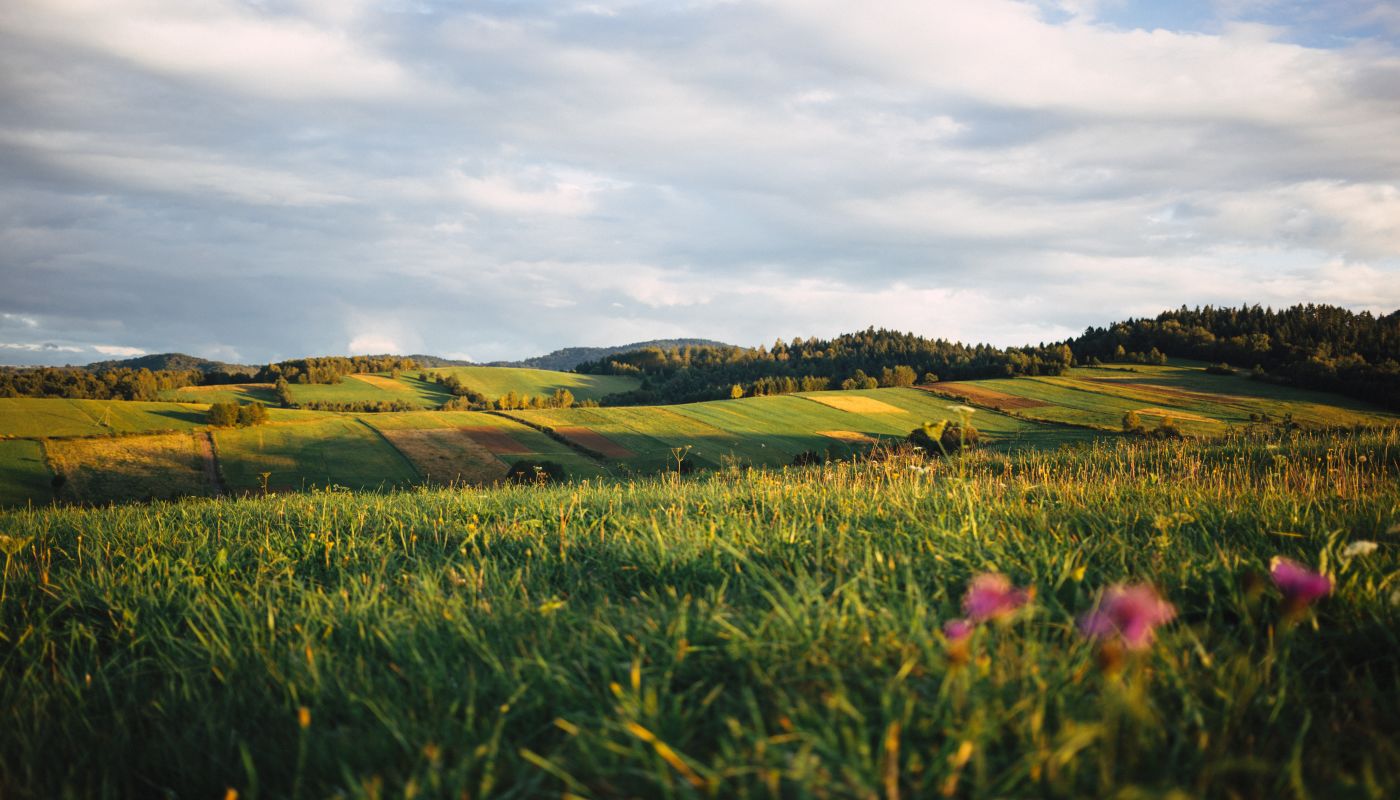
Poland is a large and diverse country located in Central Europe, known for its rich history, stunning cities, and natural landscapes. With a population of over 38 million people, Poland is a highly developed country that has made significant progress since the fall of communism in 1989. The country's economy is based on manufacturing, services, and natural resources, and it is one of the largest economies in the European Union. Despite concerns over democratic backsliding and tensions with the European Union, Poland has made progress in areas such as education, health care, and economic growth.

What would you like to learn about in Poland?

Select a section to explore the country where nonprofits are creating positive change.

About Poland

Poland's history as a state begins near the middle of the 10th century. By the mid-16th century, the Polish-Lithuanian Commonwealth ruled a vast tract of land in central and eastern Europe. During the 18th century, internal disorders weakened the nation, and in a series of agreements between 1772 and 1795, Russia, Prussia, and Austria partitioned Poland among themselves. Poland regained its independence in 1918 only to be overrun by Germany and the Soviet Union in World War II. It became a Soviet satellite state following the war, but its government was comparatively tolerant and progressive. Labor turmoil in 1980 led to the formation of the independent trade union "Solidarity" that over time became a political force with over ten million members. Free elections in 1989 and 1990 won Solidarity control of the parliament and the presidency, bringing the communist era to a close. A "shock therapy" program during the early 1990s enabled the country to transform its economy into one of the most robust in Central Europe. Poland joined NATO in 1999 and the European Union in 2004. With its transformation to a democratic, market-oriented country largely completed, Poland is an increasingly active member of Euro-Atlantic organizations.

Quick Facts

Population
38,383,809 (July 2013 est.)
Area
312,685 sq km
ISO Code
PL
Continent
Europe
Government
republic
Active Causes
12
View all countries in Europe

Geography & Environment

Climate

temperate with cold, cloudy, moderately severe winters with frequent precipitation; mild summers with frequent showers and thundershowers

Terrain

mostly flat plain; mountains along southern border

Natural Resources

coal, sulfur, copper, natural gas, silver, lead, salt, amber, arable land

Environmental Issues

situation has improved since 1989 due to decline in heavy industry and increased environmental concern by post-Communist governments; air pollution nonetheless remains serious because of sulfur dioxid...

People & Society

76.45 years
Avg. Life Expectancy
99.7%
Literacy Rate
60.9% of total population (2011)
Total Urban Population

Languages

Polish (official) 97.8%, other and unspecified 2.2% (2002 census)

Religions

Roman Catholic 89.8% [about 75% practicing], Eastern Orthodox 1.3%, Protestant 0.3%, other 0.3%, unspecified 8.3% (2002)

Health Expenditure

7.5% of GDP (2010) of GDP

Education Expenditure

5.1% of GDP (2009) of GDP

Economy

$20,900
GDP per Capita (PPP)
12.8%
Unemployment Rate
10.6% (2008 est.)
Below Poverty Line

Economic Overview

Poland has pursued a policy of economic liberalization since 1990 and Poland's economy was the only one in the European Union to avoid a recession through the 2008-09 economic downturn. Although EU membership and access to EU structural funds have provided a major boost to the economy since 2004, GDP per capita remains significantly below the EU average while unemployment continues to exceed the EU average. The government of Prime Minister Donald TUSK steered the Polish economy through the economic downturn by skillfully managing public finances without stifling economic growth and adopted con...

Causes in Poland

Environment

Poland, located in Central Europe, faces a range of environmental challenges that significantly impact its population and ecosystems. One of the most pressing issues is air pollution, with high levels of particulate matter and pollutants from coal-fired power plants contributing to respiratory problems and premature deaths. Deforestation is another key concern, as the country has lost a significant portion of its forests due to logging and urban expansion, threatening biodiversity and natural habitats. Additionally, water pollution from agricultural runoff and industrial activities poses risks to public health and water quality. These environmental issues not only affect the well-being of the Polish people but also contribute to global environmental degradation. Addressing these challenges requires a concerted effort from government, businesses, and individuals to promote sustainable practices and protect Poland's natural resources for future generations.

Family

In Poland, family holds significant importance, serving as the cornerstone of society and a source of strength for individuals. Poles commonly value close-knit family relationships, with extended families often residing in proximity to one another and maintaining strong bonds. Family gatherings and celebrations are cherished occasions where traditions are upheld and passed down through generations. The support and care provided by family members play a vital role in the well-being of individuals, offering emotional, financial, and social assistance. Furthermore, the family unit is central to Polish culture, shaping values, beliefs, and behaviors. Understanding the impact of family dynamics in Poland is crucial for appreciating the country's societal fabric and cultural heritage.

Human Rights

Poland, a country located in Central Europe, has a rich cultural heritage and a tumultuous history marked by periods of conflict and resilience. In recent years, Poland has faced scrutiny regarding its human rights record, particularly concerning issues such as freedom of speech, LGBT rights, and the independence of the judiciary. The government's policies have raised concerns among international organizations and human rights advocates, who argue that these actions may undermine the democratic principles and freedoms that are essential for a fair and just society. It is crucial for Poland to address these challenges and uphold its commitment to protect and promote human rights for all its citizens, regardless of their background or beliefs.

Education

In Poland, education plays a crucial role in shaping the country's economic development and social progress. The education system in Poland is highly structured and focuses on providing students with a strong foundation in various academic disciplines. With a literacy rate of over 99%, Poland places a high value on education and continuously invests in improving its educational infrastructure. Furthermore, education in Poland is considered a key driver of innovation and competitiveness, with a strong emphasis on STEM (science, technology, engineering, and mathematics) subjects. By fostering a well-educated workforce, Poland aims to enhance its global competitiveness and drive sustainable economic growth.

Poverty

Poland, a country located in Central Europe, has made significant economic progress since its transition to a market-oriented economy in the early 1990s. However, poverty remains a pressing issue that continues to affect a significant portion of the population. According to data from the Central Statistical Office of Poland, as of 2020, approximately 17% of Poles were at risk of poverty or social exclusion. Factors contributing to this high rate of poverty include regional disparities, low wages, high unemployment rates, and inadequate social welfare support. The impact of poverty in Poland is far-reaching, affecting individuals' access to education, healthcare, and overall quality of life. Addressing poverty in Poland requires comprehensive policies that aim to improve income distribution, create more job opportunities, and enhance social welfare programs to support those most vulnerable in society.

Religion

Religion plays a significant role in the cultural and social fabric of Poland, a country with a predominantly Catholic population. The influence of Catholicism in Poland dates back centuries and continues to shape various aspects of Polish society. The Catholic Church has historically been a powerful institution in Poland, providing not only spiritual guidance but also playing a role in shaping political and social attitudes. The strict adherence to Catholic values has influenced policies on issues such as abortion, same-sex marriage, and gender roles. In recent years, there has been a resurgence of conservative Catholic values in Polish politics, leading to debates and protests regarding the separation of church and state. Despite efforts to promote secularism, religion remains a defining element of Polish identity.

Clean Water

Poland, with a population of approximately 38 million, is a country in Central Europe known for its rich history and vibrant culture. Clean water plays a crucial role in the daily lives of the Polish people, affecting various aspects of their health and well-being. In recent years, Poland has faced challenges in maintaining water quality due to industrial pollution, agricultural runoff, and inadequate wastewater treatment infrastructure. Contaminated water sources can lead to serious health issues such as gastrointestinal illnesses, skin infections, and even long-term chronic diseases. Furthermore, polluted water bodies can harm aquatic ecosystems, impacting biodiversity and the overall environmental balance. As a result, ensuring access to clean water is essential for safeguarding public health, preserving the environment, and promoting sustainable development in Poland.

Economy

Poland, a country located in Central Europe, has a diverse economy that plays a significant role in shaping its society and development. The Polish economy is considered one of the largest in the European Union and has experienced substantial growth over the years. Industries such as manufacturing, agriculture, finance, and information technology are major contributors to Poland's economy. However, despite its economic progress, Poland faces challenges such as income inequality, unemployment, and regional disparities. These issues have social implications, impacting the quality of life for many citizens and creating barriers to economic advancement. It is crucial for policymakers and stakeholders to address these challenges to ensure sustainable growth and improve the well-being of all individuals in Poland.

Health

Poland, a country in Central Europe with a population of over 38 million, faces various health challenges that have significant impacts on its citizens. One of the primary health concerns in Poland is air pollution, particularly in major cities like Warsaw and Krakow, which has been linked to respiratory diseases and cardiovascular problems. Additionally, lifestyle factors such as high rates of smoking and alcohol consumption contribute to a higher prevalence of chronic conditions like cancer and cardiovascular diseases. The healthcare system in Poland also faces challenges with access to quality care and resources, leading to disparities in health outcomes among different socioeconomic groups. Addressing these issues requires a comprehensive approach involving public health campaigns, improved healthcare infrastructure, and policies aimed at promoting healthier lifestyles among the population.

Children

In Poland, children face various challenges that impact their well-being and development. Poverty remains a significant issue, with an estimated 20% of children living below the poverty line. This can lead to inadequate access to education, healthcare, and proper nutrition, impacting their physical and mental health. Additionally, there are concerns regarding child abuse and neglect, with reports indicating a concerning number of cases each year. Lack of proper support systems for children in vulnerable situations further exacerbates these issues. Addressing these challenges requires a concerted effort from policymakers, community organizations, and individuals to ensure the protection and well-being of Polish children.

Government

The government plays a significant role in shaping the socio-political landscape of Poland. The country operates under a parliamentary system with a President as the head of state and a Prime Minister as the head of government. The government of Poland has a direct impact on various aspects of society, including economic policies, social welfare programs, healthcare, education, and environmental regulations. The government's decisions on policies related to taxation, trade agreements, and foreign relations have far-reaching consequences for the country and its citizens. Additionally, the government's stance on issues such as human rights, freedom of speech, and minority rights also greatly influence the overall well-being of the population. It is crucial for citizens to stay informed and actively participate in the democratic process to ensure that their voices are heard and that government actions align with the best interests of the nation.

Animals

Poland, a country in Central Europe, boasts a rich biodiversity with its diverse ecosystems supporting numerous species of animals. However, these animals face various threats that impact not only their survival but also the overall ecosystem. Deforestation, habitat destruction, pollution, and climate change are some of the major factors contributing to the decline in wildlife populations in Poland. Endangered species such as the European bison, lynx, and wolf are particularly vulnerable to these threats. Conservation efforts and strict environmental policies are crucial in safeguarding the country's wildlife and ensuring a sustainable future for both animals and humans in Poland.

Nonprofits Working in Poland

Discover organizations making a difference in Poland

KENDALL OPTOMETRY MINISTRY INC

ORGANIZATIONAL MISSION STATEMENT With primary emphasis in underdeveloped countries, Kendall Optometry Ministry, Inc. was established in 2003 to spread the Word of our Lord and Savior Jesus Christ. This is accomplished by providing glasses to improve the vision of people living in many underdeveloped countries. These impoverished people can now see to read their Bible, and also improve their standard of living. Kendall Optometry Ministry, Inc (KOM) is a 501-3c non-profit organization formed to provide optical equipment and training to Christian optical mission teams traveling all over the world. The equipment and training is provided at no cost and supplies are provided at a break even price. Teams are responsible for building their own eyeglasses inventory but much assistance (in the form of training and software) is provided by KOM to assist in the building of this inventory. KOM also has a limited supply of barcoded glasses (prescription in barcode) which can be used to quickly build an inventory. A testimonial by the President. (Revised: 9/8/2018) I grew up in a Christian family. My father, M. H. Kendall , was a college professor and head of the religion department at Mars Hill College, Mars Hill, N.C. for nearly 40 years. I worked for 29 years for General Electric Appliances in Louisville, Ky. During the last 4 years I averaged several hundred thousand miles each year on international travel installing computer systems. All of this travel went flawlessly. God blessed me in everything that I did. It was something that I found to be obvious that God had a hand in my work. In July, 1999 I decided I would take one mission trip to Honduras working through an organization called "Baptist Medical Dental Mission International" (BMDMI.ORG). My intent was to "pay back the Lord" with this one mission trip. When I arrived in the village, I asked the team leader what he wanted me to do. He said he had several boxes of used prescription glasses to hand out. These glasses were dirty, broken, and not measured. As you can see in Figure 1 to the left (scroll down a bit), we just set them out on a table and people came by and tried them on until something helped them. I immediately knew this was wrong but it was the best we could do then. I came back from that trip with a God Given passion to do it better. Since 1999 I have gone to Honduras 27 times and Nicaragua 3 times. Each time something would be improved. The use of the autorefractor was introduced into Honduras in 2003 (to see Figure 2 scroll down a bit) and another one into Nicaragua in 2004. A special series of computer programs were developed to manage and build the inventory. You can review these programs at http://eyeglasses-Inventory.com/. Since 2003 of the 51 BMDMI mission teams more than 95% of these teams use the equipment and software developed by Kendall Optometry Ministry, Inc. In 2003 Kendall Optometry Ministry was incorporated as a 501-3c non-profit company. Using donations provided by several churches and individuals this company purchased a set of equipment which could be loaned out to Christian mission teams going all over the world. Later in 2005 a 2nd kit was purchased and in 2006 a 3rd and a 4th kit was purchased. In the beginning of 2007 a 5th kit was purchased. At the end of 2007 a 6th and 7th kit including a Retinomax 3 was purchased. By the end of 2009 the company owned 10 kits. In 2010 the company purchased two more kits. In 2011 the company purchased 1 more kit bringing the total to 13. By 2017 the company had purchased 18 kits. In 2018 KOM purchased kit number 19. See the growth of the company at this link. 2018 is only part of the year on this graph. Other teams will participate. The teams use this equipment to not only allow people to read their Bible but to also to help them improve their standard of living. You can read about some of these teams in the Teams Supported area of this web site. Tell us about your Christian mission team. Let us help you be more effective in your work for the Lord. If you would like our help send an E-Mail to: HollandKendall@kendalloptoministry.org Holland Kendall, President Kendall Optometry Ministry, Inc.

LOUISVILLE, Kentucky

Make Your Impact Today

Discover causes you care about and support the nonprofits making a difference in communities around the world.

Are you a nonprofit? Join Project World Impact for free

Join Us Free