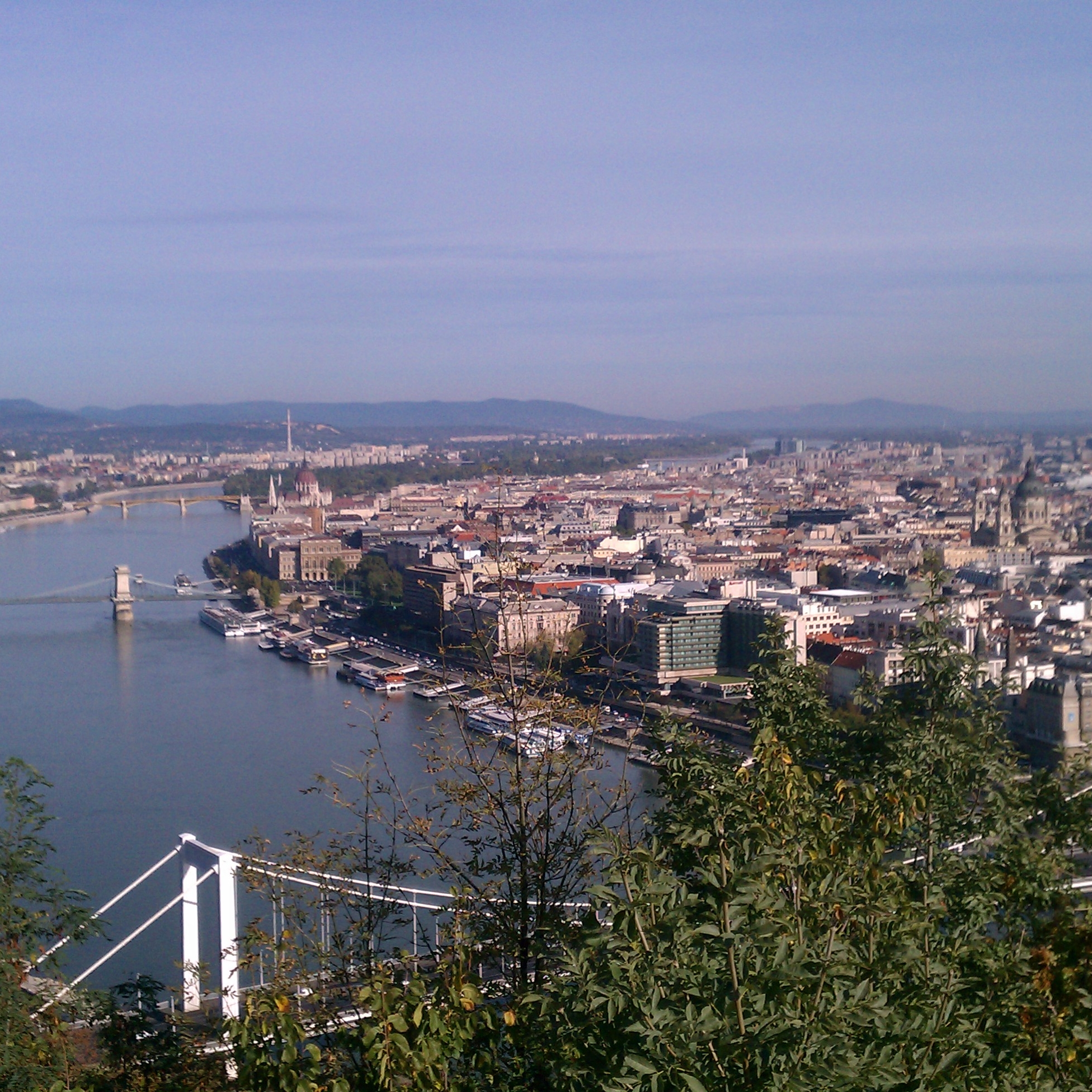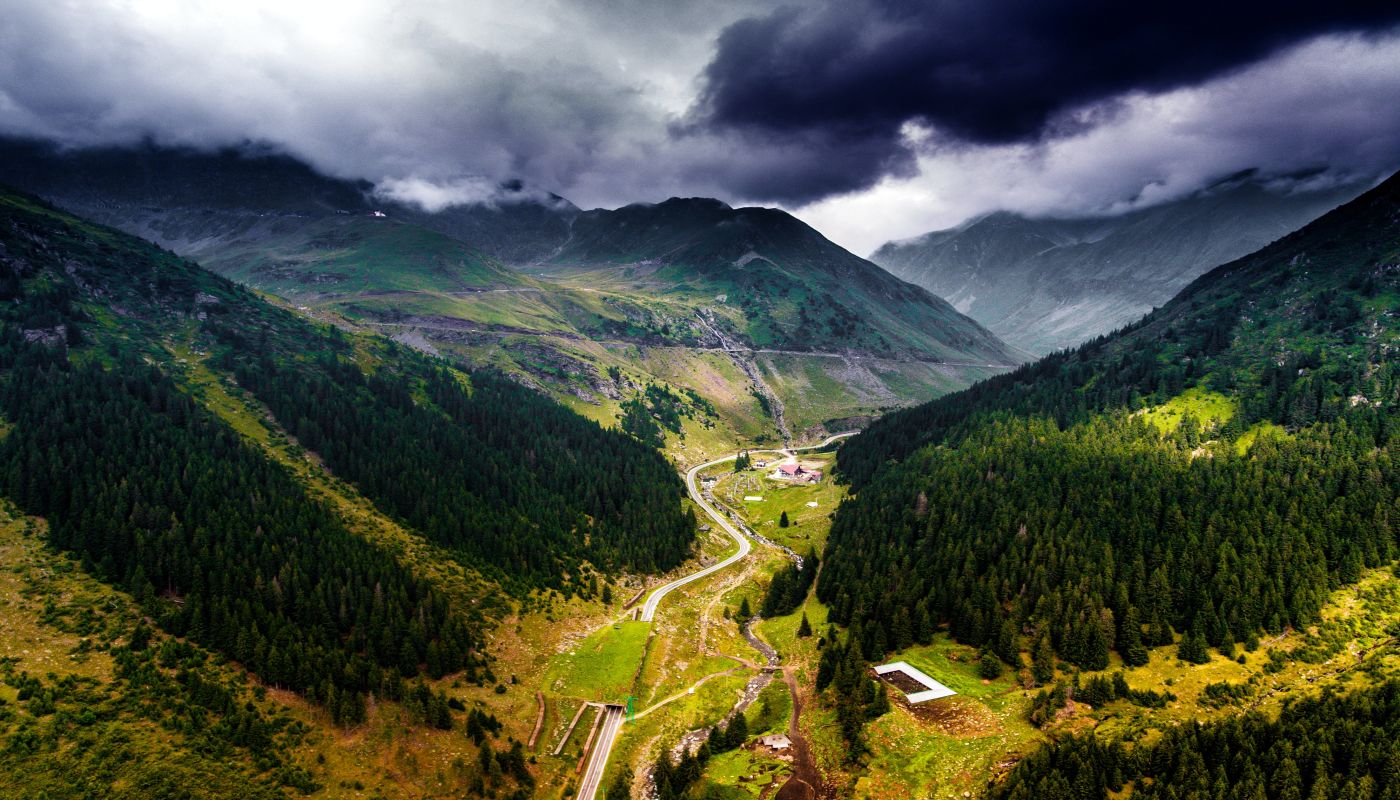
Landscape of Romania
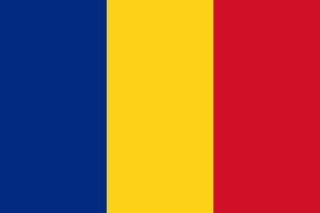
Flag of Romania

Romania

Europe

Romania is a country located in southeastern Europe with a population of approximately 19 million. The country is known for its rich cultural heritage, including traditional music and dance, as well as its stunning architecture and natural landscapes. Romania has a diverse economy, including industries such as agriculture, manufacturing, and technology. Despite challenges such as corruption and concerns over democratic backsliding, Romania has made progress in areas such as education, health care, and economic growth.

What would you like to learn about in Romania?

Select a section to explore the country where nonprofits are creating positive change.

About Romania

The principalities of Wallachia and Moldavia - for centuries under the suzerainty of the Turkish Ottoman Empire - secured their autonomy in 1856; they were de facto linked in 1859 and formally united in 1862 under the new name of Romania. The country gained recognition of its independence in 1878. It joined the Allied Powers in World War I and acquired new territories - most notably Transylvania - following the conflict. In 1940, Romania allied with the Axis powers and participated in the 1941 German invasion of the USSR. Three years later, overrun by the Soviets, Romania signed an armistice. The post-war Soviet occupation led to the formation of a communist "people's republic" in 1947 and the abdication of the king. The decades-long rule of dictator Nicolae CEAUSESCU, who took power in 1965, and his Securitate police state became increasingly oppressive and draconian through the 1980s. CEAUSESCU was overthrown and executed in late 1989. Former communists dominated the government until 1996 when they were swept from power. Romania joined NATO in 2004 and the EU in 2007.

Quick Facts

Population
21,790,479 (July 2013 est.)
Area
238,391 sq km
ISO Code
RO
Continent
Europe
Government
republic
Active Causes
12
View all countries in Europe

Geography & Environment

Climate

temperate; cold, cloudy winters with frequent snow and fog; sunny summers with frequent showers and thunderstorms

Terrain

central Transylvanian Basin is separated from the Moldavian Plateau on the east by the Eastern Carpathian Mountains and separated from the Walachian Plain on the south by the Transylvanian Alps

Natural Resources

petroleum (reserves declining), timber, natural gas, coal, iron ore, salt, arable land, hydropower

Environmental Issues

soil erosion and degradation; water pollution; air pollution in south from industrial effluents; contamination of Danube delta wetlands

People & Society

74.45 years
Avg. Life Expectancy
97.7%
Literacy Rate
52.8% of total population (2011)
Total Urban Population

Languages

Romanian (official) 91%, Hungarian 6.7%, Romany (Gypsy) 1.1%, other 1.2%

Religions

Eastern Orthodox (including all sub-denominations) 86.8%, Protestant (various denominations including Reformate and Pentecostal) 7.5%, Roman Catholic...

Health Expenditure

5.6% of GDP (2010) of GDP

Education Expenditure

4.3% of GDP (2009) of GDP

Economy

$13,000
GDP per Capita (PPP)
5.6%
Unemployment Rate
22.2% (2011 est.)
Below Poverty Line

Economic Overview

Romania, which joined the European Union on 1 January 2007, began the transition from Communism in 1989 with a largely obsolete industrial base and a pattern of output unsuited to the country's needs. The country emerged in 2000 from a punishing three-year recession thanks to strong demand in EU export markets. Domestic consumption and investment fueled strong GDP growth, but led to large current account imbalances. Romania's macroeconomic gains have only recently started to spur creation of a middle class and to address Romania''s widespread poverty. Corruption and red tape continue to permea...

Causes in Romania

Environment

Romania, a country in southeastern Europe, is home to diverse landscapes ranging from the Carpathian Mountains to the Black Sea coast. The environment plays a significant role in shaping the livelihoods of its inhabitants. Deforestation, industrial pollution, and illegal waste disposal are some of the major environmental concerns impacting Romania. The country's rich biodiversity is threatened by habitat destruction and climate change, putting species at risk of extinction. Additionally, poor air quality in urban areas poses health risks to the population. Efforts are being made to address these challenges through legislation and conservation initiatives, but more awareness and action are needed to protect Romania's environment for future generations. (Source: World Wildlife Fund, European Environment Agency)

Family

Family plays a crucial role in Romanian society, deeply rooted in traditional values and customs. In Romania, family is considered the cornerstone of social structure and plays a significant role in shaping individuals' identities and behaviors. Families in Romania tend to be close-knit, with strong bonds between relatives across generations. The concept of family extends beyond just immediate family members to include extended relatives who often play a vital role in providing support and guidance. The support system within families is essential, especially during challenging times, such as economic hardships or political instability. Furthermore, family gatherings and celebrations hold great importance in Romanian culture, serving as occasions to strengthen familial ties and pass down traditions. Overall, the influence of family in Romania is profound and contributes significantly to the country's social fabric.

Human Rights

Romania, a country located in Southeastern Europe, has made significant strides in promoting and protecting human rights over the years. However, challenges still persist, particularly in areas such as discrimination against minorities, gender inequality, and corruption within the justice system. The impact of human rights violations in Romania can be seen through marginalized communities facing limited access to education, healthcare, and employment opportunities. Additionally, the lack of accountability for human rights abuses undermines trust in governmental institutions and hinders social progress. By addressing these issues and upholding human rights principles, Romania can foster a more inclusive and equitable society for all its citizens.

Education

In Romania, education plays a crucial role in shaping the country's socio-economic landscape. Despite continuous efforts to improve the education system, challenges persist, particularly in rural areas where access to quality education is limited. This disparity contributes to widening the gap between urban and rural communities, leading to unequal opportunities for personal and professional development. Furthermore, the lack of adequate resources and infrastructure hinders the overall effectiveness of the education system in Romania. Addressing these issues requires a concerted effort from policymakers, educators, and communities to ensure that all individuals have equal access to quality education, thereby fostering social mobility and sustainable development.

Poverty

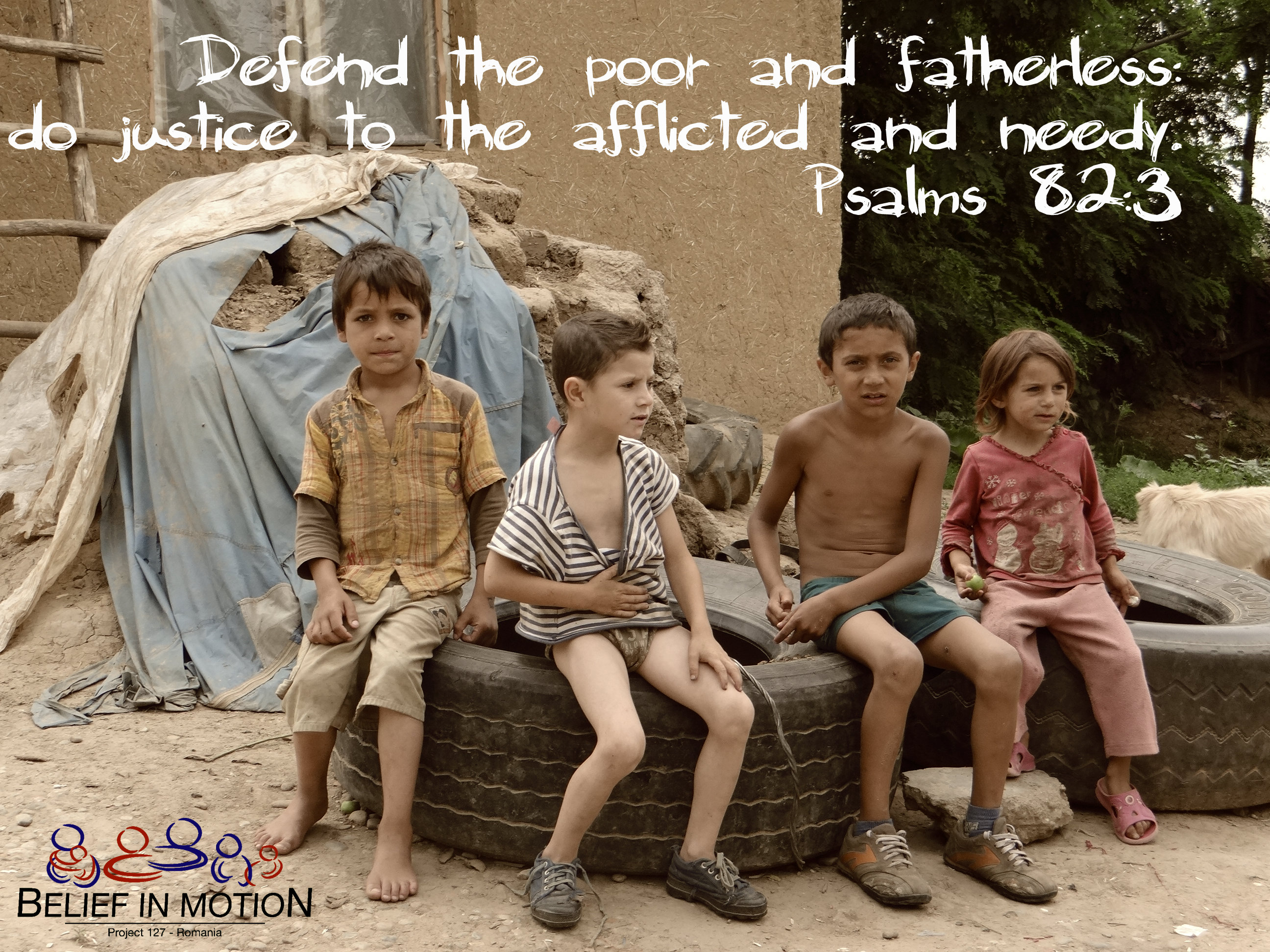
Romania, a country located in Southeast Europe, faces significant challenges related to poverty. Despite being a member of the European Union, poverty remains a pressing issue with approximately 23.5% of the population living below the national poverty line. The impact of poverty in Romania is far-reaching, affecting access to education, healthcare, and adequate housing. Children are particularly vulnerable, with almost one-third living in poverty, which can have long-lasting effects on their development and future opportunities. Factors such as low wages, high unemployment rates, and limited social assistance contribute to the persistence of poverty in Romania. Addressing these root causes is crucial to improving the well-being of its citizens and fostering sustainable development in the country.

Religion

Religion holds significant influence in Romania, a country where Eastern Orthodox Christianity is the predominant faith. The Romanian Orthodox Church plays a central role in the lives of many Romanians, shaping their cultural identity and societal norms. The strong presence of religion in Romania is evident in various aspects of daily life, including traditions, holidays, and family dynamics. Additionally, religious institutions often provide social services and support to communities across the country. Despite the separation of church and state, religion continues to hold a prominent place in Romanian society.

Clean Water

Romania, a country situated in Southeastern Europe, faces significant challenges when it comes to clean water accessibility. Despite having abundant water resources, issues such as industrial pollution, outdated infrastructure, and agricultural runoff have led to water contamination in various regions. This contamination not only affects the quality of drinking water but also has severe environmental consequences, such as harming aquatic ecosystems and biodiversity. Furthermore, rural areas and marginalized communities often bear the brunt of inadequate access to clean water, leading to health problems and perpetuating social inequalities. Addressing these challenges requires concerted efforts from policymakers, industries, and communities to invest in sustainable water management practices and infrastructure upgrades. By prioritizing clean water initiatives, Romania can safeguard public health, protect its natural environment, and promote equitable access to this essential resource.

Economy

Romania is a country in Eastern Europe with a diverse economy that has undergone significant transformations since the fall of communism in 1989. The economy of Romania is heavily reliant on sectors such as agriculture, manufacturing, services, and energy. Economic growth has been steady in recent years, however, the country still faces challenges such as corruption, inadequate infrastructure, and a high poverty rate. The impact of the economy on Romania is far-reaching, influencing factors such as employment rates, wages, standard of living, and access to healthcare and education. A strong economy can lead to improved living standards for the population, while a weak economy can result in increased inequality and social unrest. It is crucial for Romania to address these challenges in order to achieve sustainable economic growth and ensure the well-being of its citizens.

Government

Romania, a country located in Southeastern Europe, has a complex history intertwined with various political shifts and reforms. The Romanian government plays a crucial role in shaping the nation's socio-economic landscape, as its policies and decisions directly impact the lives of its citizens. Issues such as corruption, inadequate infrastructure, and economic inequality pose significant challenges to Romania's development. The government's efforts to address these issues through legislation, anti-corruption measures, and infrastructure investments are essential to improving the quality of life for its people. By promoting transparency, accountability, and sustainable development, the Romanian government can foster a more prosperous and equitable society for all its citizens.

Health

Health plays a pivotal role in shaping the well-being of the population in Romania. The country faces various health challenges, including high rates of smoking, alcohol consumption, and a prevalence of non-communicable diseases such as cardiovascular diseases and cancer. These factors contribute to Romania having one of the lowest life expectancies in the European Union. Additionally, the healthcare system in Romania faces significant challenges, including underfunding, staff shortages, and unequal access to healthcare services between urban and rural areas. These issues highlight the urgent need for increased investment in healthcare infrastructure, prevention programs, and access to quality healthcare services to improve the overall health outcomes of the Romanian population.

Children

Romania, a country located in Southeastern Europe, has made significant strides in improving the well-being of its children over the years. However, numerous challenges still persist, impacting the lives of many young individuals in the country. Poverty remains a major issue affecting children in Romania, with approximately 25% of children living below the poverty line. This has a direct impact on their access to education, healthcare, and overall quality of life. Furthermore, child abandonment and institutionalization continue to be prevalent issues, with many children being placed in state-run institutions due to various social and economic factors. These circumstances can have long-lasting effects on children's physical and mental development, hindering their ability to reach their full potential. It is crucial for both governmental and non-governmental organizations to work together to address these issues and ensure a better future for the children of Romania.

Animals

Romania, situated in Southeastern Europe, is home to a diverse range of wildlife, including brown bears, wolves, lynx, and various bird species. However, these animals face numerous threats that impact both their populations and the environment. Deforestation, illegal hunting, habitat destruction due to urbanization, and pollution are some of the major factors contributing to the decline of animal species in Romania. These activities not only disrupt the delicate balance of the ecosystem but also endanger the survival of many native species. Conservation efforts are crucial in protecting Romania's rich biodiversity and ensuring a sustainable future for its wildlife.

Nonprofits Working in Romania

Discover organizations making a difference in Romania

Make Your Impact Today

Discover causes you care about and support the nonprofits making a difference in communities around the world.

Are you a nonprofit? Join Project World Impact for free

Join Us Free