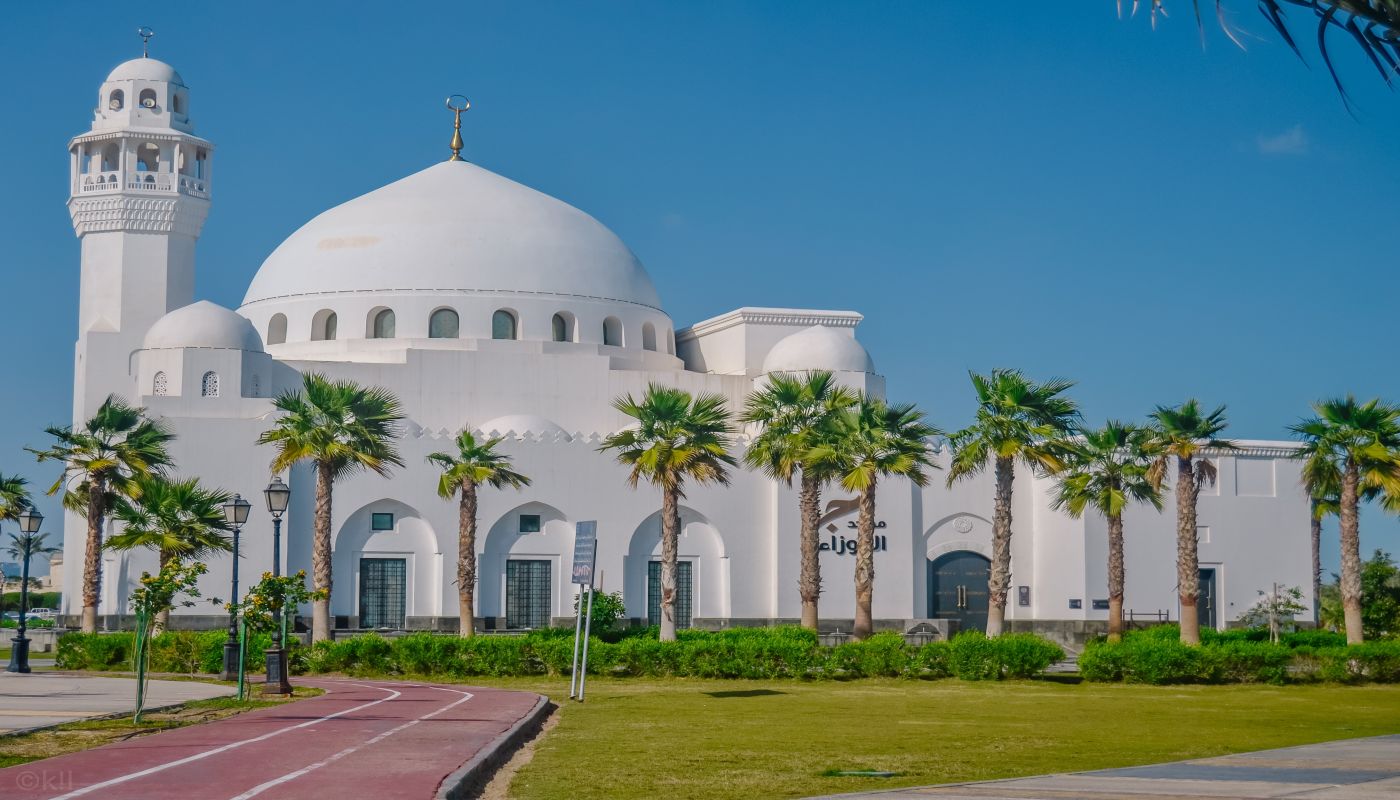
Landscape of Saudi Arabia
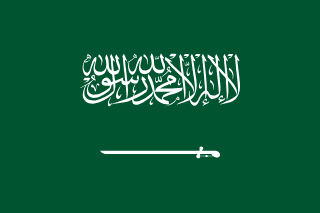
Flag of Saudi Arabia

Saudi Arabia

Asia

Saudi Arabia is a wealthy and oil-rich country located in the Middle East, known for its stunning desert landscapes and modern cities.. With a population of over 34 million people, Saudi Arabia is a highly developed country that has made significant progress in areas such as healthcare, education, and infrastructure. The country's economy is heavily reliant on oil exports, but the government is working to diversify into other sectors. Saudi Arabia faces challenges related to human rights and gender inequality, but it is also making progress in these areas.

What would you like to learn about in Saudi Arabia?

Select a section to explore the country where nonprofits are creating positive change.

About Saudi Arabia

Saudi Arabia is the birthplace of Islam and home to Islam's two holiest shrines in Mecca and Medina. The king's official title is the Custodian of the Two Holy Mosques. The modern Saudi state was founded in 1932 by ABD AL-AZIZ bin Abd al-Rahman Al SAUD (Ibn Saud) after a 30-year campaign to unify most of the Arabian Peninsula. One of his male descendants rules the country today, as required by the country's 1992 Basic Law. King ABDALLAH bin Abd al-Aziz ascended to the throne in 2005. Following Iraq's invasion of Kuwait in 1990, Saudi Arabia accepted the Kuwaiti royal family and 400,000 refugees while allowing Western and Arab troops to deploy on its soil for the liberation of Kuwait the following year. The continuing presence of foreign troops on Saudi soil after the liberation of Kuwait became a source of tension between the royal family and the public until all operational US troops left the country in 2003. Major terrorist attacks in May and November 2003 spurred a strong on-going campaign against domestic terrorism and extremism. King ABDALLAH has continued the cautious reform program begun when he was crown prince. The king instituted an interfaith dialogue initiative in 2008 to encourage religious tolerance on a global level; in 2009, he reshuffled the cabinet, which led to more moderates holding ministerial and judicial positions, and appointed the first female to the cabinet. The 2010-12 uprisings across Middle Eastern and North African countries sparked modest incidents in Saudi cities, predominantly by Shia demonstrators calling for the release of detainees and the withdrawal from Bahrain of the Gulf Cooperation Council's Peninsula Shield Force. Protests in general were met by a strong police presence, with some arrests, but not the level of bloodshed seen in protests elsewhere in the region. In response to the unrest, King ABDALLAH in February and March 2011 announced a series of benefits to Saudi citizens including funds to build affordable housing, salary increases for government workers, and unemployment entitlements. To promote increased political participation, the government held elections nationwide in September 2011 for half the members of 285 municipal councils. Also in September, the king announced that women will be allowed to run for and vote in future municipal elections - first held in 2005 - and serve as full members of the advisory Consultative Council. During 2012, Shia protests increased in violence, while peaceful Sunni protests expanded. The country remains a leading producer of oil and natural gas and holds about 17% of the world's proven oil reserves. The government continues to pursue economic reform and diversification, particularly since Saudi Arabia's accession to the WTO in December 2005, and promotes foreign investment in the kingdom. A burgeoning population, aquifer depletion, and an economy largely dependent on petroleum output and prices are ongoing governmental concerns.

Quick Facts

Population
26,939,583 (July 2013 est.)
Area
2,149,690 sq km
ISO Code
SA
Continent
Asia
Government
monarchy
Active Causes
12
View all countries in Asia

Geography & Environment

Climate

harsh, dry desert with great temperature extremes

Terrain

mostly uninhabited, sandy desert

Natural Resources

petroleum, natural gas, iron ore, gold, copper

Environmental Issues

desertification; depletion of underground water resources; the lack of perennial rivers or permanent water bodies has prompted the development of extensive seawater desalination facilities; coastal po...

People & Society

74.58 years
Avg. Life Expectancy
87.2%
Literacy Rate
82.3% of total population (2011)
Total Urban Population

Languages

Arabic (official)

Religions

Muslim (official) 100%

Health Expenditure

4.3% of GDP (2010) of GDP

Education Expenditure

5.6% of GDP (2008) of GDP

Economy

$31,800
GDP per Capita (PPP)
10.6%
Unemployment Rate
NA%
Below Poverty Line

Economic Overview

Saudi Arabia has an oil-based economy with strong government controls over major economic activities. It possesses about 17% of the world's proven petroleum reserves, ranks as the largest exporter of petroleum, and plays a leading role in OPEC. The petroleum sector accounts for roughly 80% of budget revenues, 45% of GDP, and 90% of export earnings. Saudi Arabia is encouraging the growth of the private sector in order to diversify its economy and to employ more Saudi nationals. Diversification efforts are focusing on power generation, telecommunications, natural gas exploration, and petrochemic...

Causes in Saudi Arabia

Environment

Saudi Arabia, a country characterized by vast deserts and limited water resources, faces significant environmental challenges that impact its population and economy. The arid climate and scarce rainfall in the region contribute to water scarcity, which is exacerbated by high levels of water consumption, primarily for agriculture and domestic use. This reliance on water-intensive activities has led to rapid depletion of groundwater reserves, posing a serious threat to the country's long-term water security. Furthermore, the extraction and burning of fossil fuels for energy production have contributed to air pollution, impacting public health and exacerbating respiratory diseases. Addressing these environmental issues is crucial for Saudi Arabia to ensure sustainable development and safeguard the well-being of its citizens.

Family

Family holds a significant role in the societal fabric of Saudi Arabia, shaping individual identities and influencing various aspects of life. In this conservative Islamic society, family is considered the cornerstone of social structure, with strong emphasis placed on familial bonds, respect for elders, and traditional values. The family unit in Saudi Arabia typically extends beyond just parents and children to include grandparents, aunts, uncles, and cousins, forming tight-knit networks of support and interdependence. This emphasis on family plays a crucial role in decision-making processes, particularly regarding marriage, education, and career choices. Furthermore, familial ties serve as a source of emotional support and financial security for individuals, fostering a sense of belonging and continuity within the community. However, it is important to note that while family provides a sense of stability and cohesion, it can also perpetuate certain societal norms and expectations that may limit individual autonomy and diversity within the society.

Human Rights

Saudi Arabia has been the subject of significant scrutiny regarding its human rights record. The country's strict interpretation of Islamic law, known as Sharia, has resulted in limited freedoms for its citizens, particularly women and religious minorities. Practices such as gender segregation, restrictions on freedom of expression, and harsh punishments have drawn international criticism. The Saudi government has also faced condemnation for its treatment of political dissidents and human rights activists. While efforts have been made in recent years to improve the situation, including legal reforms and initiatives to enhance women's rights, significant challenges remain in ensuring full respect for human rights in the kingdom.

Education

Saudi Arabia has made significant strides in improving its education system over the years. Education plays a crucial role in the country's development by preparing its citizens for the challenges of the modern world and fostering economic growth. The government has implemented various initiatives to enhance the quality of education, increase literacy rates, and promote lifelong learning opportunities for all. Despite these efforts, challenges such as gender disparities and access to quality education in remote areas still exist. By investing in education, Saudi Arabia is not only shaping the future of its citizens but also driving progress and innovation in various sectors of the economy. Source: "Education in Saudi Arabia." World Education News + Reviews, www.wes.org/ca/wenr/education-in-saudi-arabia/.

Poverty

In Saudi Arabia, poverty remains a significant concern despite its status as a wealthy nation due to its oil reserves. The country faces challenges such as high unemployment rates, particularly among the youth, inadequate social services, and income inequality. According to the World Bank, around 20% of Saudi citizens are at risk of poverty, with many struggling to meet basic needs such as housing, healthcare, and education. The impact of poverty in Saudi Arabia is far-reaching, affecting individuals' quality of life and overall social cohesion. Addressing poverty in the kingdom requires a comprehensive approach that focuses on creating more job opportunities, improving access to essential services, and promoting economic diversification to reduce reliance on oil revenues.

Religion

Religion holds significant importance in Saudi Arabia, where Islam is the state religion and plays a crucial role in shaping the country's cultural, social, and political landscapes. The strict interpretation of Sunni Islam, particularly the Wahhabi sect, influences various aspects of Saudi society, including laws, governance, education, and daily life. The country's legal system is based on Sharia law, leading to conservative social norms and practices. Mosques are central to community life, and religious obligations such as fasting during Ramadan are widely observed. Religious police enforce adherence to Islamic codes of conduct, impacting personal freedoms and behaviors within the kingdom. The influence of religion also extends to Saudi Arabia's foreign policy decisions, positioning the country as a leading voice in the Muslim world. Understanding the deep-rooted connection between religion and society in Saudi Arabia is essential for comprehending the country's dynamics and complexities.

Clean Water

Saudi Arabia faces significant challenges in ensuring access to clean water due to its arid climate and limited freshwater resources. The country relies heavily on desalination plants to meet its water needs, consuming vast amounts of energy in the process. Despite these efforts, water scarcity remains a pressing issue, exacerbated by rapid population growth and unsustainable agricultural practices. The lack of clean water not only affects public health but also hinders economic development and environmental sustainability in the region. To address this challenge, Saudi Arabia has implemented various strategies such as promoting water conservation measures, investing in wastewater treatment facilities, and exploring alternative water sources. However, concerted efforts are needed to ensure sustainable water management practices and secure a reliable supply of clean water for current and future generations in Saudi Arabia.

Economy

Saudi Arabia, as a major player in the Middle East region, has a robust economy largely dependent on oil production and exports. The economy of Saudi Arabia is heavily influenced by fluctuations in global oil prices, as oil revenues account for a significant portion of the country's GDP. This reliance on oil has made the Saudi economy susceptible to volatility, as seen in recent years with the fluctuating oil prices affecting the country's fiscal stability and economic growth. Additionally, the COVID-19 pandemic further exacerbated these challenges, leading to a decline in oil demand and prices, impacting the country's revenue streams and overall economic performance. In response to these challenges, Saudi Arabia has been implementing economic diversification initiatives to reduce its dependence on oil and create a more sustainable economy for the future.

Government

Saudi Arabia is a country located in the Middle East, known for its vast oil reserves and significant influence in the region. The government of Saudi Arabia plays a crucial role in shaping the country's policies and decisions, impacting various aspects of society and economy. The Saudi government is an absolute monarchy, with power concentrated in the hands of the ruling royal family. This system of governance has led to criticisms of limited political freedoms and human rights abuses within the country. The government's policies also have implications for global energy markets, given Saudi Arabia's status as one of the world's leading oil producers. Additionally, the government's approach to social and cultural issues, such as gender equality and religious practices, has wide-reaching effects on the lives of Saudi citizens. Overall, the government of Saudi Arabia wields significant influence over the country and beyond, shaping both domestic and international affairs.

Health

Saudi Arabia faces significant health challenges due to various factors such as lifestyle changes, increasing urbanization, and a high prevalence of non-communicable diseases. The country has seen a rise in chronic conditions like obesity, diabetes, and cardiovascular diseases, which have become major public health concerns. Limited physical activity, unhealthy dietary habits, and the prevalence of smoking contribute to the burden of these diseases. Additionally, the healthcare system in Saudi Arabia faces challenges in terms of accessibility, quality of care, and availability of healthcare professionals in rural areas. Addressing these health issues is crucial to improving the overall well-being and quality of life of the population in Saudi Arabia.

Children

In Saudi Arabia, children are significantly impacted by various societal factors. One prominent issue affecting children in the country is the high rate of child marriage, with girls as young as 13 being married off to older men. This practice not only robs these young girls of their childhood but also exposes them to a range of physical and emotional health risks. Moreover, access to quality education remains a challenge for many children in Saudi Arabia, particularly girls in rural areas. Despite efforts to improve educational opportunities, disparities still exist, limiting children's potential for growth and development. Additionally, the recent conflict in Yemen has led to an influx of Yemeni refugee children into Saudi Arabia, further straining resources and services for vulnerable populations. Addressing these challenges is crucial to ensuring a brighter future for all children in Saudi Arabia.

Animals

In Saudi Arabia, animals play a significant role in the culture and economy of the country. The Saudi Arabian desert is home to various species of wildlife such as Arabian oryx, sand gazelles, and desert hedgehogs, which are essential to the ecosystem. Camels are also highly valued for their ability to thrive in the harsh desert conditions and are used for transportation, milk, and meat production. Additionally, falconry is a popular traditional sport in Saudi Arabia, where falcons are trained for hunting. Despite the cultural importance of animals in Saudi Arabia, there are challenges such as habitat destruction, poaching, and illegal wildlife trade that threaten the survival of many species. Conservation efforts and awareness campaigns are crucial in protecting the rich biodiversity of Saudi Arabia and preserving its natural heritage.

Nonprofits Working in Saudi Arabia

Discover organizations making a difference in Saudi Arabia

Handid Braille Services

Handid Braille Services

Handid Braille Services provides timely delivery of media (including braille transcriptions, tactile graphics, large print, and online resources) in soft or hard-copy, proofreading, consulting and research facilitating creation, preparation and production of media for visually-impaired readers, with a focus on public-facing organizations and institutions. But organizations that could and should be producing braille documents and accessible online media often don't consider it when planning and budgeting. This means that producing braille becomes an extra cost they did not consider, which unfortunately leads to uncertainty and hesitation. Handid Braille Services is a 501(c)(3) corporation that uses resources from your donations to reduce or remove costs to organizations for producing braille and accessible content, thereby increasing access to braille and accessible media for readers who are blind and low vision.

., Idaho

Make Your Impact Today

Discover causes you care about and support the nonprofits making a difference in communities around the world.

Are you a nonprofit? Join Project World Impact for free

Join Us Free