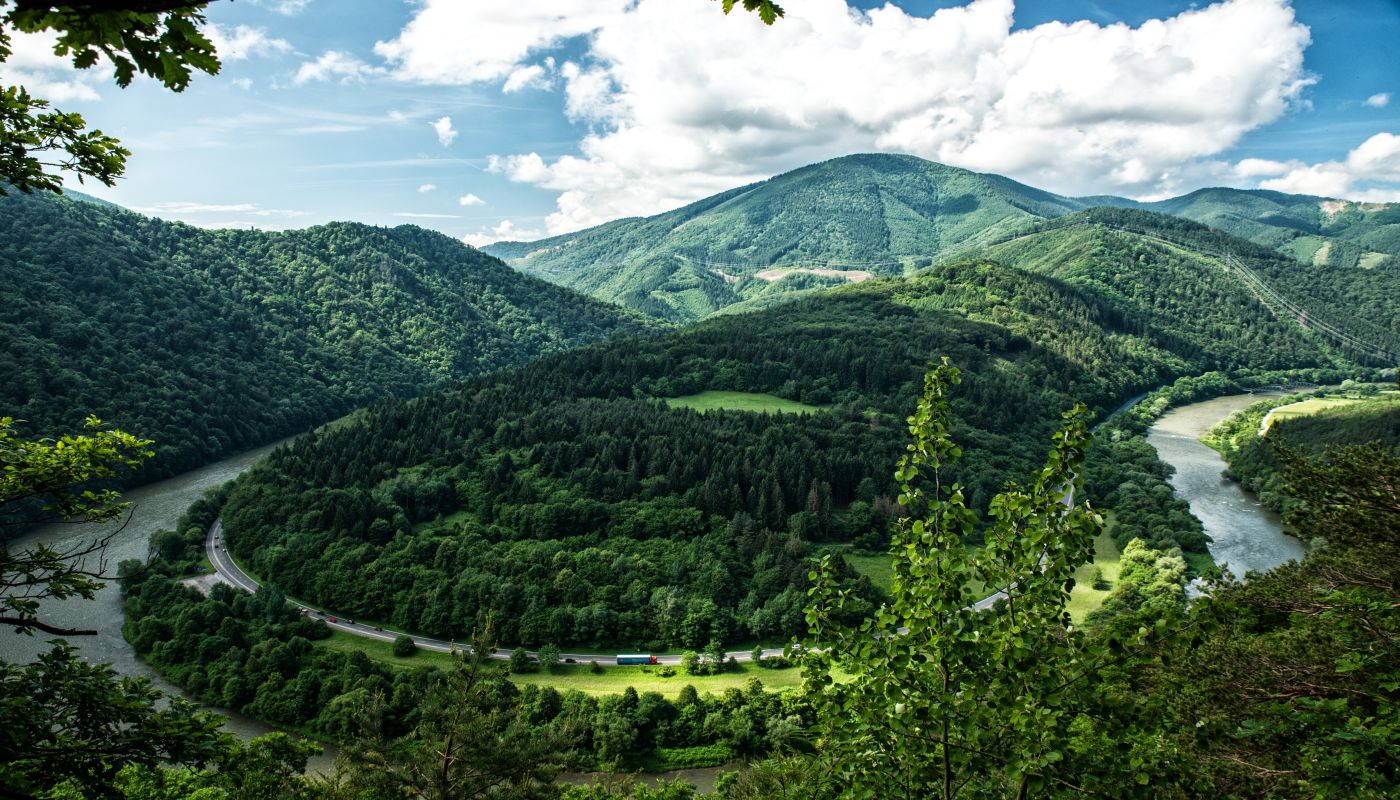
Landscape of Slovakia
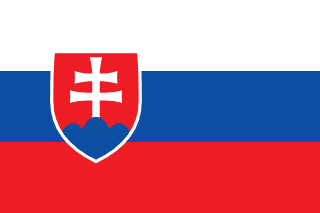
Flag of Slovakia

Slovakia

Europe

Slovakia is a landlocked country in Central Europe with a population of approximately 5.5 million. The country is known for its stunning natural landscapes, including mountains, forests, and lakes. Slovakia has a diverse economy, including industries such as manufacturing, automotive, and information technology. The country has made progress in areas such as education, health care, and economic growth.

What would you like to learn about in Slovakia?

Select a section to explore the country where nonprofits are creating positive change.

About Slovakia

Slovakia's roots can be traced to the 9th century state of Great Moravia. Subsequently, the Slovaks became part of the Hungarian Kingdom, where they remained for the next 1,000 years. Following the formation of the dual Austro-Hungarian monarchy in 1867, language and education policies favoring the use of Hungarian (Magyarization) resulted in a strengthening of Slovak nationalism and a cultivation of cultural ties with the closely related Czechs, who were under Austrian rule. After the dissolution of the Austro-Hungarian Empire at the close of World War I, the Slovaks joined the Czechs to form Czechoslovakia. During the interwar period, Slovak nationalist leaders pushed for autonomy within Czechoslovakia, and in 1939 Slovakia became an independent state allied with Nazi Germany. Following World War II, Czechoslovakia was reconstituted and came under communist rule within Soviet-dominated Eastern Europe. In 1968, an invasion by Warsaw Pact troops ended the efforts of the country's leaders to liberalize communist rule and create "socialism with a human face," ushering in a period of repression known as "normalization." The peaceful "Velvet Revolution" swept the Communist Party from power at the end of 1989 and inaugurated a return to democratic rule and a market economy. On 1 January 1993, the country underwent a nonviolent "velvet divorce" into its two national components, Slovakia and the Czech Republic. Slovakia joined both NATO and the EU in the spring of 2004 and the euro zone on 1 January 2009.

Quick Facts

Population
5,488,339 (July 2013 est.)
Area
49,035 sq km
ISO Code
SK
Continent
Europe
Government
parliamentary democracy
Active Causes
12
View all countries in Europe

Geography & Environment

Climate

temperate; cool summers; cold, cloudy, humid winters

Terrain

rugged mountains in the central and northern part and lowlands in the south

Natural Resources

brown coal and lignite; small amounts of iron ore, copper and manganese ore; salt; arable land

Environmental Issues

air pollution from metallurgical plants presents human health risks; acid rain damaging forests

People & Society

76.24 years
Avg. Life Expectancy
99.6%
Literacy Rate
54.7% of total population (2011)
Total Urban Population

Languages

Slovak (official) 83.9%, Hungarian 10.7%, Roma 1.8%, Ukrainian 1%, other or unspecified 2.6% (2001 census)

Religions

Roman Catholic 68.9%, Protestant 10.8%, Greek Catholic 4.1%, other or unspecified 3.2%, none 13% (2001 census)

Health Expenditure

8.8% of GDP (2010) of GDP

Education Expenditure

4.1% of GDP (2009) of GDP

Economy

$24,600
GDP per Capita (PPP)
13.6%
Unemployment Rate
21% (2002)
Below Poverty Line

Economic Overview

Slovakia has made significant economic reforms since its separation from the Czech Republic in 1993. Reforms to the taxation, healthcare, pension, and social welfare systems helped Slovakia consolidate its budget and get on track to join the EU in 2004 after a period of relative stagnation in the early and mid 1990s and to adopt the euro in January 2009. Major privatizations are nearly complete, the banking sector is almost entirely in foreign hands, and the government has helped facilitate a foreign investment boom with business friendly policies. Slovakia's economic growth exceeded expectati...

Causes in Slovakia

Family

In Slovakia, family plays a significant role in shaping individuals and communities. Traditionally, Slovak families are known for their strong emphasis on unity, support, and loyalty. Family ties are deeply valued, and multigenerational households are common, with grandparents often playing an active role in raising grandchildren. The concept of family extends beyond blood relations to include close friends and neighbors, creating a sense of belonging and shared responsibility within communities. This emphasis on family cohesion has been linked to the country's cultural heritage and historical experiences, influencing social norms and values. As a result, family dynamics impact various aspects of Slovak life, including decision-making processes, social interactions, and overall well-being.

Human Rights

Slovakia, a Central European country, has made significant strides in upholding human rights since its independence in 1993. However, challenges persist, particularly in the areas of discrimination against marginalized groups such as the Roma population, women, and the LGBTQ+ community. The government has implemented various policies and programs to address these issues, but more efforts are needed to ensure equality and justice for all citizens. Human rights violations, including police brutality and limited access to healthcare and education for certain groups, continue to be reported. It is imperative that Slovakia continues to prioritize human rights protection and works towards creating a more inclusive society for all its residents.

Education

Slovakia, a Central European country known for its rich cultural heritage and stunning landscapes, faces various challenges in the realm of education. Despite efforts to improve the education system, Slovakia continues to grapple with issues such as unequal access to quality education, a high dropout rate, and insufficient funding for schools. These challenges have far-reaching implications on the nation's economic development, social mobility, and overall well-being. A well-functioning education system is crucial for Slovakia to effectively address these issues and pave the way for a brighter future for its citizens.

Poverty

Slovakia, a country in Central Europe, is facing significant challenges related to poverty. Despite being a member of the European Union, Slovakia has one of the highest poverty rates among its members, with approximately 12% of the population living below the poverty line. The impact of poverty in Slovakia is far-reaching, affecting various aspects of life such as access to education, healthcare, and employment opportunities. Children are particularly vulnerable, with around 20% of Slovak children living in poverty. This situation not only hinders their development and future prospects but also perpetuates intergenerational poverty cycles. Addressing poverty in Slovakia requires comprehensive policies that focus on improving social welfare, education, and employment opportunities for all citizens.

Religion

Religion plays a significant role in the cultural landscape of Slovakia, a Central European country with a rich history. The majority of Slovaks identify as Roman Catholic, with the Catholic Church holding a prominent position in society. Religious customs and traditions are deeply ingrained in Slovakian culture, influencing various aspects of daily life such as holidays, family dynamics, and community events. The presence of other religious groups, including Protestant denominations and the Eastern Orthodox Church, adds to the diverse religious tapestry of the nation. While freedom of religion is constitutionally guaranteed in Slovakia, there have been instances of tensions between different religious communities, highlighting the complex interplay between religion, politics, and society in the country.

Clean Water

Slovakia, a landlocked country in Central Europe, is known for its picturesque landscapes, rich culture, and vibrant history. Despite its beauty, Slovakia faces challenges related to clean water access and quality. Contamination from agricultural runoff, industrial activities, and aging infrastructure has led to water pollution issues in several regions, impacting both human health and the environment. Lack of clean water can result in waterborne diseases, hinder agricultural productivity, and threaten biodiversity in rivers and lakes. Addressing these challenges requires concerted efforts from the government, industries, and communities to implement sustainable water management practices and invest in modern infrastructure for efficient water treatment and distribution. By raising awareness about the importance of clean water and promoting responsible water stewardship, Slovakia can safeguard its precious water resources for future generations.

Economy

Slovakia, a central European country known for its rich culture and history, is significantly influenced by its economy. The economy of Slovakia is export-driven, with a focus on automotive manufacturing, electronics, and machinery production. The country has experienced steady economic growth over the past few decades, leading to improved living standards and reduced unemployment rates. However, like many nations, Slovakia faces challenges such as income inequality and regional disparities in economic development. These factors can impact social cohesion and create barriers to sustainable growth. Addressing these issues requires targeted policies that promote inclusive economic growth and provide opportunities for all citizens to thrive. By understanding the complexities of its economy, Slovakia can work towards creating a more equitable and prosperous society for all its residents.

Government

Slovakia, a Central European country known for its rich history and stunning landscapes, has seen significant changes in recent years due to the influence of its government. The government of Slovakia plays a pivotal role in shaping the country's economy, social policies, and overall development. Policies implemented by the government impact various aspects of Slovakian society, including healthcare, education, infrastructure, and environmental protection. Furthermore, government initiatives have a direct effect on the business environment, trade relations, and foreign investments within the country. As Slovakia continues to strive for economic growth and social progress, the role of the government remains crucial in steering the nation towards a prosperous future.

Health

In Slovakia, health plays a significant role in the overall well-being of its population. The country faces various health challenges, including high rates of cardiovascular diseases, cancer, and respiratory illnesses. Factors contributing to these health issues include lifestyle habits such as smoking, unhealthy diet choices, and lack of physical activity. Additionally, access to quality healthcare services can be limited in certain regions, leading to disparities in health outcomes among different populations. Addressing these health concerns requires a multi-faceted approach that includes promoting healthy lifestyles, improving healthcare infrastructure, and ensuring equal access to healthcare services for all citizens.

Children

Slovakia, a central European country known for its rich culture and stunning landscapes, faces several challenges in ensuring the well-being of its children. Despite progress in recent years, child poverty rates remain high in Slovakia, with approximately one in five children living below the poverty line. The issue is further exacerbated by inadequate access to quality education and healthcare services, particularly in rural areas. The lack of comprehensive social support systems and limited resources allocated to child welfare programs also contribute to the vulnerability of Slovakian children. Addressing these systemic issues is crucial to safeguarding the rights and future of the country's youth.

Environment

Slovakia, a landlocked country in Central Europe, is rich in natural beauty with its diverse landscapes, including mountains, forests, and rivers. However, the environment in Slovakia faces various challenges that have a significant impact on the country and its people. One of the major concerns is air pollution, particularly in urban areas such as Bratislava, leading to health issues and environmental degradation. Deforestation, primarily driven by commercial logging activities, threatens the biodiversity and ecological balance of the country's forests. Additionally, water pollution from industrial activities and agriculture affects the quality of water sources, endangering both aquatic life and human health. Addressing these environmental issues is crucial for the well-being of Slovakia's population and the preservation of its natural heritage.

Animals

In Slovakia, animals play a significant role in the country's ecosystem and cultural heritage. The rich biodiversity of Slovakia is home to various species of animals, including brown bears, lynxes, wolves, and numerous bird species. These animals contribute to the balance of the local ecosystem and are essential for maintaining its health and stability. However, human activities such as deforestation, pollution, and illegal hunting pose significant threats to these animals and their habitats. Conservation efforts are crucial to protect the wildlife in Slovakia and ensure the preservation of its natural heritage for future generations. By raising awareness about the importance of protecting Slovakia's animals and their habitats, we can work towards creating a more sustainable future for both wildlife and humans alike.

Nonprofits Working in Slovakia

Discover organizations making a difference in Slovakia

Make Your Impact Today

Discover causes you care about and support the nonprofits making a difference in communities around the world.

Are you a nonprofit? Join Project World Impact for free

Join Us Free