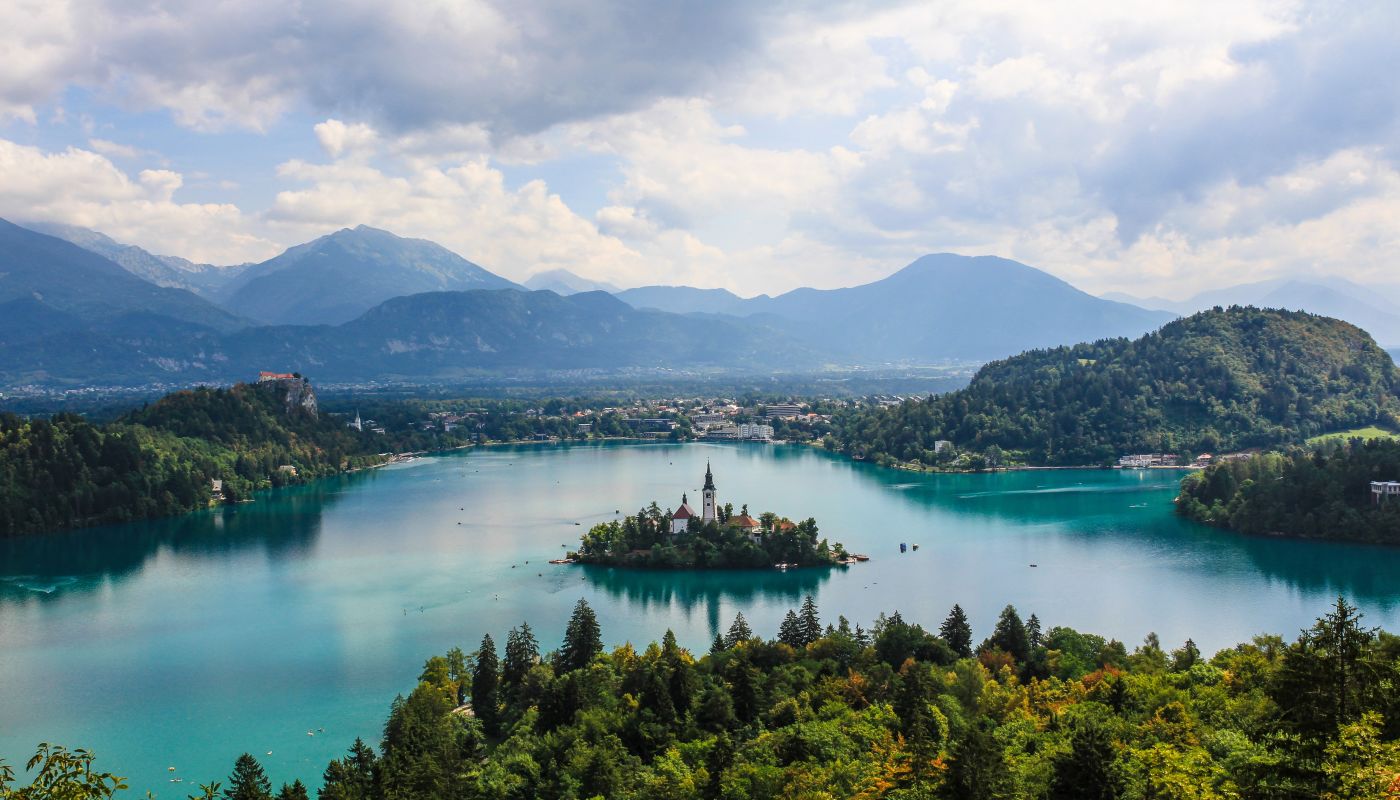
Landscape of Slovenia
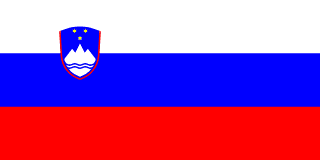
Flag of Slovenia

Slovenia

Europe

With a population of just over 2 million people, Slovenia is one of the wealthiest and most prosperous countries in the European Union. The country's economy is based on manufacturing, services, and natural resources, and it has made significant progress in areas such as healthcare, education, and environmental conservation. Slovenia faces challenges related to demographic changes, political polarization, and economic sustainability, and is making changes to address these issues.

What would you like to learn about in Slovenia?

Select a section to explore the country where nonprofits are creating positive change.

About Slovenia

The Slovene lands were part of the Austro-Hungarian Empire until the latter's dissolution at the end of World War I. In 1918, the Slovenes joined the Serbs and Croats in forming a new multinational state, which was named Yugoslavia in 1929. After World War II, Slovenia became a republic of the renewed Yugoslavia, which though communist, distanced itself from Moscow's rule. Dissatisfied with the exercise of power by the majority Serbs, the Slovenes succeeded in establishing their independence in 1991 after a short 10-day war. Historical ties to Western Europe, a strong economy, and a stable democracy have assisted in Slovenia's transformation to a modern state. Slovenia acceded to both NATO and the EU in the spring of 2004; it joined the eurozone in 2007.

Quick Facts

Population
1,992,690 (July 2013 est.)
Area
20,273 sq km
ISO Code
SI
Continent
Europe
Government
parliamentary republic
Active Causes
12
View all countries in Europe

Geography & Environment

Climate

Mediterranean climate on the coast, continental climate with mild to hot summers and cold winters in the plateaus and valleys to the east

Terrain

a short coastal strip on the Adriatic, an alpine mountain region adjacent to Italy and Austria, mixed mountains and valleys with numerous rivers to the east

Natural Resources

lignite coal, lead, zinc, building stone, hydropower, forests

Environmental Issues

Sava River polluted with domestic and industrial waste; pollution of coastal waters with heavy metals and toxic chemicals; forest damage near Koper from air pollution (originating at metallurgical and...

People & Society

77.66 years
Avg. Life Expectancy
99.7%
Literacy Rate
50% of total population (2010)
Total Urban Population

Languages

Slovenian (official) 91.1%, Serbo-Croatian 4.5%, other or unspecified 4.4%, Italian (official, only in municipalities where Italian national communiti...

Religions

Catholic 57.8%, Muslim 2.4%, Orthodox 2.3%, other Christian 0.9%, unaffiliated 3.5%, other or unspecified 23%, none 10.1% (2002 census)

Health Expenditure

9.4% of GDP (2010) of GDP

Education Expenditure

5.7% of GDP (2009) of GDP

Economy

$28,700
GDP per Capita (PPP)
12%
Unemployment Rate
13.6% (2011)
Below Poverty Line

Economic Overview

Slovenia became the first 2004 European Union entrant to adopt the euro (on 1 January 2007) and has experienced one of the most stable political and economic transitions in Central and Southeastern Europe. With the highest per capita GDP in Central Europe, Slovenia has excellent infrastructure, a well-educated work force, and a strategic location between the Balkans and Western Europe. Privatization has lagged since 2002, and the economy has one of the highest levels of state control in the EU. Structural reforms to improve the business environment have allowed for somewhat greater foreign par...

Causes in Slovenia

Environment

Slovenia, a small yet biodiverse country in Central Europe, is profoundly influenced by its environment. With over half of its land covered in forests and a significant portion designated as protected natural areas, Slovenia's economy and quality of life are closely tied to its natural surroundings. The country's rich biodiversity, including diverse ecosystems and abundant wildlife, is not only a source of pride but also a vital economic asset through activities such as ecotourism and agriculture. However, Slovenia faces environmental challenges such as deforestation, air and water pollution, and climate change impacts, which threaten its ecosystems and human health. The preservation of Slovenia's environment is crucial for sustaining its unique natural heritage and ensuring a healthy future for its population.

Family

Family holds significant importance in Slovenian culture, serving as the cornerstone of society and shaping individuals' identities and values. In Slovenia, family ties are traditionally strong, with multigenerational households being common. The concept of family extends beyond immediate relatives to include close friends and neighbors, creating a strong sense of community. Families in Slovenia typically provide emotional support, financial assistance, and care for their members throughout their lives. The emphasis on family cohesion is reflected in various cultural practices, such as celebrating important life events together and maintaining close relationships with extended family members. Furthermore, family plays a crucial role in preserving Slovenian traditions and passing down cultural heritage to future generations.

Human Rights

Slovenia, a country located in Central Europe, has made significant strides in upholding human rights within its borders. The nation is a signatory to various international conventions and treaties that promote and protect human rights, including the European Convention on Human Rights and the International Covenant on Civil and Political Rights. Despite these commitments, challenges persist in Slovenia, particularly in ensuring the rights of marginalized groups such as the Roma community and migrant populations. Discrimination based on ethnicity, gender, sexual orientation, and disability remains a concern, highlighting the need for continued efforts to combat discrimination and promote equality for all individuals in Slovenian society. By addressing these issues and strengthening human rights protections, Slovenia can further advance as a democratic and inclusive society.

Education

In Slovenia, education plays a crucial role in shaping the country's social and economic landscape. The education system in Slovenia is characterized by its comprehensive approach, providing students with a strong foundation in various disciplines. With a focus on fostering critical thinking, creativity, and innovation, Slovenian schools aim to equip students with the necessary skills to thrive in a rapidly changing world. Education is seen as a key driver of social mobility and economic success in Slovenia, with higher levels of education correlating strongly with better employment opportunities and higher incomes. Additionally, education in Slovenia is closely linked to the country's efforts to promote sustainable development and environmental conservation, instilling values of responsibility and stewardship among its citizens.

Poverty

Slovenia, a small European country known for its picturesque landscapes and rich cultural heritage, is not immune to the challenges of poverty. Despite being one of the more prosperous nations in the region, poverty remains a pressing issue for a segment of the population. Factors such as high unemployment rates, particularly in rural areas, inadequate social welfare systems, and disparities in income distribution contribute to the prevalence of poverty in Slovenia. The impact of poverty can be seen in various aspects of life, including limited access to education and healthcare, inadequate housing conditions, and heightened vulnerability to social exclusion. Addressing poverty in Slovenia requires a comprehensive approach that encompasses social policies, economic development strategies, and efforts to promote equal opportunities for all residents.

Religion

Slovenia, a small but culturally rich European country, is known for its diverse religious landscape that has played a significant role in shaping its society. The majority of Slovenians identify as Roman Catholic, with the Catholic Church deeply embedded in the country's history and traditions. However, Slovenia also boasts a mix of other religious affiliations, including Eastern Orthodox Christianity, Islam, and Protestantism. The influence of religion in Slovenia extends beyond personal beliefs to impact social practices, cultural events, and political discourse. Religious holidays are widely celebrated, and architectural landmarks such as churches and mosques dot the landscape, serving as symbols of faith and heritage. Despite the historical significance of religion in Slovenia, the country embraces a secular approach to governance, ensuring freedom of religion and belief for all citizens.

Clean Water

Slovenia, a Central European country known for its stunning natural landscapes and rich biodiversity, heavily relies on clean water sources for various aspects of its economy and society. The abundance of rivers, lakes, and underground water reservoirs in Slovenia play a crucial role in supporting agriculture, tourism, and industry. However, the country faces challenges such as pollution from agricultural run-off, inadequate wastewater treatment, and water scarcity due to climate change impacts. Ensuring access to clean water is not only vital for the health and well-being of Slovenia's population but also essential for safeguarding its ecosystems and maintaining a sustainable economy. Increased efforts in water management, pollution control measures, and conservation practices are imperative to preserve Slovenia's water resources for current and future generations.

Economy

Slovenia, a small European country nestled between Italy, Austria, Hungary, and Croatia, exhibits a robust and diverse economy that significantly influences its social fabric and overall well-being. As a member of the European Union and the Eurozone, Slovenia has enjoyed steady economic growth, driven primarily by its strong manufacturing sector, particularly in automotive and pharmaceutical industries. However, the country faces challenges such as an aging population, brain drain, and a high level of public debt, which can impact its economic stability in the long run. Furthermore, Slovenia's economy is closely tied to global economic trends, making it vulnerable to external shocks such as financial crises or trade disruptions. It is crucial for policymakers and stakeholders in Slovenia to address these challenges proactively to ensure sustainable economic growth and prosperity for its citizens.

Government

Slovenia, a central European country with a population of approximately 2 million people, has a government system that significantly influences various aspects of its society. The Slovenian government, operating as a parliamentary representative democratic republic, plays a crucial role in shaping the country's political, economic, and social landscapes. Its policies and decisions impact areas such as healthcare, education, infrastructure, and environmental protection. The government also plays a key role in regulating industries, promoting economic development, and ensuring social welfare for its citizens. By understanding the functions and impact of the Slovenian government, individuals can gain insight into the complexities of governance in this nation and appreciate the importance of civic engagement and participation in shaping its future.

Health

Slovenia, a country nestled in Central Europe, faces various health challenges that significantly impact its population. One of the pressing concerns is the rising prevalence of non-communicable diseases, such as cardiovascular diseases, cancer, and diabetes. These conditions not only impose a heavy burden on the healthcare system but also lead to significant mortality rates among Slovenians. The country also grapples with issues related to mental health, with increasing levels of stress, anxiety, and depression reported across different age groups. Furthermore, lifestyle factors like smoking, unhealthy diet choices, and physical inactivity contribute to the overall health status of the Slovenian population. Addressing these health issues requires a comprehensive approach that encompasses preventive measures, access to quality healthcare services, and promoting healthy lifestyle behaviors among individuals. By raising awareness about these health challenges, stakeholders can work towards implementing effective strategies to improve the well-being of the people in Slovenia.

Children

In Slovenia, children face various challenges that impact their well-being and development. One significant issue is poverty, which affects approximately 14% of children in the country. Poverty can lead to inadequate access to education, healthcare, and nutrition, hindering children's overall growth and potential. Additionally, family breakdowns, substance abuse, and domestic violence can also have a detrimental impact on children in Slovenia. These adverse experiences can result in long-term emotional and psychological effects, affecting their future prospects and quality of life. It is crucial for society to address these challenges and provide support systems to ensure the well-being of children in Slovenia. Source: - Eurostat: https://ec.europa.eu/eurostat/data/database

Animals

Slovenia, a country known for its stunning natural landscapes and rich biodiversity, is deeply impacted by the well-being of its animal population. Animals in Slovenia play a crucial role in maintaining the delicate ecological balance of the region, as they are essential to the health of its forests, rivers, and meadows. The country's diverse wildlife, including species like brown bears, lynxes, and chamois, face numerous threats such as habitat loss, poaching, and climate change. Conservation efforts in Slovenia are vital to safeguarding these animals and preserving the country's unique natural heritage for future generations. By raising awareness about the importance of protecting Slovenia's wildlife, we can contribute to ensuring a sustainable future for both animals and humans alike.

Nonprofits Working in Slovenia

Discover organizations making a difference in Slovenia

Make Your Impact Today

Discover causes you care about and support the nonprofits making a difference in communities around the world.

Are you a nonprofit? Join Project World Impact for free

Join Us Free