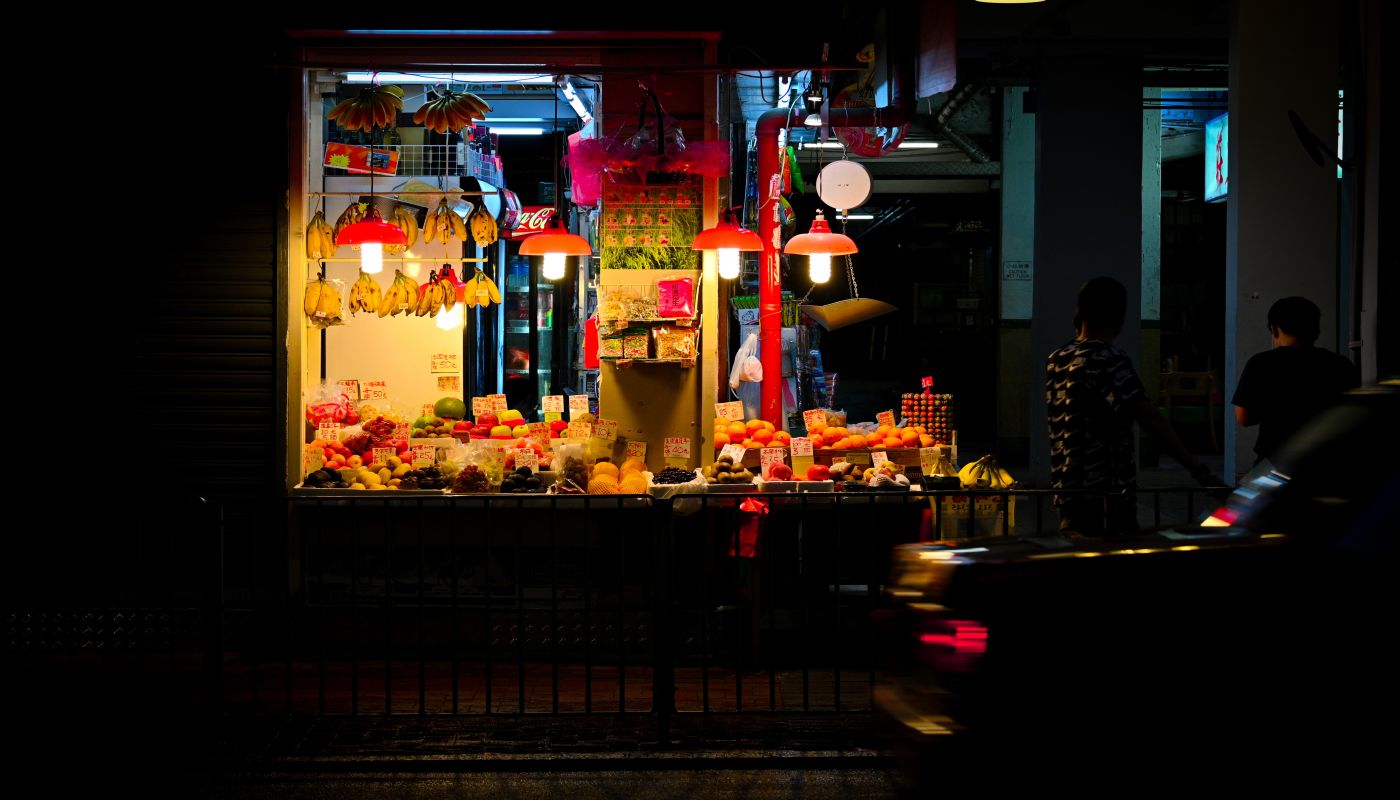
Landscape of Hong Kong
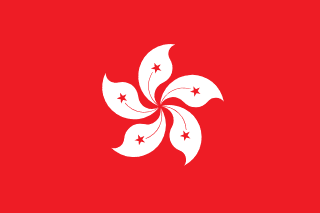
Flag of Hong Kong

Hong Kong

Asia

Hong Kong is a dynamic and vibrant country that captivates visitors with its unique blend of Eastern and Western cultures and has a population of over 7.5 million people. It is a major financial hub, with a thriving economy that is driven by a dynamic and entrepreneurial workforce. Beyond the political sphere, Hong Kong is also known for its culinary scene, shopping, and entertainment options. Aside from political tensions, Hong Kong continues to be a popular destination for tourists and expats alike. The city's economy is strong and diverse, with a particular focus on finance, logistics, and tourism. Its residents enjoy a high standard of living, and the city is known for its excellent healthcare and education systems.


What would you like to learn about in Hong Kong?

Select a section to explore the country where nonprofits are creating positive change.

About Hong Kong

Hong Kong is a dynamic and vibrant country that captivates visitors with its unique blend of Eastern and Western cultures and has a population of over 7.5 million people. It is a major financial hub, with a thriving economy that is driven by a dynamic and entrepreneurial workforce. Beyond the political sphere, Hong Kong is also known for its culinary scene, shopping, and entertainment options. Aside from political tensions, Hong Kong continues to be a popular destination for tourists and expats alike. The city's economy is strong and diverse, with a particular focus on finance, logistics, and tourism. Its residents enjoy a high standard of living, and the city is known for its excellent healthcare and education systems.

Causes in Hong Kong

Environment

Hong Kong, a densely populated city known for its bustling urban landscape, faces significant environmental challenges that impact its residents and ecosystem. The city's rapid industrialization and urban development have led to high levels of air pollution, water contamination, and waste generation. The air quality in Hong Kong is often poor, with high concentrations of pollutants such as nitrogen dioxide and particulate matter posing health risks to the population. Water pollution is also a pressing issue, as industrial activities and improper waste disposal have led to contamination of rivers and coastal areas. Additionally, the excessive generation of waste has strained Hong Kong's landfills, exacerbating the city's waste management problem. To address these environmental issues, sustainable practices and policies must be implemented to protect the health and well-being of Hong Kong's residents and preserve its natural resources.

Family

In Hong Kong, the concept of family holds significant importance and deeply influences the social fabric of the society. Traditional values such as filial piety, respect for elders, and strong family bonds play a crucial role in shaping the lives of individuals in Hong Kong. Family structures in Hong Kong often revolve around multi-generational households where grandparents, parents, and children live together, fostering a sense of cohesion and support within the family unit. These close-knit family ties provide emotional security, financial stability, and a strong sense of identity for individuals in Hong Kong. Additionally, familial obligations and responsibilities are highly valued, with family members often prioritizing the needs of the collective over individual pursuits. The impact of family in Hong Kong extends beyond the household to influence various aspects of society, including education, career choices, and social interactions.

Human Rights

Hong Kong, a Special Administrative Region of China, has long been a focal point for human rights issues. The region's unique political status has led to concerns regarding freedom of expression, assembly, and autonomy. The controversial extradition bill proposed in 2019 sparked widespread protests, highlighting the challenges faced by Hong Kong in protecting human rights. The mass demonstrations and subsequent crackdown by authorities have raised international alarm and scrutiny over the erosion of civil liberties in the region. Human rights organizations continue to monitor the situation closely to ensure that the people of Hong Kong can enjoy their fundamental rights and freedoms.

Education

Education plays a crucial role in shaping the society and economy of Hong Kong. The education system in Hong Kong is known for its high quality and emphasis on academic excellence. With a focus on critical thinking, creativity, and innovation, Hong Kong's education system aims to equip students with the skills needed to thrive in a competitive global economy. However, despite the strengths of its education system, issues such as high levels of academic pressure, inequality in access to quality education, and lack of support for students with diverse learning needs remain prevalent. Addressing these challenges is essential to ensure that all individuals in Hong Kong have equal opportunities to receive a quality education and contribute meaningfully to society.

Poverty

In Hong Kong, poverty remains a pressing issue despite its status as a developed financial hub. The high cost of living coupled with income inequality has led to a significant portion of the population living below the poverty line. Factors contributing to this situation include unaffordable housing, limited social welfare support, and a lack of access to quality education and healthcare services for the marginalized communities. The impact of poverty in Hong Kong is multifaceted, affecting individuals' overall well-being, mental health, and access to opportunities for social mobility. It is crucial for policymakers and stakeholders to address these structural inequalities through targeted interventions and social policies to alleviate poverty and promote a more inclusive society.

Religion

Religion plays a significant role in the diverse cultural landscape of Hong Kong. With a population that practices various faiths including Buddhism, Taoism, Christianity, and Islam, religious beliefs and traditions are deeply ingrained in the daily lives of many residents. Temples, churches, and mosques dot the cityscape, serving as places of worship and community gathering. Religious festivals and ceremonies are celebrated with fervor, contributing to the rich tapestry of cultural heritage in Hong Kong. However, amidst this religious diversity, tensions can arise, particularly in relation to political issues and social values. Understanding the complexities of religious dynamics in Hong Kong is essential for fostering harmony and respect among different faith communities.

Clean Water

Hong Kong, a densely populated city known for its vibrant economy and rich cultural heritage, faces significant challenges in ensuring access to clean water for its residents. The quality of water in Hong Kong is influenced by a variety of factors, including rapid urbanization, industrial activities, and pollution from shipping and other sources. Contaminated water sources can lead to serious health issues for the population, including waterborne diseases and long-term health implications. Furthermore, clean water scarcity can have adverse effects on agriculture, industry, and overall economic development in the region. It is crucial for the government and stakeholders in Hong Kong to prioritize water quality management and invest in sustainable solutions to ensure access to clean and safe water for all residents.

Economy

Hong Kong, a Special Administrative Region of China, boasts a thriving economy driven by financial services, trade, and tourism. The region's economy is highly dependent on international trade and investment, making it vulnerable to global economic fluctuations. Hong Kong's economic prosperity has been instrumental in raising the standard of living for its residents, but it has also exacerbated income inequality and housing affordability issues. The city's economy is closely tied to that of mainland China, with any changes in China's economic policies affecting Hong Kong's economic landscape. Additionally, ongoing political tensions and the impact of the COVID-19 pandemic have further strained Hong Kong's economy, posing challenges for its future stability and growth.

Government

Hong Kong, a Special Administrative Region of China, is a vibrant and densely populated city that serves as a major financial hub in Asia. The Government of Hong Kong, led by the Chief Executive and Executive Council, plays a significant role in shaping the policies and regulations that govern the city. The government's impact on Hong Kong is far-reaching, influencing areas such as economic development, social welfare, education, healthcare, and infrastructure. One of the key issues facing Hong Kong is the ongoing debate over its relationship with the central government in Beijing. This has sparked widespread protests and political unrest in recent years, highlighting the complex dynamics at play between Hong Kong's government and its residents. It is crucial to understand these complexities to appreciate the challenges faced by Hong Kong as it navigates its unique position within China.

Health

Hong Kong is a densely populated city-state with a high standard of living and a well-developed healthcare system. However, the city faces several health challenges that impact its population. Air pollution, primarily from vehicle emissions and industrial activities, poses a significant threat to public health in Hong Kong. The poor air quality has been linked to respiratory diseases, cardiovascular problems, and even premature death among residents. Additionally, the fast-paced lifestyle and high levels of stress in Hong Kong contribute to mental health issues such as anxiety and depression. The lack of awareness and stigma surrounding mental health further exacerbate the problem. Addressing these health issues requires a multi-faceted approach involving government policies, public education campaigns, and community support systems to ensure the well-being of Hong Kong's population.

Children

In Hong Kong, children face various challenges that can significantly impact their well-being and development. One of the key issues affecting children in Hong Kong is the pressure to excel academically, leading to high levels of stress and mental health problems. The competitive education system and societal expectations place immense pressure on children to perform well in exams and extracurricular activities, often at the expense of their mental health. Furthermore, economic disparities in Hong Kong have resulted in a significant wealth gap, with many children living in poverty facing barriers to accessing quality education, healthcare, and other essential services. These challenges can have long-lasting effects on the physical, emotional, and cognitive development of children in Hong Kong, highlighting the need for greater support and resources to ensure their well-being.

Animals

Hong Kong, a vibrant city known for its bustling urban landscape, also faces significant challenges when it comes to the welfare of animals. The impact of animals in Hong Kong is multifaceted, with issues ranging from wildlife conservation to animal cruelty and overpopulation. The city's rapid urbanization has encroached upon natural habitats, threatening the survival of many indigenous species. Additionally, the rise in pet ownership has led to an increase in abandoned animals, straining animal shelters and resources. Despite efforts by local authorities and animal welfare organizations to address these issues through legislation and advocacy campaigns, more work is needed to ensure the well-being of animals in Hong Kong.

Nonprofits Working in Hong Kong

Discover organizations making a difference in Hong Kong

Handid Braille Services

Handid Braille Services

Handid Braille Services provides timely delivery of media (including braille transcriptions, tactile graphics, large print, and online resources) in soft or hard-copy, proofreading, consulting and research facilitating creation, preparation and production of media for visually-impaired readers, with a focus on public-facing organizations and institutions. But organizations that could and should be producing braille documents and accessible online media often don't consider it when planning and budgeting. This means that producing braille becomes an extra cost they did not consider, which unfortunately leads to uncertainty and hesitation. Handid Braille Services is a 501(c)(3) corporation that uses resources from your donations to reduce or remove costs to organizations for producing braille and accessible content, thereby increasing access to braille and accessible media for readers who are blind and low vision.

., Idaho

Make Your Impact Today

Discover causes you care about and support the nonprofits making a difference in communities around the world.

Are you a nonprofit? Join Project World Impact for free

Join Us Free